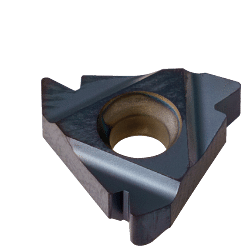
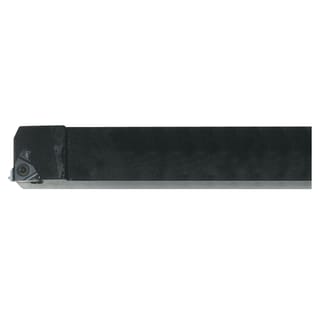
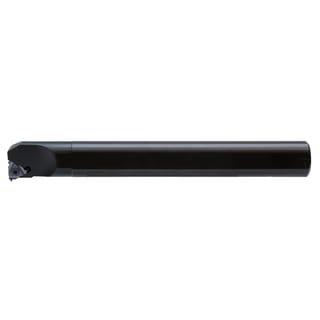
An introduction to threading inserts: an essential component for machine shops
Thread-cutting inserts are a fundamental component in the mechanical engineering sector. These elements, which are often underestimated, play a crucial role in ensuring the quality and durability of threads in mechanical components. In this article, we will explore in detail what threading inserts are, what they are used for, how they are used and what benefits they offer. We will also answer the most frequently asked questions on this topic.
Understanding threading inserts: definition and function
Thread inserts are cylindrical components, usually made of metal, which are inserted into an existing hole to create an internal thread. These inserts are designed to improve the strength and durability of threads, particularly in softer materials such as aluminium or magnesium, which may not be able to support a direct thread.
The main function of thread inserts is to provide a more robust and wear-resistant internal thread. This is particularly important in applications where threads are subject to frequent disassembly and reassembly, or where they are exposed to high loads.
Practical applications of thread inserts in engineering workshops
In engineering workshops, thread inserts are used across a wide range of sectors, from the automotive and aerospace industries to electronics and manufacturing. They are used to repair damaged threads, to reinforce threads in weak materials and to improve resistance to corrosion and wear.
A common example of their use is in repairing damaged threads in engine blocks. In such cases, a thread insert can restore the component’s functionality without the need to replace it entirely, saving both time and money.
Advantages of thread inserts: why choose them
The use of thread inserts offers numerous advantages. Firstly, they improve the strength of threads, reducing the risk of damage and extending the service life of components. Furthermore, they allow for the use of lighter and less expensive materials, without compromising the strength of the threads.
Another significant advantage is their ease of installation. Thread inserts can be fitted quickly using standard tools, making them a practical and efficient solution for engineering workshops.
How to install thread inserts correctly
Installing thread inserts requires precision and attention to detail. The process begins with preparing the hole, which must be clean and free of debris. Next, a tap is used to create a base thread in the hole, which will serve as a guide for the insert.
Once the hole has been prepared, the insert is screwed in using a specialised installation tool. It is important to ensure that the insert is fully seated and correctly aligned to guarantee a precise and reliable internal thread.
Types of threading inserts: choosing the right one for your application
There are various types of threading inserts, each designed for specific applications and materials. Helical inserts, for example, are ideal for applications requiring high strength, whilst spiral inserts are better suited to softer materials.
Choosing the right type of insert depends on various factors, including the material of the component, the type of load it will be subjected to and the operating environment. It is essential to select the appropriate insert to ensure optimum performance and longevity.
Maintenance and care of threading inserts
To ensure maximum efficiency and service life of threading inserts, regular maintenance is essential. This includes cleaning the threads to remove debris and contaminants, as well as periodic inspection to detect any signs of wear or damage.
In the event of damage, it is important to replace the insert as soon as possible to avoid further problems. Proper maintenance not only extends the life of the inserts but also helps to maintain the overall efficiency of machining operations.
Innovations and future trends in threading inserts
The threading insert sector is constantly evolving, with new technologies and materials continually improving performance and reliability. Recent innovations include inserts made from advanced composite materials, which offer superior strength and are lighter in weight.
Furthermore, automation and digitalisation are transforming the way threading inserts are designed and manufactured, making the process more efficient and precise. These trends promise to bring further improvements to the sector, offering increasingly advanced solutions for machine shops.
FAQs on threading inserts
What are threading inserts?
Thread inserts are cylindrical components used to create stronger internal threads in materials that might not be able to withstand direct threading.
What are the advantages of thread inserts?
The advantages include greater thread strength, the ability to use lighter materials and easy installation.
How are thread inserts installed?
Installation involves preparing the hole, creating a base thread and inserting the insert using a specialised tool.
What types of thread inserts are available?
There are various types, including helical and spiral inserts, each suited to specific applications and materials.
How do you choose the right thread insert?
The choice depends on the component material, the type of load and the operating environment.
Can threading inserts be reused?
Generally speaking, threading inserts are not designed to be reused, as removing them can damage them.
What materials are used for threading inserts?
Inserts are generally made of metal, but versions made from advanced composite materials are also available.
Can threading inserts improve corrosion resistance?
Yes, some inserts are designed to improve corrosion resistance, particularly in aggressive environments.
What are the common applications of thread inserts?
They are commonly used in the automotive, aerospace, electronics and manufacturing industries.
How are threading inserts maintained?
Maintenance involves cleaning the threads and carrying out regular inspections to check for signs of wear or damage.Read More Read Less