< Milling cutters High feed milling cutters and inserts
An introduction to high-feed milling cutters and inserts
In the world of machine shops, efficiency and precision are key factors in ensuring the quality of the final product and competitiveness in the market. Among the tools that play a crucial role in this context, high-feed milling cutters and inserts stand out for their ability to optimise machining processes. These tools are designed to operate at higher speeds than traditional milling cutters, enabling faster material removal and a high-quality surface finish. In this article, we will explore in detail what high-feed milling cutters and inserts are, what they are used for, how they are used, the advantages they offer, and we will answer the most frequently asked questions on this topic.
What are high-feed milling cutters and inserts?
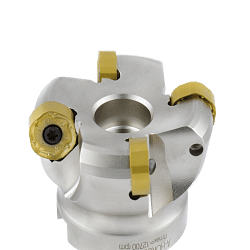
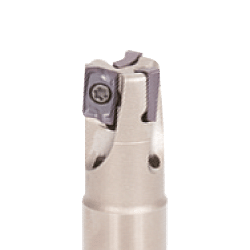
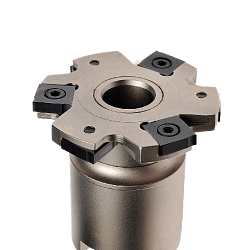
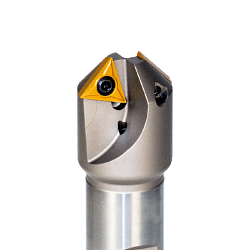
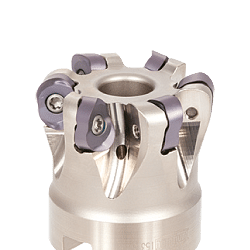
High-feed milling cutters and inserts are cutting tools used primarily in machining to remove material from a workpiece. These tools are characterised by a design that allows them to operate at very high feed rates, significantly reducing machining times. High-feed milling cutters are fitted with interchangeable inserts, which can be easily replaced when worn, thus ensuring a longer tool life and lower operating costs.
What are high-feed milling cutters and inserts used for?
High-feed milling cutters and inserts are used for a variety of applications in machine shops. They are particularly effective in roughing operations, where large amounts of material need to be removed quickly. Thanks to their ability to operate at high speeds, these tools are ideal for machining hard and tough materials, such as alloy steels and cast iron. Furthermore, high-feed milling cutters are also used in finishing operations, where a smooth, flawless surface is required.
How are high-feed milling cutters and inserts used?
Using high-feed milling cutters and inserts requires a thorough understanding of machining techniques and the features of the material being machined. Before starting the machining operation, it is essential to select the milling cutter and inserts best suited to the type of material and the specific operation to be carried out. Once the milling cutter has been fitted to the machine tool, it is important to set the cutting parameters correctly – such as feed rate and depth of cut – to ensure an efficient and safe operation. During machining, it is essential to constantly monitor the condition of the inserts and replace them when necessary to prevent damage to the workpiece and the machine.
Advantages of high-feed milling cutters and inserts
The use of high-feed milling cutters and inserts offers numerous advantages over traditional cutting tools. One of the main benefits is a reduction in machining times, thanks to the ability to operate at higher feed rates. This translates into increased productivity and lower operating costs. Furthermore, high-feed milling cutters ensure greater precision and a better surface finish, reducing the need for subsequent finishing operations. The ability to easily replace worn inserts helps to extend the tool’s service life and reduce maintenance costs.
Frequently asked questions about high-feed milling cutters and inserts
Which materials can be machined with high-feed milling cutters?
High-feed milling cutters are suitable for machining a wide range of materials, including alloy steels, cast iron, aluminium alloys and composite materials.
What is the difference between high-feed milling cutters and conventional milling cutters?
The main difference lies in the ability of high-feed milling cutters to operate at higher speeds, enabling faster material removal and greater efficiency.
How do you choose inserts for high-feed milling cutters?
The choice of inserts depends on the material to be machined and the type of operation to be carried out. It is important to select inserts with the correct degree of hardness and wear resistance.
What are the optimal cutting parameters for high-feed milling cutters?
The optimum cutting parameters vary depending on the material and the machine tool used. It is essential to consult the manufacturer’s specifications to set the feed rate and depth of cut correctly.
Are high-feed milling cutters suitable for precision machining?
Yes, thanks to their ability to deliver a high-quality surface finish, high-feed milling cutters are also suitable for precision machining.
What are the main economic benefits of high-feed milling cutters?
The main economic advantages include reduced machining times, increased productivity and lower maintenance costs thanks to the replacement of inserts.
How are high-feed milling cutters maintained?
Maintenance of high-feed milling cutters involves regular cleaning of the tools, checking the condition of the inserts and promptly replacing any worn ones.
What are the main applications of high-feed milling cutters?
The main applications include roughing and finishing operations on hard and tough materials, such as alloy steels and cast iron.
Can high-feed milling cutters be used on conventional machine tools?
Yes, high-feed milling cutters can be used on traditional machine tools, provided the cutting parameters are set correctly.
What are the future trends in the range of high-feed milling cutters?
Future trends include the development of advanced materials for inserts, the integration of digital technologies for performance monitoring, and the optimisation of machining processes.Read More Read Less