An introduction to compressors: the beating heart of mechanical workshops
In the world of mechanical workshops, compressors are a fundamental component for the operation of numerous industrial processes. These devices, known for their ability to compress air and other gases, are essential for powering a wide range of tools and machinery. Their importance is such that, without them, many day-to-day operations in workshops would be impossible to carry out. In this article, we will explore in detail what compressors are, what they are used for, how they are used and what benefits they offer.
What are compressors and how do they work?
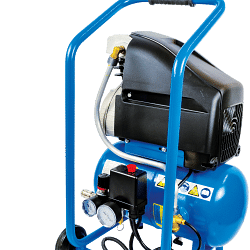
Compressors are machines designed to increase the pressure of a gas by reducing its volume. The operating principle is based on Boyle’s law, which states that the volume of a gas is inversely proportional to its pressure at a constant temperature. There are various types of compressors, including piston, screw, centrifugal and scroll compressors, each with specific features that make them suitable for particular applications.
Piston compressors, for example, use a cylinder and a piston to compress air, whilst screw compressors employ two intermeshing screw rotors to reduce the volume of the gas. Centrifugal compressors, on the other hand, use a rotating impeller to accelerate the gas and increase its pressure, whilst scroll compressors use two interlocking spirals to compress the gas.
Applications of compressors in mechanical workshops
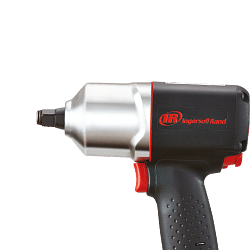
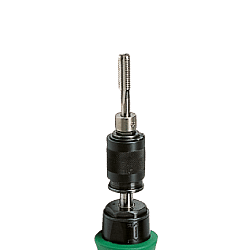
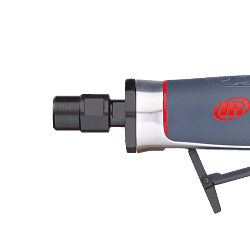
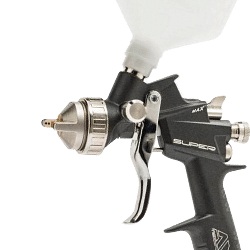
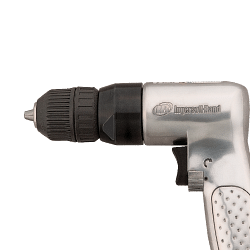
In mechanical workshops, compressors are used in a wide range of applications. They are used to power pneumatic tools such as drills, impact wrenches and grinders, which require a constant flow of compressed air to operate effectively. Furthermore, compressors are essential for the operation of spray painting systems, where compressed air is needed to atomise the paint and apply it evenly to surfaces.
Another common use for compressors is in tyre inflation, where the ability to generate high-pressure air is crucial for ensuring correct tyre pressure, thereby improving the vehicle’s safety and efficiency. Furthermore, compressors are used in cooling and air-conditioning systems, where compressed air is used to transfer heat and maintain optimal temperatures.
Advantages of using compressors in mechanical workshops
The use of compressors in mechanical workshops offers numerous advantages. Firstly, compressed air is a clean and safe energy source, reducing the risk of fires and explosions compared to the use of fossil fuels. Furthermore, compressors are extremely versatile and can be used to power a wide range of tools and machinery, making them an ideal solution for workshops requiring operational flexibility.
Another significant advantage is energy efficiency. Modern compressors are designed to be highly efficient, reducing energy consumption and operating costs. Furthermore, compressor maintenance is relatively straightforward, with many models requiring only periodic checks and the replacement of worn parts.
How to choose the right compressor for your workshop
Choosing the right compressor for your workshop depends on several factors, including the type of applications it will be used for, the amount of compressed air required and the space available. It is important to consider the required air flow rate, expressed in litres per minute (L/min) or cubic feet per minute (CFM), to ensure that the compressor can meet your operational needs.
Furthermore, it is essential to assess the required operating pressure, expressed in bar or psi, to ensure that the compressor can provide the necessary power to drive tools and machinery. Other factors to consider include noise levels, energy efficiency and ease of maintenance.
Compressor maintenance and safety
Regular maintenance of compressors is essential to ensure they operate optimally and to extend their service life. Maintenance tasks include cleaning the air filters, checking oil levels and replacing worn seals. It is important to follow the manufacturer’s maintenance recommendations and to use only genuine spare parts to avoid compatibility issues.
Safety is another crucial aspect of compressor use. It is vital to follow safety guidelines, such as avoiding overloading the compressor, using personal protective equipment and ensuring that all connections are secure and free from leaks. Furthermore, it is important to position the compressor in a well-ventilated area to prevent heat build-up and ensure safe operation.
Innovations and future trends in compressors
The compressor sector is constantly evolving, with new technologies and innovations improving efficiency and performance. One emerging trend is the use of variable-speed compressors, which automatically adjust the motor speed according to compressed air demand, reducing energy consumption and operating costs.
Furthermore, the integration of digital and IoT technologies into compressors is opening up new possibilities for remote monitoring and management. These technologies enable real-time monitoring of compressor performance, the detection of faults and the planning of preventive maintenance, thereby improving reliability and reducing downtime.
Conclusion: the irreplaceable role of compressors in mechanical workshops
In conclusion, compressors are indispensable tools in mechanical workshops, providing a clean, safe and efficient source of energy for a wide range of applications. Their versatility and reliability make them an ideal choice for workshops seeking to optimise operations and improve productivity. As technologies evolve and new trends emerge, compressors will continue to play a crucial role in the future of mechanical workshops.
FAQs on compressors
What are the main types of compressors used in mechanical workshops?
The main types of compressors used in mechanical workshops are piston, screw, centrifugal and scroll compressors.
How is a compressor’s capacity determined?
A compressor’s capacity is determined by the required air flow rate, expressed in litres per minute (L/min) or cubic feet per minute (CFM).
What are the advantages of variable-speed compressors?
Variable-speed compressors offer advantages such as reduced energy consumption and lower operating costs, thanks to automatic adjustment of the motor speed.
How do you maintain a compressor?
Compressor maintenance includes cleaning the air filters, checking oil levels and replacing worn seals.
What safety measures should be taken when using compressors?
Safety measures include avoiding overloading the compressor, using personal protective equipment and ensuring connections are secure and leak-free.
Why is energy efficiency important in compressors?
Energy efficiency in compressors is important for reducing energy consumption, operating costs and environmental impact.
How does IoT technology affect compressors?
IoT technology enables the remote monitoring and management of compressors, improving reliability and reducing downtime.
What are the common applications of compressors in mechanical workshops?
Common applications include powering pneumatic tools, spray painting systems and tyre inflation.
How do you choose the right compressor for your workshop?
To choose the right compressor, consider the required air flow rate, operating pressure, noise level and energy efficiency.
What are the future trends in the compressor sector?
Future trends include the use of variable-speed compressors and the integration of digital and IoT technologies for remote monitoring and management.Read More Read Less