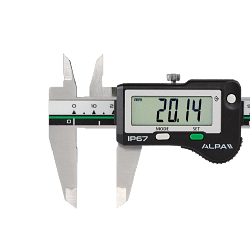
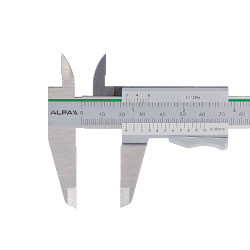
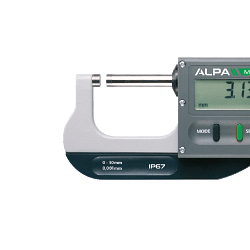
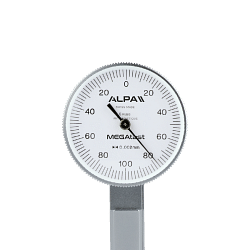
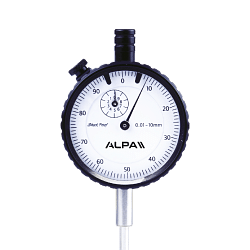
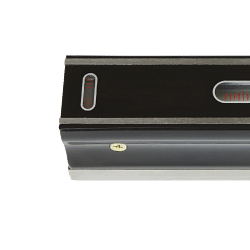
An introduction to zeroing and centring tools: essential tools for mechanical workshops
In the world of mechanical workshops, precision is crucial to ensuring the quality and efficiency of production processes. Zeroing and centring tools are fundamental instruments that enable flawless results, minimising errors and optimising processing times. In this in-depth guide, we will explore in detail what zeroing and centring tools are, what they are used for, how to use them and what benefits they offer. We will also answer the most frequently asked questions about these indispensable tools.
What are zeroing and centring devices?
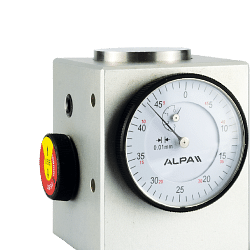
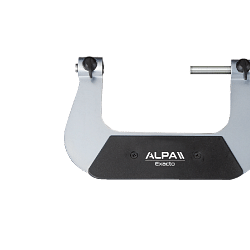
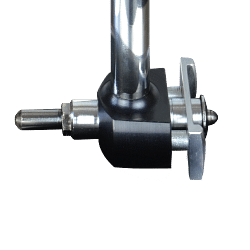
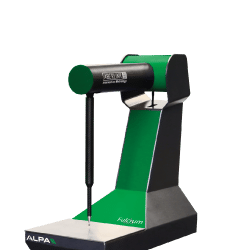
Zeroing and centring devices are tools used in machine shops to ensure the correct positioning and alignment of workpieces. These tools are designed to set the coordinates of a workpiece relative to a reference point, usually the centre of the machine tool. This ensures that subsequent machining operations are carried out with the greatest possible precision.
Zeroing devices are generally used to set the zero point of a workpiece, whilst centring devices ensure that the workpiece is perfectly aligned with the machine’s axis. Both tools are essential for achieving high-quality machining and minimising scrap.
What are zeroing devices and centring devices used for?
Zeroing and centring devices play a fundamental role in ensuring the precision of machining operations. Their main function is to establish a precise reference point for cutting, drilling, milling and turning operations. Without correct zeroing and centring, machining operations may be inaccurate, leading to errors that can compromise the quality of the final product.
Furthermore, the use of zeroing and centring devices reduces machine tool set-up times, improving the overall efficiency of the production process. Thanks to these tools, operators can quickly and accurately set machining parameters, minimising downtime and increasing productivity.
How are zeroing and centring devices used?
Using zeroing and centring devices requires a certain level of technical expertise and a good understanding of machine tools. However, with the right training and practice, operators can quickly master these techniques and achieve excellent results.
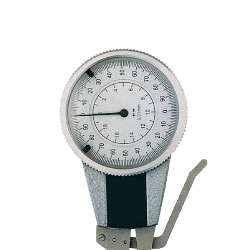
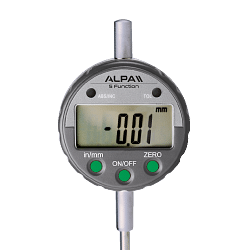
To use a zeroing device, the operator must position the device on the workpiece and adjust the machine tool’s coordinates until the zeroing device’s display indicates that the workpiece is aligned with the desired zero point. This process may vary slightly depending on the type of zeroing device used, but the basic principle remains the same.
Centring devices, on the other hand, are used to ensure that the workpiece is perfectly aligned with the machine’s axis. The operator must position the centring device on the workpiece and adjust its position until the device indicates that the workpiece is correctly centred. Again, the process may vary depending on the type of centring device used, but the ultimate goal is always to achieve perfect alignment.
Advantages of using zeroing devices and centring devices
The use of zeroing devices and centring devices offers numerous advantages for machine shops. Firstly, these tools ensure superior machining precision, minimising errors and improving the quality of the final product. Furthermore, the use of zeroing and centring devices reduces machine tool set-up times, increasing the overall efficiency of the production process.
Another significant advantage is the reduction in scrap. Thanks to the precision provided by zeroing and centring devices, machining is more accurate, reducing the need for rework and scrap. This translates into savings in time and resources, helping to improve the workshop’s profitability.
Finally, the use of zeroing and centring devices can help improve workplace safety. Thanks to the precision and reliability of these tools, operators can work with greater peace of mind, reducing the risk of accidents and injuries.
FAQs on zeroing and centring tools
What is the difference between a zeroing device and a centring device?
Zeroing devices are used to set the zero point of a workpiece, whilst centring devices ensure that the workpiece is perfectly aligned with the machine’s axis.
How do you choose the right zeroing device for your workshop?
The choice of zeroing device depends on the specific needs of the workshop, the type of machining carried out and the features of the machine tools used.
What are the main types of centring devices available on the market?
There are various types of centring devices, including optical, mechanical and electronic centring devices, each with specific features and applications.
Can zeroing devices and centring devices be used on any type of machine tool?
Yes, zeroing devices and centring devices are designed to be compatible with most machine tools, but it is important to check compatibility with your specific model.
What are the main advantages of using zeroing and centring devices?
The main advantages include greater machining precision, reduced set-up times, lower scrap rates and improved workplace safety.
How are zeroing and centring devices maintained?
Maintenance of zeroing and centring devices involves regular cleaning, checking calibrations and, if necessary, replacing worn parts.
What are the signs that a zeroing device or centring device needs replacing?
Signs of wear, measurement inaccuracies and malfunctions are indicators that the zeroing or centring device may need replacing.
Is it possible to automate the zeroing and centring process?
Yes, there are automated systems that integrate zeroing and centring devices to simplify and speed up the machine tool setup process.
What are the best practices for using zeroing and centring devices?
Best practices include proper operator training, regular maintenance of the tools, and the adoption of standardised procedures for zeroing and centring.
How does the use of zeroing and centring devices affect the quality of the final product?
The use of zeroing and centring devices ensures greater precision in machining, improving the quality of the final product and reducing the need for rework.Read More Read Less