< Measuring and precision tools Thickness gauges
An introduction to thickness gauges: essential tools for the mechanical engineering industry
Thickness gauges are fundamental tools in the mechanical engineering sector, used to accurately measure the thickness of materials and coatings. These devices are essential for ensuring the quality and safety of finished products, helping to maintain high production standards. In this article, we will explore in detail what thickness gauges are, how they work, their advantages and their practical applications in an industrial context.
Understanding how thickness gauges work
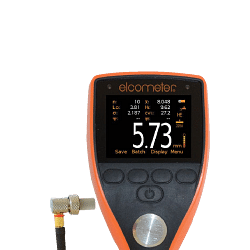
Thickness gauges operate according to physical principles that vary depending on the type of instrument. The most common models include ultrasonic, magnetic and electronic thickness gauges. Ultrasonic thickness gauges use sound waves to determine the thickness of a material, whilst magnetic gauges measure changes in the magnetic field to detect the thickness of coatings on metal surfaces. Electronic thickness gauges, on the other hand, utilise advanced sensors to provide precise and reliable readings.
Practical applications of thickness gauges in engineering workshops
In mechanical workshops, thickness gauges are used in numerous production processes. They are used to check the thickness of paints, protective coatings and metallic materials. This checking is crucial to ensure that components meet the required technical specifications, preventing defects that could compromise the functionality and safety of the final products. Furthermore, thickness gauges are used in preventive maintenance, helping to identify wear and corrosion before they become problematic.
Advantages of using thickness gauges in industry
The use of thickness gauges in engineering workshops offers numerous advantages. Firstly, they improve measurement accuracy, reducing the margin of error and enhancing the quality of the final product. Furthermore, they save time and resources, as measurements can be taken quickly and easily. Thickness gauges also help to reduce material wastage, optimising the use of resources and improving the overall efficiency of the production process.
How to choose the right thickness gauge for your needs
Choosing the most suitable thickness gauge depends on several factors, including the type of material to be measured, the working environment and the specific requirements of the application. It is important to consider the required accuracy, ease of use and compatibility with the materials to be analysed. Furthermore, it is advisable to opt for high-quality instruments, produced by reliable brands, to ensure accurate and long-lasting results.
FAQs on thickness gauges
What are thickness gauges?
Thickness gauges are instruments used to measure the thickness of materials and coatings; they are essential for ensuring the quality of industrial products.
How do ultrasonic thickness gauges work?
Ultrasonic thickness gauges use sound waves to determine the thickness of a material by measuring the time it takes for the waves to travel through the material and back.
What are the advantages of magnetic thickness gauges?
Magnetic thickness gauges offer rapid, non-destructive measurements, ideal for coatings on metal surfaces, without damaging the underlying material.
What materials can be measured with thickness gauges?
Thickness gauges can measure a wide range of materials, including metals, plastics, paints and protective coatings.
How do you calibrate a thickness gauge?
Calibrating a thickness gauge varies depending on the model, but generally requires the use of reference samples with known thicknesses to ensure accurate measurements.
What are the industrial applications of thickness gauges?
Thickness gauges are used in sectors such as the automotive, aerospace, shipbuilding and mechanical engineering industries to ensure compliance with technical specifications.
Do thickness gauges require maintenance?
Yes, thickness gauges require regular maintenance to ensure measurement accuracy, including cleaning the sensors and checking the calibration.
What are the differences between digital and analogue thickness gauges?
Digital thickness gauges provide more accurate and easier-to-interpret readings than analogue models, which can be more prone to reading errors.
How do you choose between an ultrasonic and a magnetic thickness gauge?
The choice depends on the material being measured: ultrasonic thickness gauges are ideal for non-metallic materials, whilst magnetic ones are better suited to coatings on metals.
Can thickness gauges be used in harsh environments?
Yes, many thickness gauges are designed to withstand harsh environmental conditions, such as extreme temperatures and humidity, ensuring reliable performance in a variety of operating situations.Read More Read Less