< Measuring and precision tools Bore gauges
An introduction to bore gauges: essential tools for the mechanical engineering industry
Bore gauges are among the most crucial tools in the mechanical engineering sector. These precision instruments are designed to accurately measure the internal diameters of holes, ensuring that tolerances are met and that mechanical components function optimally. In this article, we will explore in detail what bore gauges are, how they are used, the benefits they offer, and answer the most frequently asked questions about these indispensable tools.
What are bore gauges and how do they work?
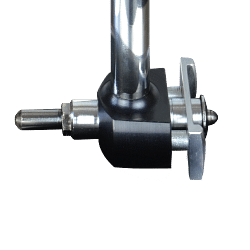
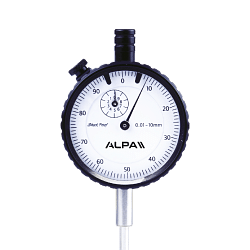
Bore gauges are measuring instruments used to determine the internal diameter of a bore with extreme precision. They consist of a graduated rod and a set of contacts that expand to fit the diameter of the bore. The reading is taken via a dial that displays the exact measurement. Bore gauges can be manual or digital, with the latter offering a more immediate and precise reading.
Applications of bore gauges in mechanical workshops
In mechanical workshops, bore gauges are used for a wide range of applications. They are essential for quality control, ensuring that manufactured components meet the required specifications. They are used in engine production, in the machining of hydraulic and pneumatic components, and in any other application where the precision of the internal diameter is crucial.
Advantages of using bore gauges
The use of bore gauges offers numerous advantages. Firstly, they guarantee high precision, reducing the margin of error in measurements. This translates into higher quality of the final product and a reduction in scrap. Furthermore, bore gauges are versatile tools, suitable for a wide range of diameters and materials. Their robustness and reliability make them ideal for use in industrial environments.
How to use a bore gauge correctly
Using a bore gauge correctly is essential for obtaining accurate measurements. First of all, it is important to calibrate the instrument according to the manufacturer’s specifications. During measurement, the bore gauge must be inserted into the hole evenly, avoiding any tilting that could affect the reading. It is advisable to take multiple measurements to ensure the accuracy of the results.
Maintenance and care of bore gauges
To keep bore gauges in perfect working order, regular maintenance is essential. After each use, the instrument must be cleaned to remove any machining residues. Furthermore, it is important to periodically check the calibration and replace worn contact tips. Storing bore gauges in a dry environment, protected from impact, will ensure the instrument has a long service life.
FAQs on bore gauges
What is the difference between a manual and a digital bore gauge?
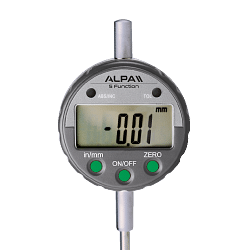
Manual bore gauges require a visual reading of the graduated scale, whilst digital ones provide an immediate reading on a display, reducing the risk of human error.
How do you calibrate a bore gauge?
A bore gauge is calibrated using standard calibration rings, adjusting the instrument until a correct reading is obtained.
What materials can be measured with a bore gauge?
Bore gauges can measure a wide range of materials, including metals, plastics and ceramics, provided the material is sufficiently rigid.
Can bore gauges be used to measure tapered holes?
No, bore gauges are designed to measure cylindrical holes. For tapered holes, specific measuring instruments are required.
What is the typical accuracy of a bore gauge?
The accuracy of a bore gauge can vary, but is generally in the order of a few microns, depending on the model and quality of the instrument.
Can a bore gauge be used to measure very small holes?
Yes, there are bore gauges specifically designed to measure small-diameter holes, but it is important to choose the model suitable for the size of the hole.
How do you maintain a bore gauge?
Maintenance includes regular cleaning, checking the calibration and replacing the contact tips when necessary.
Are bore gauges suitable for use in damp environments?
Bore gauges must be protected from moisture to prevent corrosion and damage. It is advisable to store them in a dry environment.
What are the leading brands of bore gauges?
There are several well-known brands, including Mitutoyo and Alpa, renowned for the quality and reliability of their instruments.
Is specific training required to use a bore gauge?
Although no formal training is required, it is advisable to familiarise yourself with the instrument and its instructions to ensure accurate measurements.Read More Read Less