< Measuring and precision tools Professional, digital dynamometers
An introduction to professional and digital torque wrenches
In the world of mechanical workshops, precision and reliability are fundamental to ensuring the quality of the work carried out. Among the essential tools for achieving these objectives, professional and digital torque wrenches play a key role. Thanks to their ability to measure forces and torques with extreme precision, these tools have become a benchmark for professionals in the sector. In this article, we will explore in detail what dynamometers are, what they are used for, how to use them and what advantages they offer. Furthermore, we will answer the most frequently asked questions to provide a comprehensive and in-depth overview.
What are professional and digital torque wrenches?
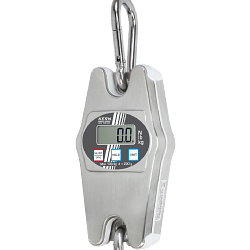
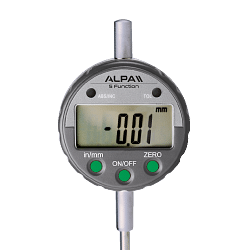
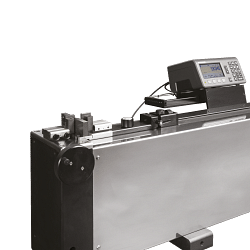
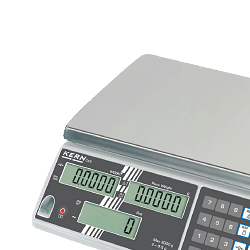
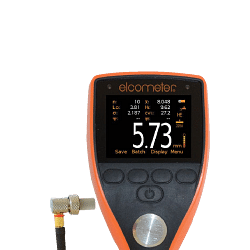
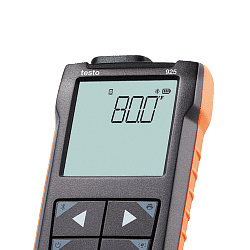
Dynamometers are measuring instruments used to determine the force or torque applied to an object. There are various types of dynamometers, but professional and digital ones are particularly valued for their precision and ease of use. Digital dynamometers, in particular, are equipped with an electronic display that allows the measured values to be read clearly and immediately. These instruments are designed to withstand demanding working conditions and are often used in industrial settings and mechanical workshops.
What are dynamometers used for in mechanical workshops?
In mechanical workshops, dynamometers are used for a wide range of applications. One of the main uses is the measurement of tightening torque, which is essential to ensure that bolts and screws are tightened correctly. Over-tightening or under-tightening can compromise the safety and efficiency of a mechanical component. Furthermore, torque wrenches are used to test material strength, check the quality of finished products and calibrate other measuring instruments. Their versatility makes them indispensable tools for any workshop wishing to maintain high quality standards.
How are professional and digital torque wrenches used?
Using professional and digital torque wrenches requires a certain level of technical expertise, but with the right instructions, even less experienced operators can achieve accurate results. First of all, it is important to select the torque wrench suitable for the specific application, taking into account the measurement range and the required accuracy. Once the instrument has been chosen, it must be calibrated correctly to ensure reliable measurements. During use, it is essential to apply force evenly and consistently, avoiding sudden movements that could affect the reading. Finally, it is advisable to carry out regular maintenance on the dynamometer to preserve its efficiency and longevity.
Advantages of digital dynamometers in industrial applications
The use of digital dynamometers in industrial applications offers numerous advantages. Firstly, the accuracy of digital measurements is superior to that of analogue instruments, reducing the margin of error and improving the quality of work. Furthermore, digital dynamometers are often equipped with advanced features, such as the ability to store measurement data and transfer it to a computer for further analysis. This allows production processes to be monitored and documented more efficiently. Another significant advantage is ease of use: digital displays are intuitive and allow values to be read quickly and accurately, reducing the risk of misinterpretation.
Frequently asked questions about professional and digital dynamometers
What is the difference between an analogue and a digital dynamometer?
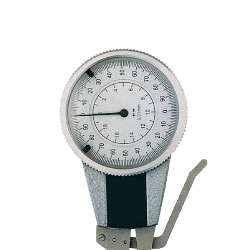
The main difference lies in the method of data display. Analogue dynamometers use a dial with a needle to indicate the measured force, whilst digital dynamometers show values on an electronic display, offering greater accuracy and ease of reading.
How do you calibrate a digital dynamometer?
Calibrating a digital dynamometer requires the use of standard weights or a certified test bench. It is important to follow the manufacturer’s instructions to ensure accurate and reliable calibration.
What are the most common applications of dynamometers in mechanical workshops?
The most common applications include measuring tightening torque, testing material strength and checking the quality of finished products.
Are digital torque wrenches suitable for all industrial applications?
Although digital torque meters are extremely versatile, it is important to select the right model based on the specific requirements of the application, taking into account factors such as the measurement range and the required accuracy.
What are the main advantages of digital dynamometers over analogue ones?
The main advantages include greater accuracy, the ability to store and transfer measurement data, and greater ease of use thanks to electronic displays.
How do you maintain a digital dynamometer?
Maintaining a digital dynamometer involves regularly cleaning the instrument, checking the calibration, and replacing the batteries when necessary. It is important to follow the manufacturer’s instructions to ensure the instrument has a long service life.
What are the measurement limits of a digital dynamometer?
The measurement limits vary depending on the model and manufacturer. It is important to choose a dynamometer with a measurement range suitable for the specific requirements of the application.
Can a digital dynamometer be used in harsh environments?
Many digital dynamometers are designed to withstand demanding working conditions, but it is important to check the product specifications to ensure it is suitable for the environment in which it will be used.
How do you interpret the data provided by a digital dynamometer?
The data provided by a digital dynamometer is generally displayed in standard units of measurement, such as Newtons or kilogram-force. It is important to understand the context of the application in order to interpret the results correctly.
What factors should be considered when choosing a digital dynamometer?
When choosing a digital dynamometer, it is important to consider the measurement range, accuracy, additional features and compatibility with the specific applications in the mechanical workshop.Read More Read Less