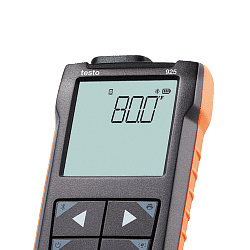
< Measuring and precision tools Thermometers and Thermohygrometers
An introduction to thermometers and thermo-hygrometers for mechanical workshops
In the context of mechanical workshops, the precision and reliability of measuring instruments are fundamental to ensuring the quality and safety of production processes. Among the most commonly used instruments, thermometers and thermo-hygrometers play a crucial role. These devices not only monitor temperature and humidity, but also help maintain optimal conditions for machine operation and material storage. In this in-depth guide, we will explore in detail what thermometers and thermo-hygrometers are, how they work, their advantages, and answers to frequently asked questions.
What are thermometers and thermo-hygrometers?
Thermometers are instruments designed to measure the temperature of an environment or an object. They can be digital or analogue and use different operating principles, such as the thermal expansion of liquids or electrical resistance. Thermo-hygrometers, on the other hand, are devices that measure both the temperature and the relative humidity of the air. These instruments combine the functions of a thermometer and a hygrometer, offering a comprehensive view of environmental conditions.
Use of thermometers and thermo-hygrometers in mechanical workshops
In mechanical workshops, thermometers and thermo-hygrometers are used to monitor environmental conditions that may affect production processes. For example, temperature and humidity can affect the viscosity of lubricants, the thermal expansion of materials and the precision of machining operations. Maintaining constant control over these parameters is essential to ensure the quality of finished products and the safety of operators.
Advantages of using thermometers and thermo-hygrometers
The use of thermometers and thermo-hygrometers in mechanical workshops offers numerous advantages. Firstly, it allows working conditions to be optimised, reducing the risk of errors and product defects. Furthermore, continuous monitoring of temperature and humidity helps prevent machine breakdowns and extends their service life. Finally, these instruments help improve energy efficiency, as they allow heating and cooling systems to be adjusted more precisely.
How to choose the right thermometer or thermo-hygrometer
Choosing the most suitable thermometer or thermo-hygrometer depends on the specific needs of the mechanical workshop. It is important to consider the required accuracy, the measurement range, ease of use and the robustness of the device. Furthermore, it is advisable to opt for instruments that offer additional features, such as data logging and wireless connectivity, to facilitate the monitoring and analysis of environmental conditions.
Maintenance and calibration of thermometers and thermo-hygrometers
To ensure the accuracy and reliability of thermometers and thermo-hygrometers, it is essential to carry out regular maintenance and periodic calibration. Maintenance includes cleaning the sensors and checking that the electronic components are functioning correctly. Calibration, on the other hand, involves comparing the device’s measurements against a reference standard to correct any deviations.
FAQs on thermometers and thermo-hygrometers
What is the difference between a digital and an analogue thermometer?
Digital thermometers provide more accurate readings and are generally easier to read than analogue thermometers, which use a pointer.
How do you calibrate a thermo-hygrometer?
A thermo-hygrometer can be calibrated using standard saline solutions for humidity and a reference thermometer for temperature.
What are the main types of sensors used in thermo-hygrometers?
Thermo-hygrometers use capacitive, resistive or dew-point sensors to measure relative humidity.
How often should thermometers and thermo-hygrometers be calibrated?
The frequency of calibration depends on usage and environmental conditions, but it is generally advisable to calibrate at least once a year.
Can thermo-hygrometers be used outdoors?
Yes, there are thermo-hygrometers designed for outdoor use, but it is important to ensure they are weatherproof.
What are the advantages of wireless thermo-hygrometers?
Wireless thermo-hygrometers offer the convenience of monitoring environmental conditions remotely and can be integrated into automation systems.
How does humidity affect metalworking?
Humidity can cause corrosion and oxidation of metals, affecting the quality of machining and the lifespan of tools.
What are the industrial applications of infrared thermometers?
Infrared thermometers are used to measure the temperature of hot or moving surfaces without direct contact.
How do you choose a thermo-hygrometer for high-humidity environments?
For high-humidity environments, it is important to choose a thermo-hygrometer with a humidity-resistant sensor and good protection against condensation.
What are the safety regulations for the use of thermometers and thermo-hygrometers in the workshop?
Safety regulations vary depending on the country and sector, but generally include requirements for the accuracy, calibration and maintenance of the instruments.Read More Read Less