< Measuring and precision tools Height gauge
An introduction to height gauge: essential tools for mechanical workshops
In the world of mechanical workshops, precision is paramount. The tools used must guarantee accurate and reliable measurements to ensure the quality of the work carried out. Among these tools, height gauge occupy a prominent place. But what exactly are surface gauges and why are they so important? In this article, we will explore in detail the function, use and advantages of these essential tools.
What are height gauge and how do they work
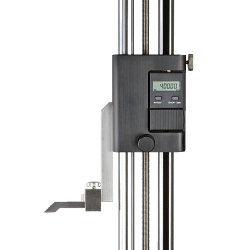
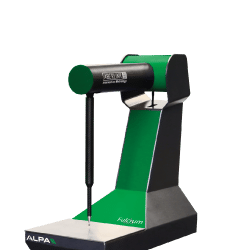
Surface gauges are measuring tools used primarily to mark straight lines on metal surfaces. They consist of a stable base and a vertical column on which an adjustable arm with a marking tip is mounted. The tip, usually made of tungsten carbide, is designed to score hard surfaces without losing its sharpness. The precision of the height gauge is vital to ensure that the marked lines are exactly where they should be, which is crucial for the subsequent cutting and machining of materials.
Use of height gauge in machine shops
In mechanical workshops, height gauge are used for a variety of applications. They are essential for marking workpieces, ensuring that cuts and drill holes are made with precision. Furthermore, height gauge are used to check the alignment and flatness of surfaces, helping to maintain high quality standards. Their versatility makes them an indispensable tool for any technician working with metals and other hard materials.
Advantages of using height gauge
Using surface gauges offers numerous advantages. Firstly, their precision helps minimise measurement errors, improving efficiency and the quality of the work. Furthermore, surface gauges are durable tools, designed to withstand wear and tear and maintain their functionality over time. This makes them a long-term investment for any mechanical workshop. Finally, their ease of use makes them accessible even to less experienced technicians, ensuring professional results in every application.
How to choose the right height gauge
Choosing the right height gauge depends on several factors, including the type of work to be carried out and the material to be worked on. It is important to consider the length of the marking arm, the quality of the tip and the stability of the base. Furthermore, some surface gauges offer additional features, such as the ability to adjust the marking angle or use interchangeable tips. Carefully evaluating these features can help you choose the tool best suited to your needs.
Maintenance and care of height gauge
To ensure the longevity and effectiveness of height gauge, regular maintenance is essential. After each use, it is advisable to clean the tool thoroughly to remove any material residue. Furthermore, the marking tip should be checked periodically to ensure it is sharp and undamaged. Storing surface gauges in a dry, protected place will help prevent corrosion and maintain their optimal performance.
Innovations in modern height gauge
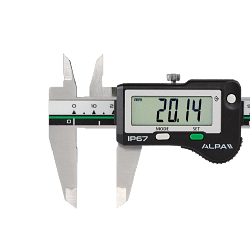
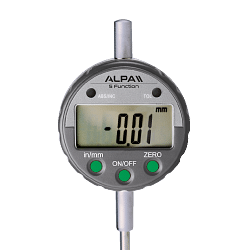
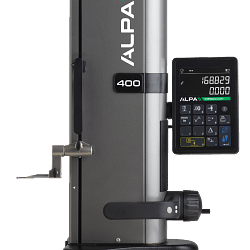
In recent years, surface gauges have undergone several innovations that have further improved their performance. Some modern models are equipped with digital displays that provide precise measurement readings, making technicians’ work easier. Other surface gauges offer wireless functionality, allowing data to be transferred directly to computers or mobile devices for more in-depth analysis. These innovations are transforming surface gauges into even more versatile and indispensable tools in mechanical workshops.
FAQs about height gauge
What are the most common materials used for the tips of height gauge?
Surface gauge tips are generally made from tungsten carbide or hardened steel, materials known for their hardness and wear resistance.
How do you calibrate a height gauge?
Calibrating a surface gauge requires the use of a precision reference block. The tip of the surface gauge must be adjusted until it touches the block without applying pressure.
Can height gauge be used on non-metallic materials?
Yes, surface gauges can be used on non-metallic materials such as plastic and wood, provided the tip is suitable for the specific material.
What is the difference between a manual height gauge and a digital height gauge?
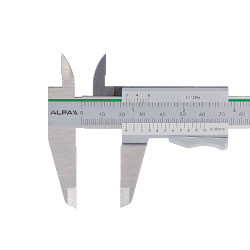
A manual height gauge requires visual reading of measurements, whilst a digital height gauge provides precise electronic readings on a display.
How do you keep a height gauge tip sharp?
The tip of a surface gauge can be sharpened using a sharpening stone or a dedicated sharpening machine, following the manufacturer’s instructions.
What are the standard sizes of height gauge?
Surface gauges are available in various sizes, with marking arm lengths generally ranging from 150 mm to 600 mm.
Can the tip of a height gauge be replaced?
Yes, many surface gauges have interchangeable tips and can be replaced when they become worn or damaged.
What are the most common applications of height gauge in mechanical workshops?
Surface gauges are commonly used for marking workpieces, checking alignment and measuring surface flatness.
How do you clean a height gauge properly?
A surface gauge should be cleaned with a soft, dry cloth to remove dust and residue, avoiding the use of aggressive solvents that could damage the instrument.
What are the advantages of a height gauge with a digital display?
A digital surface gauge offers more accurate and easier-to-interpret readings, reducing the risk of measurement errors and improving work efficiency.Read More Read Less