< Measuring and precision tools Gauge blocks
An introduction to shims: an essential component in mechanical workshops
In the world of mechanical workshops, accuracy and precision are fundamental to ensuring the quality of finished products. Reference blocks are one of the most crucial tools for achieving these objectives. These tools, which are often underestimated, are essential for dimensional control and the calibration of measuring instruments. In this article, we will explore in detail what reference blocks are, what they are used for, how they are used and what benefits they offer to mechanical workshops.
Understanding gauge blocks: definition and features
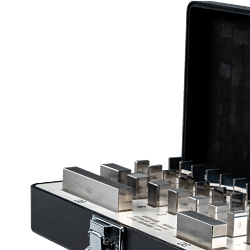
Reference blocks, also known as calibration blocks, are precision measuring instruments used to calibrate and verify the accuracy of other measuring instruments. They are made from highly resistant materials such as hardened steel, ceramic or tungsten carbide, which ensure a long service life and resistance to wear. Their surface is extremely smooth and flat, allowing perfect contact with the instruments to be calibrated.
Operation and use of reference blocks in mechanical workshops
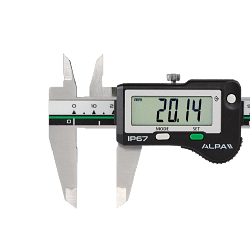
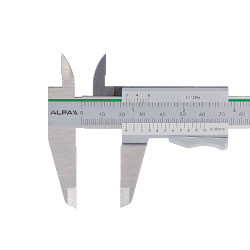
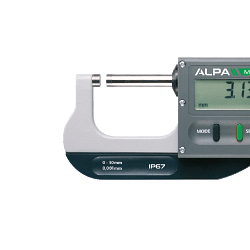
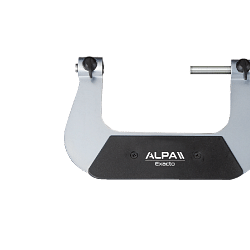
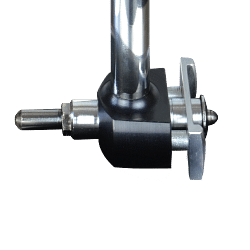
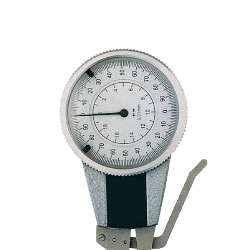
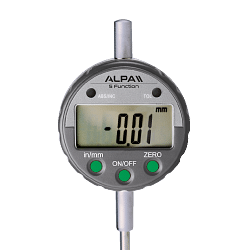
The use of reference blocks is essential for ensuring the accuracy of measuring instruments in mechanical workshops. These blocks are used to calibrate instruments such as calipers, micrometers and dial gauges. The calibration process involves comparing the measurements obtained from the instruments with the standard dimensions of the reference blocks. This comparison allows any deviations to be identified and the necessary adjustments to be made to ensure the accuracy of the instruments.
Advantages of using gauge blocks in mechanical workshops
The use of gauge blocks in mechanical workshops offers numerous advantages. Firstly, they ensure a high level of measurement accuracy, minimising errors and improving the quality of finished products. Furthermore, the regular use of reference blocks for calibrating measuring instruments helps to extend the service life of the instruments themselves, reducing the need for frequent and costly replacements. Finally, the accuracy provided by reference blocks enables workshops to meet the quality standards required by customers and industry regulations.
Maintenance and care of reference blocks
To ensure the longevity and effectiveness of gauge blocks, it is essential to adopt proper maintenance practices. After each use, the blocks must be cleaned thoroughly to remove any oil or dust residues that could compromise measurement accuracy. It is advisable to store the blocks in a dry, moisture-free environment to prevent corrosion. Furthermore, it is important to avoid knocks or drops that could damage the smooth surface of the blocks.
Selection of gauge blocks: criteria and considerations
The choice of the most suitable reference blocks for a mechanical workshop depends on several factors. It is important to consider the material from which the blocks are made, as different materials offer varying levels of strength and durability. Furthermore, it is essential to assess the precision required for measurements and select blocks with appropriate tolerances. Finally, it is advisable to opt for gauge blocks produced by reputable companies in the sector, which guarantee quality and reliability.
Integration of gauge blocks into quality processes
The integration of gauge blocks into a mechanical workshop’s quality control processes is a crucial step in ensuring compliance with industry standards. These tools can be used to verify the accuracy of measurements during production stages, ensuring that finished products meet the required specifications. Furthermore, the regular use of gauge blocks for calibrating measuring instruments helps to maintain a high level of quality and reduce the risk of product defects.
Innovations and future developments in gauge blocks
The gauge block sector is constantly evolving, with innovations aimed at further improving the accuracy and efficiency of these tools. Emerging trends include the adoption of advanced materials, such as tungsten carbide, which offer greater wear resistance and superior durability. Furthermore, the integration of digital technologies into calibration processes is opening up new possibilities for improving the accuracy and traceability of measurements.
Conclusions: the importance of gauge blocks in machine shops
In conclusion, gauge blocks are an indispensable tool for machine shops aiming to ensure precision and quality in their production processes. Their ability to calibrate and verify the accuracy of measuring instruments makes them a key element in quality control. Investing in high-quality reference blocks and adopting proper maintenance practices are essential steps to ensure the longevity and effectiveness of these tools.
FAQs on reference blocks
What are reference blocks?
Reference blocks are precision measuring instruments used to calibrate and verify the accuracy of other measuring instruments.
What materials are used for gauge blocks?
Gage blocks are made from materials such as hardened steel, ceramic and tungsten carbide.
How are gauge blocks used?
Gage blocks are used to calibrate measuring instruments by comparing their measurements with the standard dimensions of the blocks.
What are the benefits of using gauge blocks?
The advantages include greater measurement accuracy, extended instrument lifespan and compliance with quality standards.
How do you maintain gauge blocks?
It is important to clean them after each use, store them in a dry environment and protect them from knocks and drops.
What factors should be considered when choosing reference blocks?
Consider the material, the required accuracy and the manufacturer’s reputation.
How do gauge blocks improve quality control?
They allow you to verify the accuracy of measurements during production, ensuring compliance with the required specifications.
What innovations are there in gauge blocks?
Innovations include the use of advanced materials and the integration of digital technologies into calibration processes.
Why is it important to invest in high-quality gauge blocks?
To ensure accuracy, durability and compliance with industry standards.
How do gauge blocks contribute to the quality of finished products?
They ensure that measuring instruments are accurate, reducing the risk of defects in finished products.Read More Read Less