< Abrasives Diamond paste
An introduction to diamond pastes: an essential component for engineering workshops
Diamond pastes are a fundamental component in the mechanical engineering sector, thanks to their ability to improve the quality of machined surfaces. These abrasive compounds are used for polishing and finishing hard materials, such as metals and ceramics, delivering precise and uniform results. In this article, we will explore in detail what diamond pastes are, what they are used for, how they are used and what advantages they offer in the context of mechanical machining.
What are diamond pastes?
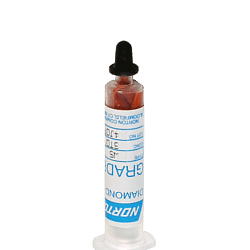
Diamond pastes are mixtures of diamond powder and a binder, usually oil- or grease-based, which form an abrasive compound. As diamond is the hardest known material, it gives these pastes a high cutting and polishing capacity. Diamond particles are available in different grain sizes, which determine the degree of finish that can be achieved. Diamond pastes are used in various industrial sectors, but are particularly widely used in machine shops for machining metal and ceramic surfaces.
Applications of diamond pastes in machine shops
In machine shops, diamond pastes are mainly used for polishing and finishing metal components. These compounds are ideal for achieving smooth, flawless surfaces, which are essential to ensure the correct functioning of precision mechanical parts. Diamond pastes are used on a wide range of materials, including stainless steel, tungsten carbide and engineering ceramics. Their use is vital in sectors such as aerospace, the automotive industry and the medical sector, where surface quality is crucial.
How are diamond pastes used?
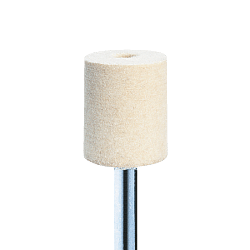
Using diamond pastes requires a certain level of technical expertise to achieve the best results. The process begins with selecting the appropriate grain size based on the material to be worked on and the desired finish. The pastes are applied to the surface to be treated using specific tools, such as felt pads or discs. During application, it is important to maintain constant pressure and a uniform motion to ensure a consistent finish. After polishing, the surface must be cleaned thoroughly to remove any paste residue.
Advantages of diamond pastes in mechanical machining
The use of diamond pastes offers numerous advantages in mechanical machining. Firstly, their ability to remove material in a controlled manner allows for extremely smooth and precise surfaces to be achieved. This is particularly important for components requiring tight tolerances and high-quality finishes. Furthermore, diamond pastes reduce the risk of material damage, thanks to their gentle yet effective abrasive action. Finally, the use of diamond pastes can improve the efficiency of the production process, reducing machining times and associated costs.
Frequently asked questions about diamond pastes
What are the main applications of diamond pastes?
Diamond pastes are mainly used for polishing and finishing metal and ceramic surfaces in sectors such as aerospace, automotive and medical.
How do you choose the right grain size for a diamond paste?
The choice of grit size depends on the material being worked on and the desired level of finish. Finer grit sizes are used for smoother finishes.
What tools are needed to apply diamond pastes?
Common tools include buffing pads, felt discs and other supports that allow the paste to be applied evenly to the surface.
Can diamond pastes be used on all types of metals?
Yes, diamond pastes are suitable for a wide range of metals, including stainless steel, aluminium and special alloys.
What are the advantages of diamond pastes compared to other abrasives?
Diamond pastes offer greater precision and a smoother finish than other abrasives, thanks to the hardness of the diamond.
Is it necessary to clean the surface after using diamond pastes?
Yes, it is important to clean the surface thoroughly to remove any paste residue and ensure a flawless finish.
Are diamond pastes suitable for machining technical ceramics?
Absolutely; diamond pastes are ideal for machining technical ceramics, thanks to their cutting and finishing capabilities.
How long does a diamond paste last?
The lifespan depends on the application and the amount used, but generally a small amount is sufficient for several applications.
Can diamond pastes be applied by hand?
Yes, they can be applied by hand or using machinery, depending on the specific requirements of the machining process.
What safety precautions should be taken when using diamond pastes?
It is important to wear personal protective equipment, such as gloves and safety goggles, and to work in a well-ventilated area to avoid inhaling dust.Read More Read Less