< Abrasives Abrasive wheels for sharpening and grinding
An introduction to abrasive wheels for sharpening and grinding
Abrasive wheels for sharpening and grinding are a fundamental part of modern machine shops. These tools, which are essential for ensuring precision and quality in metalworking processes, are designed to deliver high and long-lasting performance. In this article, we will explore in detail what abrasive wheels are, what they are used for, how they are used and what benefits they offer. We will also answer the most frequently asked questions to provide a comprehensive understanding of these indispensable tools.
Understanding abrasive wheels: definition and function
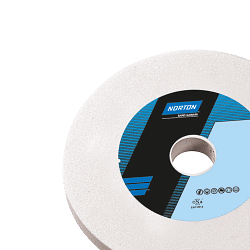
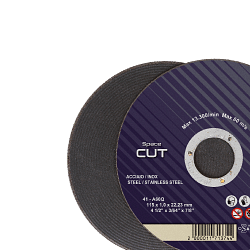
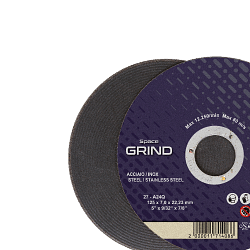
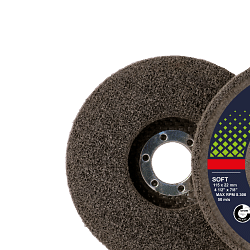
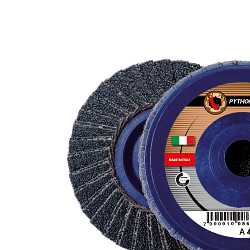
Abrasive wheels are circular tools composed of abrasive materials bound together by a binder. These tools are primarily used to sharpen and grind metal surfaces, ensuring a precise and uniform finish. Their main function is to remove material from the surface of a workpiece, thereby improving the quality and precision of the final product.
Applications of abrasive wheels in machine shops
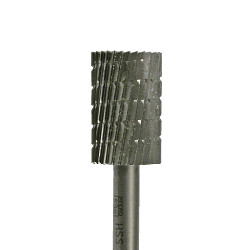
In machine shops, abrasive wheels are used in a wide range of applications. They are used to sharpen cutting tools, such as milling cutters and drill bits, and to grind the surfaces of mechanical components, ensuring tight tolerances and smooth surfaces. These tools are essential for maintaining the efficiency and precision of machine tools, reducing downtime and improving overall productivity.
Types of abrasive wheels: a detailed overview
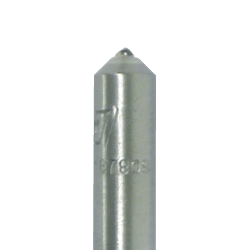
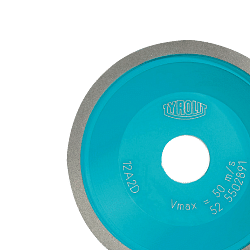
There are various types of abrasive wheels, each designed for specific applications. Aluminium oxide wheels are ideal for general machining of steel and ferrous alloys, whilst silicon carbide wheels are better suited to hard and brittle materials such as ceramics and glass. Diamond grinding wheels, on the other hand, offer superior performance on extremely hard materials such as tungsten carbide. Choosing the right grinding wheel depends on the material to be machined and the type of machining required.
How to use abrasive wheels correctly
Correct use of abrasive wheels is essential to ensure safety and efficiency. Before starting, it is important to select the appropriate wheel for the specific material and application. During use, it is essential to maintain a constant speed and apply even pressure to prevent overheating and premature wear. Furthermore, it is crucial to wear personal protective equipment, such as safety goggles and gloves, to prevent injuries.
Advantages of abrasive wheels for sharpening and grinding
The use of abrasive wheels offers numerous advantages in machine shops. These tools enable extremely smooth and precise surfaces to be achieved, improving the quality of the final product. Furthermore, abrasive wheels reduce machining times and operating costs, thanks to their ability to remove material quickly and efficiently. Finally, the use of abrasive wheels helps to extend the service life of cutting tools, reducing the need for frequent replacements.
Maintenance and care of abrasive wheels
To ensure optimal performance and a long service life, it is important to carry out regular maintenance on abrasive wheels. After each use, it is advisable to clean the grinding wheel to remove any material residue and dust. Furthermore, it is important to periodically check the grinding wheel for wear and replace it when necessary. Proper maintenance not only extends the life of the grinding wheel but also ensures consistent, high-quality machining results.
Innovations in the range of abrasive wheels
In recent years, the abrasive wheel sector has seen significant technological innovations. The introduction of new materials and binders has enabled the development of more durable and high-performance wheels. Furthermore, the adoption of advanced manufacturing technologies has improved the precision and efficiency of abrasive wheels, making them even more indispensable tools in modern machine shops.
Final thoughts on abrasive wheels
Abrasive wheels for sharpening and grinding are essential tools for ensuring precision and quality in metalworking processes. Their versatility and efficiency make them indispensable in machine shops, helping to improve productivity and reduce operating costs. When correctly selected, used and maintained, abrasive wheels can deliver exceptional and long-lasting performance.
FAQs on abrasive wheels for sharpening and grinding
What are the most common materials used in abrasive wheels?
The most common materials include aluminium oxide, silicon carbide and diamond.
How do I choose the right abrasive wheel for my application?
The choice depends on the material to be worked on and the type of machining required.
What are the main advantages of diamond grinding wheels?
They offer superior performance on extremely hard materials and a longer service life.
How can I extend the service life of my grinding wheels?
By carrying out regular maintenance and using them correctly.
What protective equipment should I wear when using abrasive wheels?
Safety goggles and gloves are essential to prevent injuries.
Can abrasive wheels be used on non-metallic materials?
Yes, some grinding wheels are designed to work on ceramics, glass and other non-metallic materials.
What are the signs of wear on an abrasive wheel?
Reduced cutting performance and the presence of cracks or chips.
Can cutting tools be sharpened with abrasive wheels?
Yes, abrasive wheels are ideal for sharpening cutting tools such as milling cutters and drill bits.
How does rotational speed affect the performance of an abrasive wheel?
A constant speed is crucial to prevent overheating and premature wear.
What recent innovations have improved abrasive wheels?
New materials and advanced manufacturing technologies have improved precision and service life.Read More Read Less