< Measuring and precision tools Laboratory scales
Laboratory scales: precision and reliability for mechanical workshops
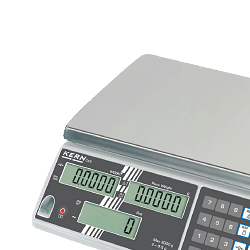
In the world of mechanical workshops, precision is crucial. Every component, every part, every gram counts. This is where laboratory balances come into play, offering an indispensable solution to ensure that every measurement is exact and reliable. These precision instruments are designed to provide accurate measurements, which are essential for the success of any mechanical operation.
Laboratory balances are measuring instruments used to determine the mass of an object with a high degree of precision. They are commonly used in research laboratories, the chemical and pharmaceutical industries and, of course, in mechanical workshops. Their ability to provide precise measurements makes them indispensable in contexts where even the slightest variation in weight can affect the final result.
The importance of laboratory balances in mechanical workshops
Mechanical workshops rely on laboratory balances for a range of critical applications. From weighing small components to measuring materials for production, these balances ensure that every part meets the required specifications. The precision of laboratory balances helps to avoid costly errors and improve operational efficiency.
In an environment where quality and precision are paramount, laboratory balances offer a competitive advantage. They enable high standards to be maintained, minimising waste and optimising the use of materials. Furthermore, they help ensure safety, as an incorrect measurement could lead to malfunctions or breakdowns in machinery.
How to use laboratory balances correctly
Correct use of laboratory balances is essential for obtaining accurate measurements. First and foremost, it is important to place the balance on a stable, level surface to avoid reading errors. Furthermore, it is essential to calibrate the balance regularly to maintain its accuracy over time.
When using a laboratory balance, it is advisable to avoid touching the weights or samples directly with your hands, as oil and moisture from the skin can affect the results. Using tweezers or gloves is good practice to ensure measurement accuracy. Finally, it is important to follow the manufacturer’s instructions for the maintenance and cleaning of the balance, ensuring it is always in optimal condition.
Advantages of laboratory balances in mechanical workshops
The use of laboratory scales in mechanical workshops offers numerous advantages. Firstly, the accuracy of the measurements helps improve the quality of finished products, reducing the risk of defects and increasing customer satisfaction. Furthermore, the use of precise scales can lead to a reduction in operating costs, as it minimises material waste and optimises production processes.
Another significant advantage is the ability to document and trace measurements, facilitating compliance with industry regulations and improving operational transparency. Modern laboratory balances are often equipped with advanced features, such as connectivity to IT systems, which allow weighing data to be easily integrated into business processes.
Frequently asked questions about laboratory balances
What is the difference between a laboratory balance and an industrial balance?
Laboratory balances are designed for high-precision measurements of small quantities, whilst industrial scales are used to weigh larger loads with lower precision.
How do you calibrate a laboratory balance?
Calibrating a laboratory balance requires the use of certified standard weights. Follow the manufacturer’s instructions to ensure correct calibration.
What factors can affect the accuracy of a laboratory balance?
Factors such as temperature, humidity, vibrations and the position of the balance can affect the accuracy of measurements.
Can a laboratory balance be used to weigh liquids?
Yes, it is possible to weigh liquids by using suitable containers and taring the balance to exclude the weight of the container.
What are the key features to consider when choosing a laboratory balance?
Accuracy, weighing capacity, ease of use, additional features such as connectivity, and robustness are important factors to consider.
How do you clean a laboratory balance?
Use a soft, dry cloth to clean the balance. Avoid using harsh solvents that could damage the components.
Do laboratory balances require regular maintenance?
Yes, it is important to carry out regular maintenance to ensure the balance’s accuracy and longevity.
What is the average lifespan of a laboratory balance?
Lifespan depends on use and maintenance, but a well-maintained balance can last for many years.
Can a laboratory balance be connected to a computer?
Many modern balances offer computer connectivity to facilitate data recording and analysis.
What are the most common applications of laboratory scales in engineering workshops?
Balances are used to weigh components, measure materials for production and ensure compliance with technical specifications.Read More Read Less