< Abrasives HSS rotary burrs
An introduction to HSS rotary cutters
HSS rotary milling cutters – HSS standing for High-Speed Steel – are among the most versatile and indispensable tools in the mechanical engineering sector. These tools are designed to deliver high performance in terms of speed and precision, making them ideal for a wide range of industrial applications. In this article, we will explore in detail what HSS rotary end mills are, what they are used for, how they are used and what advantages they offer compared to other types of tools.
What are HSS rotary cutters?
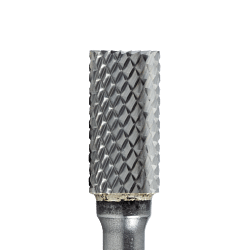
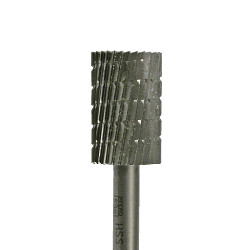
HSS rotary cutters are cutting tools made from high-speed steel, a material known for its ability to maintain hardness and heat resistance even at high temperatures. This makes them particularly suitable for high-speed cutting operations, where heat generation is a critical factor. Rotary end mills are available in various shapes and sizes, each designed for specific machining applications.
Applications of HSS rotary cutters
HSS rotary cutters are used in a wide range of industrial applications. They are commonly used for milling, drilling, shaping and finishing both metallic and non-metallic materials. Thanks to their versatility, they can be used in sectors such as aerospace, the automotive industry, die and mould manufacturing, and many other industries that require precision and reliability.
How to use HSS rotary cutters
Correct use of HSS rotary end mills is essential for achieving optimal results and extending the tool’s service life. Before starting, it is important to select the appropriate end mill for the specific material and application. Once the cutter has been chosen, it is essential to set the cutting speed and feed rate correctly, taking into account the material specifications and machining conditions. Furthermore, the use of suitable lubricants can reduce friction and heat, improving overall performance.
Advantages of HSS rotary cutters
HSS rotary end mills offer numerous advantages over other types of cutting tools. Firstly, their ability to operate at high speeds without losing hardness makes them ideal for applications requiring speed and precision. Furthermore, HSS is a relatively cost-effective material compared to other advanced cutting materials, making HSS rotary cutters a cost-effective choice for many machine shops. Finally, their versatility and availability in a wide range of shapes and sizes make them suitable for a multitude of applications.
Frequently asked questions about HSS rotary cutters
What are the main materials that can be machined with HSS rotary cutters?
HSS rotary cutters are suitable for machining a wide range of materials, including steel, cast iron, aluminium, copper and plastic.
What is the difference between HSS and tungsten carbide?
HSS is more economical and offers good heat resistance, whilst tungsten carbide is harder and more wear-resistant, but also more expensive.
How do you choose the right HSS rotary cutter for a specific application?
The choice depends on the material to be machined, the desired cutting speed and the required precision. It is important to consult the manufacturer’s specifications.
What are the best practices for maintaining HSS rotary cutters?
Clean the tool regularly, use suitable lubricants and store the cutters in a dry environment to prevent corrosion.
Can HSS rotary cutters be resharpened?
Yes, HSS rotary cutters can be resharpened to extend their service life, but it is important to use professionals to ensure optimal results.
What are the limitations of HSS rotary cutters?
HSS cutters may not be suitable for extremely hard materials or for applications requiring superior wear resistance.
How does cutting speed affect the performance of HSS rotary cutters?
A cutting speed that is too high can cause overheating and premature wear, whilst a speed that is too low can reduce cutting efficiency.
What safety considerations should be taken into account when using HSS rotary cutters?
Always wear personal protective equipment, such as safety goggles and gloves, and ensure that the tool is correctly fitted to the machine.
Are HSS rotary cutters suitable for machining composite materials?
Yes, but it is important to choose the right cutter and adjust the cutting speed to prevent delamination or damage to the material.
What are the future trends in the design of HSS rotary cutters?
Innovations are focusing on advanced coatings to improve wear resistance and cutting efficiency, as well as optimised geometries for specific applications.Read More Read Less