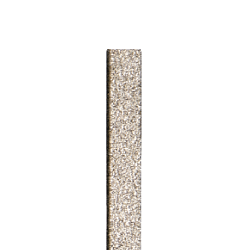
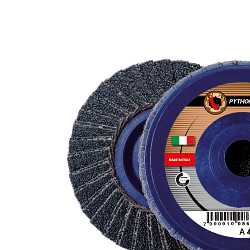
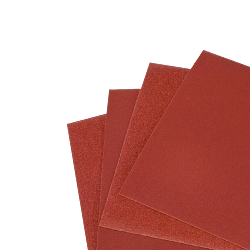
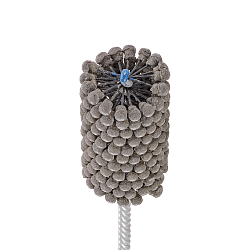
An introduction to files and rasps: essential tools for machine shops
Files and rasps are fundamental tools in the world of mechanical workshops. These hand tools, whilst simple in design, play a crucial role in the machining of metals and other materials. Their ability to shape, finish and adapt surfaces makes files and rasps indispensable for any self-respecting technician or craftsman. In this article, we will explore in detail what files and rasps are, what they are used for, how to use them and what advantages they offer in the context of machine shops.
What are files and rasps?
Files and rasps are hand tools used for surface finishing. A file is a tool consisting of a bar of hardened steel with a serrated surface, designed to remove small amounts of material from a workpiece. Files come in various shapes and sizes, depending on the specific application. Rasps, on the other hand, are similar to files but have larger, more widely spaced teeth, making them ideal for working on softer materials such as wood or plastic.
The use of files and rasps in machine shops
In machine shops, files and rasps are used for a variety of applications. They are essential for finishing metal workpieces, removing burrs, creating smooth surfaces and preparing components for further machining. The choice between a file and a rasp depends on the material being worked on and the type of finish required. Files are preferred for metals, whilst rasps are better suited to softer materials.
Advantages of using files and rasps
The use of files and rasps offers numerous advantages in metalworking workshops. Firstly, they allow for a high degree of precision when working with materials, enabling perfectly smooth and finished surfaces to be achieved. Furthermore, they are versatile tools that can be used on a wide range of materials, from metals to wood. Their ease of use and the fact that they do not require a power supply make them economical and reliable tools.
How to choose the right file or rasp
Choosing the right file or rasp depends on several factors, including the type of material to be worked on, the size of the workpiece and the type of finish required. Files come in various shapes, such as flat, round, triangular and square, each designed for specific applications. Rasps, on the other hand, are generally used for rougher work and are available in different grits, which determine the amount of material removed.
Techniques for using files and rasps
The correct use of files and rasps requires a certain amount of skill and practice. It is important to maintain a firm grip on the tool and apply even pressure whilst working. Files should be used with long, fluid strokes, whilst rasps require a more vigorous approach. It is also essential to keep the tool clean and free of debris to ensure effective working.
Maintenance of files and rasps
Regular maintenance of files and rasps is essential to ensure their longevity and effectiveness. After each use, it is advisable to clean the tool with a wire brush to remove any material residue. Furthermore, it is important to store files and rasps in a dry place to prevent rust from forming. Proper maintenance ensures that these tools remain sharp and ready for use.
Innovations in the design of files and rasps
In recent years, there have been several innovations in the design of files and rasps. Manufacturers have introduced more durable materials and ergonomic designs to improve user comfort and efficiency. Furthermore, new types of tooth pitch have been developed to optimise material removal and reduce operator fatigue. These innovations have made files and rasps even more effective and versatile.
Advanced applications of files and rasps
In addition to traditional applications, files and rasps are also used in advanced sectors such as aerospace and the automotive industry. In these contexts, they are used for finishing critical components and preparing surfaces for subsequent treatments. Their ability to ensure precision and quality makes them indispensable tools even in the most demanding applications.
Conclusions: the importance of files and rasps in mechanical workshops
In conclusion, files and rasps are essential tools for mechanical workshops. Their versatility, precision and ease of use make them indispensable for any technician or craftsman. Whether it is a matter of finishing a metal workpiece or shaping a wooden component, files and rasps offer effective and reliable solutions. Investing in quality tools and keeping them in good condition is vital to ensuring optimal results in every project.
FAQs on files and rasps in mechanical workshops
What is the difference between a file and a rasp?
The main difference lies in the tooth pitch: files have smaller, closely spaced teeth, whilst rasps have larger, more widely spaced teeth, suitable for softer materials.
How do you choose the right file for a specific job?
The choice depends on the material to be worked on and the desired finish. Flat files are ideal for flat surfaces, whilst round files are suitable for curved surfaces.
What materials can be worked on with files?
Files are suitable for metals, wood, plastic and other materials. The choice of file depends on the hardness of the material.
How do you keep a file in good condition?
It is important to clean the file after each use with a wire brush and store it in a dry place to prevent rust.
What are the recent innovations in file design?
Recently, more durable materials and ergonomic designs have been introduced to improve user comfort and efficiency.
Can files be used for precision work?
Yes, files are ideal for precision work thanks to their ability to remove small amounts of material with great control.
What are the advantages of rasps over files?
Rasps are better suited to working with soft materials and for the rapid removal of material thanks to their larger teeth.
How do you use a rasp correctly?
It is important to apply even pressure and use firm strokes to ensure effective material removal.
Which sectors use files and rasps apart from engineering workshops?
As well as engineering workshops, files and rasps are used in the aerospace, automotive and woodworking sectors.
How do you clean a rasp after use?
After use, it is advisable to clean the rasp with a wire brush to remove any residual material and store it in a dry place.Read More Read Less