< Hand tools Screwdrivers
An introduction to screwdrivers: essential tools for industry
In the world of mechanical workshops, screwdrivers are fundamental tools for a wide range of applications. These tools, which are often underestimated, are essential for ensuring precision and efficiency in assembly and maintenance processes. In this article, we will explore in detail what screwdrivers are, what they are used for, how to use them and what benefits they offer in an industrial context.
What are screwdrivers and screw extractors?
Screwdrivers are hand tools designed to insert and remove screws. Although the terms are often used interchangeably, there is a subtle difference between the two: the term ‘giravite’ is more commonly used in Italy, whilst ‘cacciavite’ is a more generic term. Both tools consist of a handle and a blade, which ends in a tip designed to fit the head of the screw.
Types of screwdrivers
There are various types of screwdrivers, each designed for specific applications. Among the most common are:
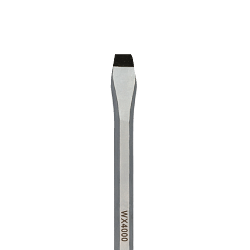
- Slotted screwdrivers: characterised by a flat blade, they are used for screws with a straight slot.
- Phillips screwdrivers: designed for screws with a cross-shaped slot, they offer a better grip and reduce the risk of slipping.
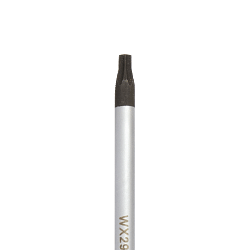
- Torx screwdrivers: with a six-pointed star-shaped tip, they are ideal for applications requiring high torque.
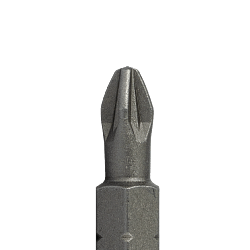
- Star-head (Pozidriv) screwdrivers: similar to Phillips screwdrivers, but with greater resistance to slipping.
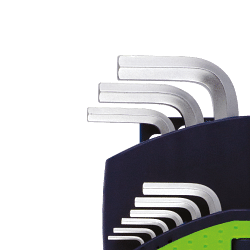
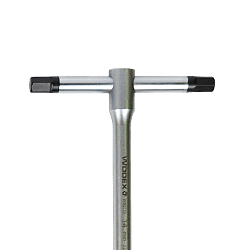
- Hex (Allen) screwdrivers: used for screws with an internal hex head, common in mechanical and precision applications.
What are screwdrivers and flat-head screwdrivers used for?
Screwdrivers are mainly used for tightening and loosening screws, but their applications extend far beyond this. They are essential tools for assembling mechanical components, maintaining machinery, repairing electronic equipment and much more. Their versatility makes them suitable for a wide range of sectors, from the automotive and electronics industries to construction and industrial manufacturing.
How do you use screwdrivers?
Using screwdrivers correctly is essential to ensure safety and efficiency. Here are some key steps for optimal use:
1. Choosing the right screwdriver: select the type of screwdriver that matches the head of the screw you are working on.
2. Correct positioning: insert the tip of the screwdriver into the screw head, ensuring it is properly aligned to prevent slipping.
3. Applying force: apply constant, even pressure whilst turning the screwdriver, maintaining a firm grip on the handle.
4. Controlling torque: avoid applying excessive force to prevent damage to the screw or the surrounding material.
Advantages of using screwdrivers and flat-head screwdrivers in industry
The use of screwdrivers offers numerous advantages in an industrial context:
- Precision: they allow for precise control during assembly and maintenance, reducing the risk of errors.
- Efficiency: these hand tools are quick and easy to use, improving productivity.
- Versatility: suitable for a wide range of applications, from precision work to heavier-duty tasks.
- Reliability: made from high-quality materials, they guarantee a long service life and resistance to wear and tear.
Maintenance and care of screwdrivers
To ensure the longevity and effectiveness of screwdrivers, it is important to follow certain maintenance practices:
- Regular cleaning: remove dirt and debris after each use to prevent corrosion.
- Periodic inspection: check the tips regularly for wear and replace any damaged ones.
- Proper storage: store the tools in a dry, protected place to prevent accidental damage.
Innovations in screwdrivers
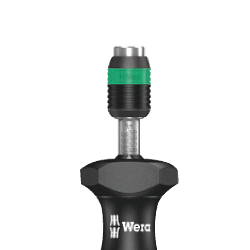
In recent years, the tool industry has seen a number of innovations in screwdrivers. These include the introduction of advanced materials for handles, which improve ergonomics and reduce operator fatigue. Furthermore, magnetic screwdrivers and those with interchangeable bits offer greater flexibility and convenience.
FAQs on screwdrivers and flat-head screwdrivers
What is the difference between a screwdriver and a flat-head screwdriver?
There is no technical difference between the two terms; both refer to the same tool.
What are the most common materials used for screwdriver bits?
Bits are often made from chrome-vanadium steel or hardened steel to ensure strength and durability.
How can I prevent the screwdriver from slipping off the screw?
Make sure the screwdriver tip is properly aligned with the screw head and apply steady pressure.
What is the best type of screwdriver for precision work?
Torx and hex screwdrivers are ideal for jobs requiring precision and torque control.
Can I use an electric screwdriver instead of a manual one?
Yes, electric screwdrivers can be used for applications requiring speed and repeatability, but care must be taken to avoid damaging the screws.
How do you choose the right size of screwdriver?
The size of the screwdriver must match the screw head to ensure a secure grip and prevent damage.
What are the advantages of magnetic screwdrivers?
Magnetic screwdrivers make it easier to position screws and reduce the risk of losing them during assembly.
How do you keep screwdriver bits sharp?
Screwdriver tips do not need to be sharpened; if they become worn, it is advisable to replace them.
What is the average lifespan of a screwdriver?
Lifespan depends on use and maintenance, but a good-quality screwdriver can last for several years.
Are screwdrivers suitable for all screws?
No, it is important to choose the correct type of screwdriver for the specific type of screw head you are working with.Read More Read Less