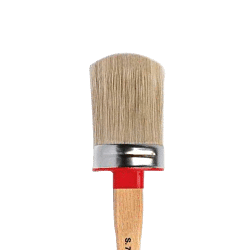
An introduction to industrial brushes and paintbrushes
In the world of mechanical workshops, efficiency and precision are paramount. The tools used must guarantee optimal and long-lasting results. Among these, brushes play a crucial role. These tools, which are often underestimated, are essential for a wide range of industrial applications, from cleaning to surface finishing. In this article, we will explore in detail what brushes are, what they are used for, how they are used and what benefits they offer in the context of engineering workshops.
Features of industrial brushes
Industrial brushes are designed to withstand extreme working conditions. They are made from high-quality materials, such as metal bristles, nylon or natural fibres, mounted on sturdy frames. These tools are available in various shapes and sizes, each suited to specific applications. Brushes can be rotary, disc, cup or belt-type, whilst paintbrushes can vary in terms of bristle length and density.
Applications of brushes and paintbrushes in mechanical workshops
Brushes are used in numerous industrial applications. They are used for cleaning mechanical components, removing rust and paint, polishing metal surfaces and preparing surfaces for painting. Furthermore, they are essential for equipment maintenance, helping to extend its service life and improve performance.
Advantages of using industrial brushes
The use of industrial brushes and paintbrushes offers numerous advantages. Firstly, they improve operational efficiency, enabling cleaning and finishing tasks to be carried out quickly and accurately. Furthermore, they reduce the risk of damage to mechanical components, thanks to their ability to gently remove dirt and debris. Finally, they help to maintain a safe and clean working environment by reducing the build-up of dust and residue.
How to choose the right brushes for your workshop
Choosing the right brushes depends on several factors, including the type of material being worked on, the nature of the application and the specific needs of the workshop. It is important to consider the stiffness of the bristles, heat resistance and compatibility with the chemicals used. Furthermore, it is essential to select high-quality tools that guarantee durability and optimal performance.
Maintenance and care of industrial brushes and paintbrushes
To ensure the longevity and effectiveness of brushes, it is essential to follow proper maintenance practices. After each use, it is advisable to clean the tools thoroughly to remove any material residue and prevent the build-up of dirt. Furthermore, it is important to store brushes in a dry, protected environment to prevent damage to the bristles and handles.
Innovations in the design of industrial brushes and paintbrushes
In recent years, the design of industrial brushes and paintbrushes has undergone significant innovations. Manufacturers are developing tools with more durable and flexible bristles, capable of adapting to uneven surfaces and withstanding high temperatures. Furthermore, new materials have been introduced, such as advanced synthetic fibres, which offer superior performance compared to traditional metal or nylon bristles.
Integration of brushes into automated processes
With the advent of industrial automation, brushes are finding new applications in automated processes. These tools can be integrated into robotic machinery to carry out cleaning and finishing operations autonomously, improving efficiency and reducing machine downtime. The integration of brushes and paintbrushes into automated systems represents a significant step forward for modern engineering workshops.
Challenges and solutions in the use of industrial brushes
Despite the numerous advantages, the use of industrial brushes and paintbrushes presents certain challenges. These include the need to select the right tools for each application and to ensure proper maintenance. However, with the right training and the adoption of best practice, it is possible to overcome these challenges and maximise the benefits derived from using these tools.
Conclusions: the essential role of brushes in mechanical workshops
In conclusion, brushes are indispensable tools for mechanical workshops. They offer effective solutions for cleaning, finishing and maintaining equipment, helping to improve operational efficiency and ensure high-quality results. Investing in high-quality brushes and adopting appropriate maintenance practices is crucial to the success of industrial operations.
FAQs on brushes in mechanical workshops
What are the most common materials used for the bristles of industrial brushes?
The bristles of industrial brushes are commonly made from metal, nylon or natural fibres, each with specific properties suited to different applications.
How can I determine the bristle hardness required for my application?
The stiffness of the bristles depends on the material being worked on and the specific application. Stiffer bristles are suitable for removing tough materials, whilst softer bristles are ideal for delicate surfaces.
What are the advantages of rotary brushes compared to disc brushes?
Rotary brushes offer greater coverage and are ideal for large surfaces, whilst disc brushes are better suited to precision work on confined areas.
How can I extend the service life of my industrial brushes and paintbrushes?
To extend the service life of your brushes and paintbrushes, it is important to clean them regularly, store them in a dry place and replace them when the bristles start to wear out.
What are the most common applications for cup brushes?
Cup brushes are commonly used to remove rust, paint and other coatings from metal surfaces.
How can I integrate brushes into the automated processes in my workshop?
Brushes can be integrated into automated processes using robotic machinery designed to carry out cleaning and finishing operations autonomously.
What are the recent innovations in the design of industrial brushes?
Recent innovations include the use of more durable and flexible bristles, as well as the introduction of new synthetic materials that offer superior performance.
How can I choose the right brush for my application?
Choosing the right brush depends on the type of surface to be worked on, the nature of the application and the specific requirements of the workshop.
What are the common challenges when using industrial brushes?
Common challenges include selecting the right tools for each application and ensuring proper maintenance to extend their service life.
How can I improve my workshop’s operational efficiency through the use of brushes?
Using high-quality brushes and adopting proper maintenance practices can improve operational efficiency, reduce machine downtime and ensure high-quality results.Read More Read Less