< Hand tools Deburring tools
An introduction to deburring tools: an essential component in engineering workshops
In the world of mechanical workshops, efficiency and precision are fundamental to ensuring the quality of finished products. Deburring tools are a crucial instrument in this context, as they enable the removal of surface imperfections from machined parts, thereby improving both their aesthetic appearance and functional performance. In this article, we will explore in detail what deburring tools are, what they are used for, how they are used and what benefits they offer. We will also answer the most frequently asked questions on this topic.
What are deburring tools and why are they important?
Deburring tools are used to remove burrs – that is, the small imperfections or protrusions that form on the edges of machined parts during cutting, milling or turning processes. These burrs can compromise the quality of the finished product, causing assembly problems, reducing mechanical strength or negatively affecting the part’s appearance. Deburring tools are therefore essential to ensure that mechanical components are free from defects and ready for use or assembly.
Types of deburring machines and their applications
There are various types of deburring tools, each designed for specific applications and materials. Among the most common are:
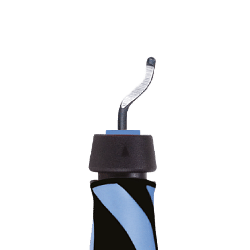
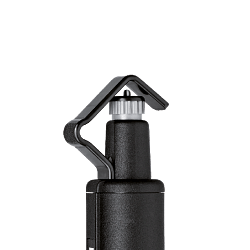
- Manual deburring tools: used for small-scale deburring operations or precision work. They are ideal for soft materials such as plastic and aluminium.
- Electric deburring tools: suitable for more intensive operations and harder materials such as steel and cast iron. They offer greater speed and precision than manual deburring tools.
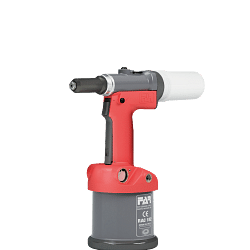
- Pneumatic deburring tools: used in industrial settings due to their power and versatility. They are ideal for large-scale work and for tough materials.
How to use deburring tools correctly
Using deburring tools correctly is essential for achieving the best results. Here are some key steps for effective use:
1. Selecting the appropriate deburring tool: choose the right tool based on the material and size of the workpiece.
2. Preparing the workpiece: ensure the workpiece is securely clamped and stable to prevent unwanted movement during deburring.
3. Setting the operating parameters: adjust the speed and pressure of the deburring tool according to the material and the type of burr to be removed.
4. Performing the deburring: apply the deburrer with smooth, controlled movements, taking care not to apply too much pressure, which could damage the workpiece.
5. Quality control: check the workpiece after deburring to ensure that all burrs have been removed and that the surface is smooth and even.
Advantages of using deburring tools in machine shops
The use of deburring tools in mechanical workshops offers numerous advantages, including:
- Improved product quality: the removal of burrs ensures that components are free from defects, improving both their appearance and functionality.
- Increased production efficiency: deburring machines reduce the time required to finish workpieces, boosting the workshop’s overall productivity.
- Reduced production costs: by removing burrs, the risk of defects and scrap is reduced, helping to keep production costs down.
- Operational safety: burr-free parts are safer to handle, reducing the risk of injury to operators.
Frequently asked questions about deburring machines
What materials can be processed using deburring machines?
Deburring machines can be used on a wide range of materials, including metals, plastics, wood and composites. The choice of deburring machine depends on the specific material and application.
What is the difference between manual and electric deburring tools?
Manual deburring tools are ideal for small-scale precision work, whilst electric ones offer greater speed and power for more intensive operations on hard materials.
How do you choose the right deburring tool for a specific application?
The choice of deburring tool depends on the material of the workpiece, the size of the burrs and the type of machining required. It is also important to consider the speed and power required for the application.
Can deburring tools damage workpieces?
When used correctly, deburring tools do not damage workpieces. However, improper use, such as applying too much pressure, can cause damage to the workpiece’s surface.
What are the best practices for maintaining deburring tools?
Regular maintenance of deburring machines includes cleaning them after each use, checking the blades or tips for wear, and lubricating moving parts to ensure optimal operation.
Is it possible to automate the deburring process?
Yes, there are automatic deburring machines that can be integrated into production lines to increase the efficiency and consistency of the process.
What are the risks associated with using deburring machines?
The main risks include cuts or abrasions and the inhalation of dust or particles. It is important to use personal protective equipment and follow safety guidelines.
Can deburring machines be used on large workpieces?
Yes, there are deburring machines designed to work on large workpieces, often used in conjunction with machine tools to ensure a uniform finish.
What are the current trends in the range of deburring?
Current trends include the adoption of advanced technologies such as laser deburring and the use of innovative materials to improve the efficiency and precision of the process.
How does deburring affect the service life of mechanical components?
Deburring improves the service life of components by removing burrs that can cause stress concentrations and reduce the mechanical strength of the workpiece.Read More Read Less