< Pneumatics Pneumatic grinders
An Introduction to Pneumatic Grinders: An In-Depth Analysis
Pneumatic grinders are an essential tool in mechanical workshops and across various industrial sectors. These compressed-air-powered devices offer power and versatility that make them indispensable for a wide range of applications. In this article, we will explore in detail what pneumatic grinders are, what they are used for, how to use them, the benefits they offer, and we will answer the most frequently asked questions about these tools.
What are pneumatic grinders?
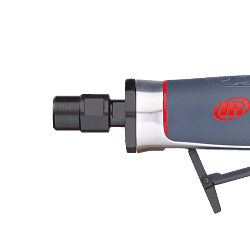
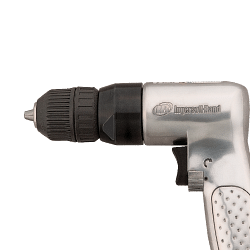
Pneumatic grinders are tools powered by compressed air, designed to sand, polish, cut and finish metal surfaces and other materials. Unlike electric grinders, pneumatic versions are lighter and offer greater manoeuvrability, making them ideal for precision work. Their robust construction and ergonomic design make them suitable for prolonged use without tiring the operator.
Applications of pneumatic grinders
Pneumatic grinders are used in a wide range of industrial and craft applications. They are commonly used for removing excess material, preparing surfaces for painting, polishing metals and finishing welds. Thanks to their versatility, they can be fitted with different types of discs and accessories to suit specific work requirements.
How to use a pneumatic grinder correctly
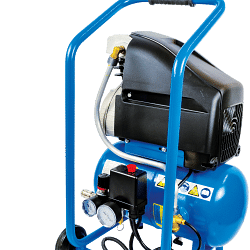
Using a pneumatic grinder correctly is essential to ensure safety and efficiency. Before starting, it is important to ensure that the tool is connected to a suitable air compressor and that the air pressure is set according to the manufacturer’s specifications. Whilst using the tool, it is essential to wear personal protective equipment, such as safety goggles and gloves, to prevent injuries. Furthermore, it is advisable to maintain a firm grip on the tool and work with controlled movements to avoid damage to the material or the tool itself.
Advantages of pneumatic grinders
Pneumatic grinders offer numerous advantages over their electric counterparts. Firstly, their light weight and manoeuvrability reduce operator fatigue, allowing for prolonged use without compromising precision. Furthermore, the compressed air power source eliminates the risk of the motor overheating, ensuring a longer tool life. Finally, the ability to adjust the rotational speed allows the tool to be adapted to different applications, improving efficiency and the quality of the work.
Frequently asked questions about pneumatic grinders
What is the difference between a pneumatic grinder and an electric one?
Pneumatic grinders are powered by compressed air, whilst electric ones use electricity. Pneumatic models are generally lighter and easier to handle.
What are the main accessories that can be used with a pneumatic grinder?
Pneumatic grinders can be fitted with abrasive discs, wire brushes, polishing pads and cutting discs, depending on the application.
How do you adjust the speed of a pneumatic grinder?
The speed of a pneumatic grinder can be adjusted via an air control valve, which allows the tool to be adapted to specific work requirements.
What safety precautions should be taken when using a pneumatic grinder?
It is important to wear personal protective equipment, such as safety goggles and gloves, and to ensure that the tool is correctly connected and adjusted before use.
What is the ideal air pressure for a pneumatic grinder?
The ideal air pressure varies depending on the model, but is generally around 90 psi. It is important to consult the manufacturer’s manual for the exact specifications.
Can pneumatic grinders be used on materials other than metal?
Yes, pneumatic grinders can be used on a variety of materials, including wood, plastic and composites, depending on the type of disc or accessory used.
How do you maintain a pneumatic grinder?
Maintenance of a pneumatic grinder includes regular lubrication, cleaning the air filters and checking the condition of the discs and accessories.
What are the signs of wear and tear on a pneumatic grinder?
Signs of wear include reduced performance, unusual noises and excessive vibration. It is important to carry out regular checks to prevent breakdowns.
Are pneumatic grinders suitable for precision work?
Yes, thanks to their light weight and manoeuvrability, pneumatic grinders are ideal for precision work and finishing.
What are the advantages of using a pneumatic grinder in a mechanical workshop?
The advantages include greater efficiency, reduced operator fatigue and a longer tool life thanks to the compressed air power supply.Read More Read Less