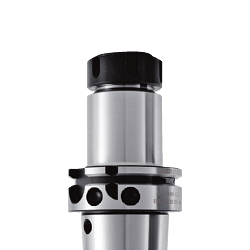
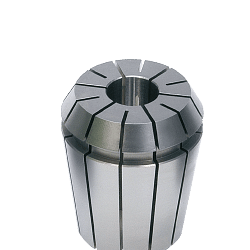
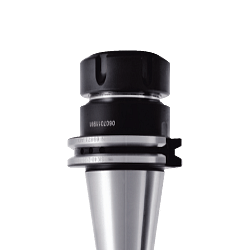
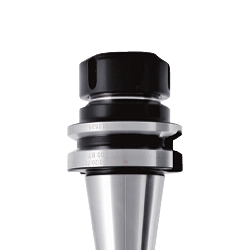
< Clamping systems Chucks HSK-A DIN 69893A
Introduction to HSK-A spindles (DIN 69893A)
In the world of machine shops, efficiency and precision are key factors in ensuring the quality of the final product. HSK-A DIN 69893A spindles are an essential component in achieving these objectives. These tools are designed to provide a rigid and precise connection between the machine tool and the cutting tool, thereby improving the overall performance of the machining process.
HSK-A DIN 69893A spindles are renowned for their ability to maintain a stable connection even at high rotational speeds, minimising vibrations and ensuring greater cutting precision. This article will explore in detail what HSK-A DIN 69893A spindles are, what they are used for, how to use them, the benefits of using them, and will answer frequently asked questions on this topic.
What are HSK-A DIN 69893A spindles?
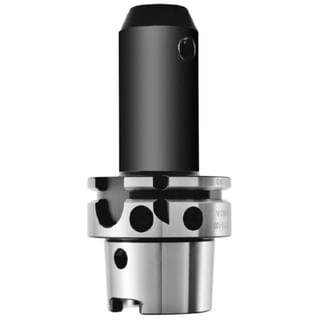
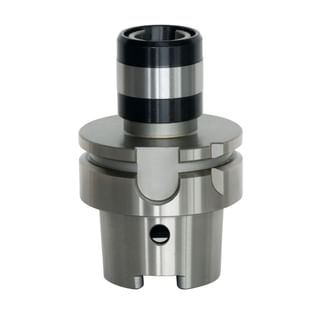
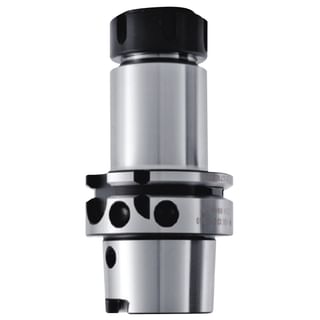
HSK-A DIN 69893A spindles are clamping devices used in machine tools to secure cutting tools. The abbreviation HSK stands for ‘Hohl-Schaft-Kegel’, which in German means ‘hollow-shaft cone’. This innovative design allows for a more rigid and precise connection than traditional spindles, thanks to its ability to expand and contract to fit the tool perfectly.
The DIN 69893A standard defines the technical specifications for these chucks, ensuring they are compatible with a wide range of machine tools and cutting tools. The “A” version of the HSK spindle is particularly suitable for high-speed applications, thanks to its ability to maintain stability even at high rotational speeds.
What are HSK-A DIN 69893A chucks used for?
HSK-A DIN 69893A chucks are primarily used to ensure a stable and precise connection between the machine tool and the cutting tool. This connection is essential to ensure that the tool maintains its position during the machining process, minimising vibrations and improving cutting accuracy.
Furthermore, HSK-A DIN 69893A spindles are designed to reduce tool changeover time, thereby increasing the overall efficiency of the production process. Thanks to their innovative design, these spindles allow for quick and easy tool changes, minimising machine downtime.
How are HSK-A DIN 69893A spindles used?
Using HSK-A DIN 69893A spindles is relatively straightforward, but requires some care to ensure they are fitted correctly. First of all, it is important to ensure that the spindle is compatible with the machine tool and the cutting tool you intend to use.
Once compatibility has been checked, the spindle must be fitted into the machine tool and clamped securely. It is essential to ensure that the spindle is properly aligned with the machine’s axis to guarantee a stable and precise connection. Once installed, the cutting tool can be inserted into the spindle and clamped using the integrated locking mechanism.
Advantages of HSK-A DIN 69893A spindles
The use of HSK-A DIN 69893A spindles offers numerous advantages over traditional spindles. One of the main advantages is greater cutting precision, thanks to the rigid and stable connection between the machine tool and the cutting tool. This results in better quality of the final product and a reduction in production scrap.
Furthermore, HSK-A DIN 69893A spindles are designed to minimise vibrations during the machining process, thereby improving the service life of cutting tools and reducing maintenance costs. Their ability to maintain stability even at high rotational speeds makes them ideal for high-speed applications, thereby increasing the overall efficiency of the production process.
Frequently asked questions about HSK-A DIN 69893A spindles
What is the difference between HSK-A spindles and other types of spindles?
HSK-A spindles offer a more rigid and precise connection than traditional spindles, thanks to their hollow shank design which allows for better expansion and contraction.
Are HSK-A DIN 69893A spindles compatible with all machine tools?
No, it is important to check the compatibility of the spindle with the machine tool and the cutting tool before installation.
What are the main advantages of HSK-A DIN 69893A spindles?
The main advantages include greater cutting precision, reduced vibration and faster tool changes.
How do you install an HSK-A DIN 69893A spindle?
The spindle must be inserted into the machine tool and clamped securely, ensuring that it is properly aligned with the machine’s axis.
Are HSK-A DIN 69893A spindles suitable for high-speed applications?
Yes, these chucks are designed to maintain stability even at high rotational speeds, making them ideal for high-speed applications.
What is the average service life of an HSK-A DIN 69893A spindle?
Service life depends on usage and maintenance, but in general, these spindles are designed to last a long time thanks to their robust construction.
Can HSK-A DIN 69893A spindles be used with cutting tools of different sizes?
Yes, these chucks are compatible with a wide range of cutting tools, provided they meet the chuck’s specifications.
What materials are used in the manufacture of HSK-A DIN 69893A spindles?
The chucks are generally made from high-quality steel to ensure strength and durability.
How are HSK-A DIN 69893A spindles maintained?
Maintenance involves regular cleaning and checking the alignment and tightness to ensure optimum performance.
What are the most common applications for HSK-A DIN 69893A spindles?
They are commonly used in milling, drilling and turning applications where high precision and stability are required.Read More Read Less