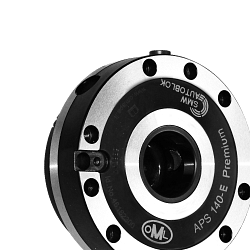
< Clamping systems Vises
An Introduction to Vices: An Essential Tool in Mechanical Workshops
In the world of mechanical workshops, efficiency and precision are fundamental to ensuring the quality of the work carried out. Among the most widely used and valued tools in this context are vices. Although these devices may seem simple, they play a crucial role in keeping workpieces stable during machining operations. In this article, we will explore in detail what vices are, what they are used for, how to use them and what advantages they offer. We will also answer the most frequently asked questions to clear up any doubts about this indispensable tool.
What are vices and how do they work?
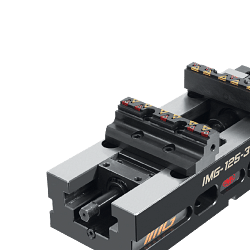
Vices are clamping tools used primarily in machine shops to hold workpieces firmly in place during machining operations. They consist of two jaws, one fixed and one movable, which move closer together or further apart via a screw mechanism. This allows the workpiece to be clamped securely, ensuring stability and precision when using machine tools such as drills, milling machines and lathes.
The operation of vices is relatively simple: the movable jaw is brought closer to the workpiece by turning a screw, which can be operated manually or via a pneumatic or hydraulic system. Once the workpiece is securely clamped, the operator can proceed with machining operations in complete safety.
Use of vices in mechanical workshops
In machine shops, vices are used in a wide range of applications. They are essential for drilling, milling, turning and grinding operations, where it is vital to hold the workpiece in place to ensure precision and safety. Vices can be mounted on workbenches, machine tools or rotary tables, depending on the specific requirements of the operation.
The correct use of vices requires a good understanding of clamping techniques and the features of the workpiece. It is important to choose the most suitable type of vice based on the size and shape of the workpiece, as well as the type of machining to be carried out. Furthermore, it is essential to ensure that the clamping force is strong enough to hold the workpiece in place, but not so excessive as to damage it.
Advantages of using vices
The use of vices in machine shops offers numerous advantages. Firstly, they ensure a secure and stable clamping, reducing the risk of unwanted movement of the workpiece during machining. This results in greater precision and higher quality of the work carried out.
Furthermore, vices enable more efficient working, reducing both set-up and processing times. Thanks to their versatility, they can be used with a wide range of workpieces and machine tools, making them an indispensable tool in any machine shop.
Another significant advantage is safety. Vices reduce the risk of accidents caused by workpieces moving or coming loose during machining, protecting both the operator and the integrity of the workpiece.
Types of Morse chucks and their specific applications
There are various types of vices, each designed for specific applications. Among the most common are bench vices, drill vices and milling vices. Bench vices are generally used for manual clamping operations on workbenches, whilst drill and milling vices are designed to be mounted directly onto machine tools.
Each type of vice has specific features that make it more suitable for certain applications. For example, milling vices are often fitted with a swivel base that allows the workpiece to be positioned at different angles, facilitating complex milling operations. Drill vices, on the other hand, are designed to ensure a stable clamping action during drilling operations.
Maintenance and care of vices
To ensure optimal performance and a long service life, it is important to carry out regular maintenance on vices. This includes cleaning the jaws and the screw mechanism, lubricating moving parts and periodically checking the structural integrity of the tool.
Proper maintenance not only extends the service life of the vices but also ensures that they continue to provide a secure and precise clamping action. It is advisable to follow the manufacturer’s instructions regarding maintenance and the correct use of the tool.
Frequently Asked Questions about Vices
What are the most common materials used for vices?
Vices are generally made of steel or cast iron, materials that offer strength and durability.
How do I choose the right vices for my application?
The choice of vices depends on the size and shape of the workpiece, as well as the type of machining to be carried out.
Can vices be used with irregularly shaped workpieces?
Yes, there are vices with special jaws designed to accommodate irregularly shaped workpieces.
What is the difference between manual and pneumatic vices?
Manual vices are operated by hand, whilst pneumatic vices use compressed air for clamping.
How can I ensure a secure clamp without damaging the workpiece?
It is important to adjust the clamping force according to the material and structure of the workpiece to prevent damage.
Can vices be used with fragile materials?
Yes, but you must use coated or special jaws to avoid damaging the material.
What are the standard sizes of vices?
Sizes vary, but vices are available in a range of sizes to suit various applications.
How can I improve clamping accuracy with vices?
Ensuring that the jaws are clean and properly aligned can improve clamping accuracy.
Do Morse clamps need to be lubricated?
Yes, regular lubrication of the moving parts is essential for optimal operation.
Can Morse clamps be used outdoors?
Yes, but it is important to protect them from corrosion and the elements to ensure their longevity.Read More Read Less