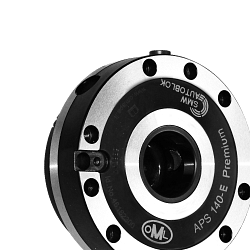
An introduction to magnetic work surfaces: an innovation for machine shops
In the world of machine shops, efficiency and precision are key to ensuring the quality of work and customer satisfaction. Magnetic work surfaces represent one of the most significant innovations in this sector, offering advanced solutions for clamping and machining materials. In this article, we will explore in detail what magnetic work surfaces are, what they are used for, how they are used and what benefits they offer. We will also answer the most frequently asked questions to provide a comprehensive understanding of these essential tools.
What are magnetic work surfaces?
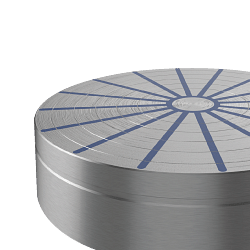
Magnetic work surfaces are devices used primarily in machine shops to secure metal workpieces during machining operations. These tools utilise magnetic force to hold components firmly in place, enabling precise and safe machining. Magnetic work surfaces are available in various sizes and configurations, adapting to the specific requirements of each application.
What are magnetic work surfaces used for?
The main use of magnetic work surfaces is to secure metal workpieces during machining operations. Thanks to their ability to hold components in place without the use of clamps or other fixing devices, magnetic work surfaces allow greater freedom of movement and reduce set-up times. This results in increased operational efficiency and lower production costs.
How are magnetic work surfaces used?
Using magnetic work surfaces is relatively straightforward, but requires some care to ensure optimal results. First of all, it is important to select a magnetic work surface suitable for the size and weight of the workpiece. Once the workpiece has been positioned on the surface, the magnetic field is activated via a switch or lever, depending on the model. The magnetic field generated will hold the workpiece firmly in place throughout the entire machining operation. Once the operation is complete, the magnetic field is deactivated so that the workpiece can be removed safely.
Advantages of magnetic work surfaces in machine shops
The use of magnetic work surfaces in machine shops offers numerous advantages. Firstly, reduced set-up times help to increase productivity and reduce operating costs. Furthermore, the absence of clamps or other fixing devices reduces the risk of damaging workpieces during machining. Magnetic work surfaces also offer greater flexibility, allowing workpieces of different shapes and sizes to be machined without having to change equipment. Finally, the precision of the magnetic clamping helps to improve the quality of the final product.
Frequently asked questions about magnetic work surfaces
Which materials can be clamped using magnetic work surfaces?
Magnetic work surfaces are designed to secure ferrous materials, such as steel and iron. They are not effective on non-ferrous materials such as aluminium or copper.
Can magnetic work surfaces damage workpieces?
No, magnetic work surfaces do not damage workpieces as they do not exert any physical pressure on the components. However, it is important to ensure that the surface of the work surface is clean to prevent scratches.
Is it possible to adjust the magnetic force of the plates?
Some models of magnetic work surfaces offer the option to adjust the magnetic force to suit different applications and materials.
Do magnetic tables require maintenance?
Yes, magnetic tables require regular maintenance to ensure optimal performance. It is important to clean the table surface and check that the magnetic system is working properly.
What is the average lifespan of a magnetic table?
The lifespan of a magnetic table depends on its use and maintenance. With proper care, a magnetic table can last for many years.
Are magnetic tables safe to use?
Yes, magnetic worktops are safe to use provided you follow the manufacturer’s instructions and take the necessary precautions whilst using them.
Can they be used in damp environments?
Magnetic boards can be used in damp environments, but it is important to protect them from corrosion and ensure they are dry before use.
What are the standard sizes of magnetic plates?
Magnetic worktops are available in a wide range of sizes to suit different applications. Standard sizes range from small worktops for precision work to large worktops for industrial applications.
Is it possible to use several magnetic work surfaces at the same time?
Yes, it is possible to use several magnetic work surfaces at the same time to secure large or complex-shaped workpieces.
Can magnetic work surfaces be used with CNC machines?
Yes, magnetic work surfaces are compatible with CNC machines and can improve the efficiency and precision of automated machining operations.
In conclusion, magnetic worktables represent an innovative and versatile solution for machine shops, offering significant advantages in terms of efficiency, precision and safety. With a of their features and how to use them, workshops can optimise machining processes and improve the quality of their final products.