< Clamping systems Self-centring chucks
An introduction to self-centring chucks: an essential component for machine shops
In the world of machine shops, efficiency and precision are fundamental to ensuring the quality of the work carried out. Among the tools that play a crucial role in this context, self-centring chucks stand out for their ability to improve productivity and the precision of machining operations. In this article, we will explore in detail what self-centring chucks are, what they are used for, how they are used and what advantages they offer. Furthermore, we will answer ten frequently asked questions to clear up any doubts about this important tool.
Understanding self-centring chucks: definition and operation
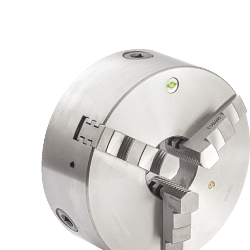
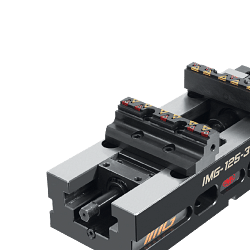
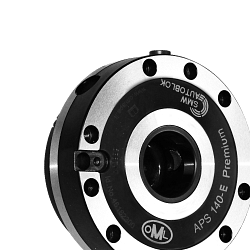
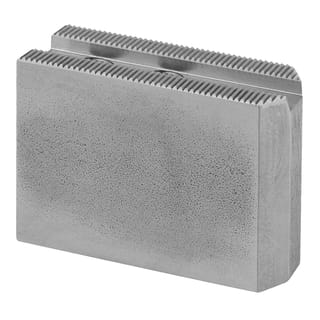
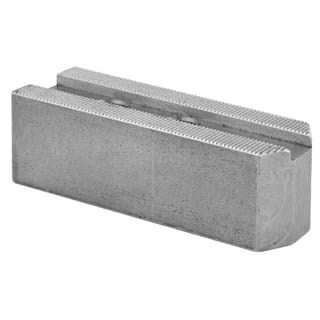
Self-centring chucks are mechanical devices used to clamp and centre workpieces on machine tools, such as lathes and milling machines. Their main feature is the ability to automatically centre the workpiece, ensuring precise alignment and reducing the time required for set-up. This is made possible by a jaw mechanism that moves simultaneously towards the centre of the chuck, clamping the workpiece securely and evenly.
Practical applications of self-centring chucks in machine shops
Self-centring chucks are used in a wide range of machining operations. They are particularly useful in turning processes, where it is essential to keep the workpiece perfectly centred to achieve high-precision results. Furthermore, they are used in milling and drilling operations, where the stability and alignment of the workpiece are crucial to avoiding errors and ensuring the quality of the final product.
Advantages of using self-centring chucks
The use of self-centring chucks in machine shops offers numerous advantages. Firstly, they significantly reduce set-up time, as the automatic centring mechanism eliminates the need for complex manual adjustments. This results in increased productivity and reduced downtime. Furthermore, self-centring chucks improve the precision of machining operations, ensuring perfect alignment of the workpiece and reducing the risk of errors.
How to use self-centring chucks correctly
To fully capitalise on the benefits of self-centring chucks, it is important to use them correctly. First of all, it is essential to select the chuck that is suitable for the type of machining and the material of the workpiece. Next, the workpiece must be positioned correctly within the chuck, ensuring that the jaws are securely tightened and that the workpiece is centred. Finally, it is important to carry out regular checks to ensure that the chuck is functioning correctly and that there are no signs of wear or damage.
Maintenance and care of self-centring chucks
Regular maintenance of self-centring chucks is vital to ensure their longevity and efficiency. It is advisable to clean the chuck after each use to remove swarf and debris that could impair its operation. Furthermore, it is important to lubricate the moving parts to prevent wear and ensure smooth movement of the jaws. Finally, periodically check the alignment and accuracy of the chuck to ensure it continues to function correctly.
Innovations and future trends in self-centring chucks
The self-centring chuck sector is constantly evolving, with innovations aimed at further improving precision and efficiency. Among the emerging trends is the integration of digital technologies and sensors to monitor the condition of the chuck in real time and optimise machining operations. Furthermore, new materials and designs are being developed to increase the durability and strength of chucks, whilst reducing weight and improving ease of use.
FAQs on self-centring chucks
What are self-centring chucks?
Self-centring chucks are mechanical devices used to clamp and centre workpieces on machine tools, ensuring precise alignment.
What are the advantages of self-centring chucks?
The advantages include reduced set-up time, increased machining precision and higher productivity.
How do self-centring chucks work?
They work by means of a jaw mechanism that moves simultaneously towards the centre of the chuck, clamping the workpiece securely and evenly.
In which applications are self-centring chucks used?
They are used in turning, milling and drilling operations, where it is essential to keep the workpiece perfectly centred.
How are self-centring chucks maintained?
Maintenance includes regular cleaning, lubricating moving parts and checking alignment and accuracy.
What innovations are there in self-centring chucks?
Innovations include the integration of digital technologies and sensors, as well as new materials and designs to improve durability and strength.
How do you choose the right self-centring chuck?
The choice depends on the type of machining, the material of the workpiece and the specific requirements of the workshop.
What materials are used in self-centring chucks?
Self-centring chucks are made from durable materials such as steel and special alloys to ensure durability and precision.
How do you install a self-centring chuck?
Installation involves correctly mounting the chuck on the machine tool and tightening the jaws around the workpiece.
What are the alternatives to self-centring chucks?
Alternatives include manual chucks and custom clamping devices, but self-centring chucks offer greater precision and ease of use.Read More Read Less