< Lifting systems Magnetic lifters
An introduction to magnetic lifters: a revolution in the engineering industry
Magnetic lifters represent one of the most significant innovations in the range of lifting and material-handling equipment. Thanks to their ability to lift heavy loads without the need for hooks or chains, these devices have transformed the way engineering workshops and industries handle ferrous materials. In this article, we will explore in detail what magnetic lifters are, how they work, their advantages and their practical applications in the industrial sector.
What are magnetic lifters and how do they work?
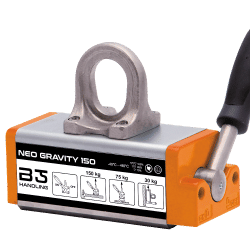
Magnetic lifters are devices designed to lift and transport ferrous materials using magnetic force. They operate via a system of permanent magnets or electromagnets that generate a magnetic field capable of attracting and securely holding the load. Permanent magnetic lifters do not require an electrical power supply, making them ideal for applications where safety and reliability are paramount. Electromagnets, on the other hand, offer the ability to control the strength of the magnetic field, allowing for greater operational flexibility.
Practical applications of magnetic lifters in mechanical workshops
In mechanical workshops, magnetic lifters are used in a wide range of applications. They are used to lift and move sheet metal, bars, pipes and other heavy metal components. Their ability to operate without direct contact with the material reduces the risk of surface damage, preserving the integrity of the workpieces. Furthermore, magnetic lifters improve operational efficiency by reducing handling times and increasing overall productivity.
Advantages of magnetic lifters in industry
The use of magnetic lifters offers numerous benefits to industries. Firstly, they improve workplace safety by eliminating the need for hooks and chains, which can pose a risk to operators. Furthermore, magnetic lifters reduce machine downtime, enabling the rapid and safe handling of materials. Their versatility makes them suitable for a wide range of applications, from lifting small components to handling large metal structures.
How to choose the right magnetic lifter for your needs
Choosing the most suitable magnetic lifter depends on several factors, including the type of material to be lifted, the weight of the load and the operating conditions. It is important to consider the device’s lifting capacity, ensuring it is adequate for the maximum weight of the load. Furthermore, it is essential to assess the quality of the magnet and its resistance to wear and tear, to ensure reliable performance over time. Finally, the ease of use and maintenance of the magnetic lifter are crucial aspects to bear in mind.
Maintenance and safety of magnetic lifters
Regular maintenance of magnetic lifters is essential to ensure their proper functioning and operational safety. It is important to carry out periodic checks to verify the integrity of the magnet and its components. Furthermore, operators must be properly trained in the safe use of magnetic lifters, following the manufacturer’s guidelines and complying with current safety regulations. Adopting preventive maintenance practices helps to extend the device’s service life and reduce the risk of workplace accidents.
Technological innovations in magnetic lifters
In recent years, magnetic lifters have benefited from significant technological innovations. The introduction of advanced magnetic materials has improved the efficiency and power of the devices, enabling them to lift heavier loads whilst maintaining a compact size. Furthermore, the integration of electronic control systems has optimised the performance of magnetic lifters, offering greater precision and operational flexibility. These innovations have made magnetic lifters indispensable tools for modern engineering workshops.
FAQs on magnetic lifters
What is the difference between a permanent magnet lifter and an electromagnet lifter?
Permanent magnetic lifters use magnets that do not require an electrical power supply, whilst electromagnetic lifters require an electrical current to generate the magnetic field.
What materials can be lifted with a magnetic lifter?
Magnetic lifters are designed to lift ferrous materials such as steel and iron. They are not suitable for non-magnetic materials such as aluminium or copper.
How is safety ensured when using magnetic lifters?
Safety is ensured through proper operator training, the use of safety devices and regular maintenance of the lifter.
What is the typical lifting capacity of a magnetic lifter?
The lifting capacity varies depending on the model and can range from a few hundred kilograms to several tonnes.
Can magnetic lifters damage the materials being lifted?
No, magnetic lifters operate without direct contact, reducing the risk of surface damage to materials.
Can magnetic lifters be used outdoors?
Yes, many magnetic lifters are designed to withstand adverse environmental conditions, but it is important to follow the manufacturer’s specifications.
What are the costs associated with using magnetic lifters?
The costs include the purchase of the device, maintenance and operator training. However, the savings in terms of efficiency and safety can offset these costs.
How is a magnetic lifter maintained?
Maintenance involves regular checks of the magnet, cleaning the surfaces and inspecting the mechanical and electronic components.
Are magnetic lifters suitable for use in environments with extreme temperatures?
Some models are designed to operate in extreme temperature conditions, but it is important to check the device’s technical specifications.
What are the safety regulations for the use of magnetic lifters?
Regulations vary by country, but generally include requirements for operator training, the use of safety devices and regular maintenance.Read More Read Less