




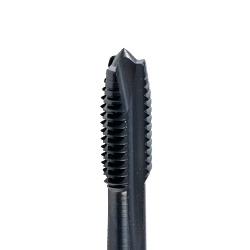
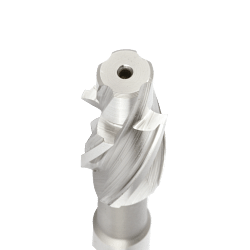
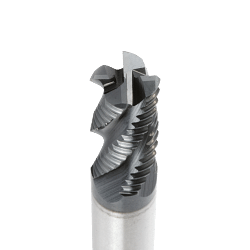
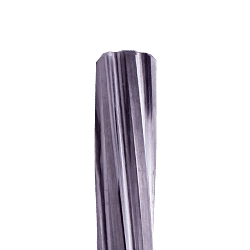
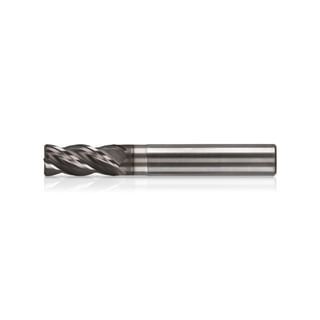
Introduction to solid carbide end mills
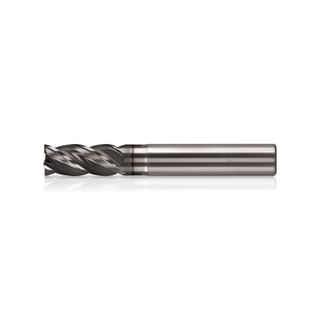
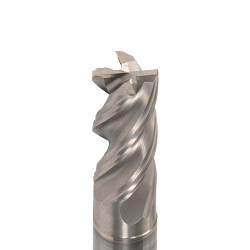
Solid carbide end mills represent one of the most advanced and versatile tools in the machining industry. Thanks to their composition and structure, these tools offer superior performance compared to traditional milling cutters, guaranteeing precision, durability and resistance. In this in-depth look, we will explore the FEATURES of solid carbide end mills, their use in machine shops, the advantages they offer and answer the most frequently asked questions on this topic.
Features of solid carbide end mills
Solid carbide end mills are made of an alloy of tungsten carbide and cobalt, which gives them exceptional hardness and wear resistance. This composition allows the cutters to maintain a sharp cutting edge even after numerous machining cycles, reducing the need for frequent replacement and improving operational efficiency. In addition, the structure of solid carbide end mills is designed to withstand the high temperatures generated during cutting operations, ensuring greater stability and precision.
Applications of solid carbide end mills in machine shops
Solid carbide end mills are used in a wide range of applications in machine shops. They are particularly popular for machining hard and abrasive materials, such as hardened steels, cast irons and special alloys. Due to their ability to maintain high cutting accuracy, they are used for complex milling, drilling and shaping operations where the quality of the end result is of paramount importance. In addition, solid carbide end mills are ideal for high-speed machining, reducing production time and increasing overall productivity.
Advantages of solid carbide end mills
The use of solid carbide end mills offers several advantages over traditional tools. First of all, their longer tool life means fewer replacements and, consequently, lower operating costs. In addition, the ability to maintain a sharp cutting edge allows for high quality machined surfaces, reducing the need for additional finishing operations. Solid carbide end mills are also able to operate at higher cutting speeds, improving production efficiency and reducing machining time. Finally, their resistance to high temperatures and wear ensures greater reliability and safety during milling operations.
Correct use of solid carbide end mills
To fully exploit the potential of solid carbide end mills, it is essential to adopt some correct operating practices. First of all, it is important to select the most suitable cutter for the material to be machined and the type of operation to be performed. In addition, it is essential to correctly set the cutting parameters, such as speed and feed, to avoid premature tool wear and ensure optimal machining. It is advisable to use appropriate lubricants to reduce friction and dissipate the heat generated during cutting. Finally, regular maintenance of cutters, such as cleaning and sharpening, will help prolong their service life and maintain high performance.
FAQ on solid carbide end mills
What are the main advantages of solid carbide end mills over traditional milling cutters?
Solid carbide end mills offer greater durability, wear resistance and cutting precision than traditional end mills, reducing operating costs and improving machining quality.
How do you choose the right solid carbide end mills for your needs?
The choice of solid carbide end mills depends on the material to be machined, the type of operation to be performed and the desired cutting parameters. It is important to consult the manufacturer's technical specifications to select the most appropriate tool.
What materials can be machined with solid carbide end mills?
Solid carbide end mills are ideal for machining hard and abrasive materials such as hardened steels, cast irons and special alloys, but can also be used on softer materials.
How is solid carbide end mills maintained?
Maintenance of solid carbide end mills includes regular cleaning, sharpening of the cutting edge and inspection for damage or wear. It is important to follow the manufacturer's instructions to ensure a long tool life.
What are the optimal cutting parameters for solid carbide end mills?
The optimal cutting parameters depend on the material to be machined and the type of operation. It is advisable to consult the manufacturer's reference tables to correctly set the speed and feed rate.
Can solid carbide end mills be used for high speed machining?
Yes, solid carbide end mills are designed to operate at high cutting speeds, improving production efficiency and reducing machining time.
What are the main causes of wear in solid carbide end mills?
The main causes of wear in solid carbide end mills include friction, high temperatures generated during cutting and the use of sub-optimal cutting parameters.
How can the service life of solid carbide end mills be extended?
To extend the life of solid carbide end mills, it is important to select the right tool, set the cutting parameters correctly, use appropriate lubricants and perform regular maintenance.
What are the differences between solid carbide end mills and high-speed steel mills?
Solid carbide end mills offer greater hardness and wear resistance than high-speed steel mills, making them more suitable for machining hard materials at high speeds.
Is it possible to sharpen solid carbide end mills?
Yes, solid carbide end mills can be sharpened to restore the cutting edge and extend their service life. However, it is important to use appropriate equipment and techniques to avoid damage to the tool.Read More Read Less