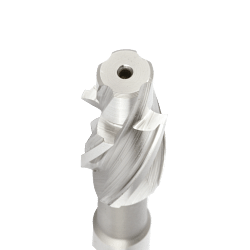
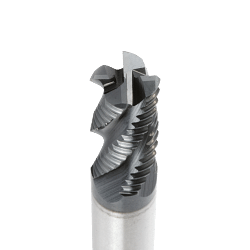
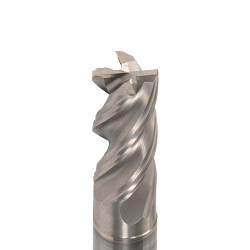
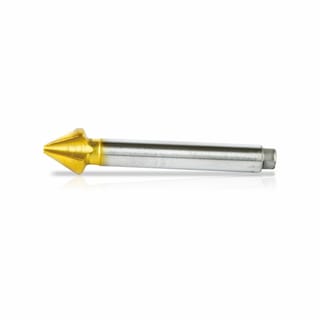
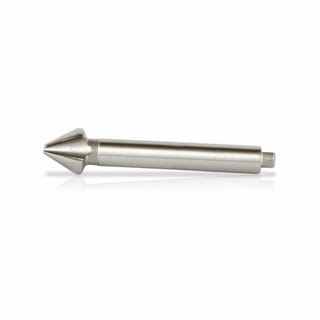
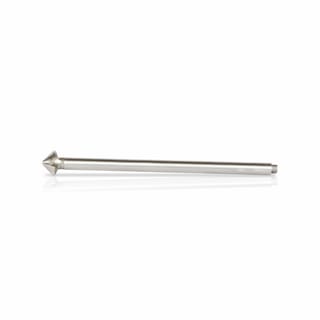
An introduction to countersinks: essential tools for the engineering industry
Countersinks are fundamental tools in the engineering workshop sector, used to create countersinks in materials, facilitating the insertion of screws and bolts. These tools are designed to ensure precision and efficiency, improving the quality of work and reducing production times. In this article, we will explore in detail what countersinks are, what they are used for, how to use them and what benefits they offer. We will also answer the most frequently asked questions to provide a comprehensive understanding of these indispensable tools.
What are countersinks and how do they work
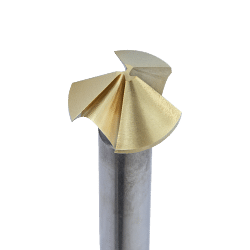
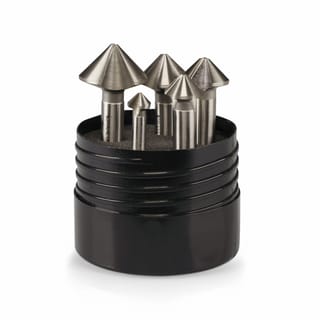
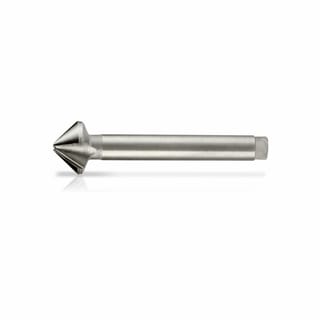
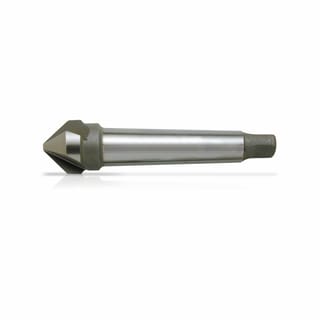
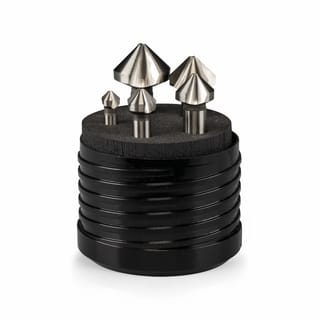
Countersinks are cutting tools used to create a countersink – that is, a conical hole – in metal or other materials. This process is essential for ensuring that screws and bolts sit flush with the surface, improving both the aesthetics and functionality of the final product. Countersinks are available in various shapes and sizes, each designed for specific applications and materials.
Countersinks operate by means of a rotary motion which, thanks to their conical shape, removes excess material to create a conical hole. This process requires precision and control, which is why countersinks are often used in conjunction with machine tools such as drill presses or milling machines.
Applications of countersinks in machine shops
In machine shops, countersinks are used in a wide range of operations. They are primarily used to prepare holes for countersunk screws, ensuring that the screw head sits flush with the surface of the material. This is particularly important in applications where aesthetics and aerodynamics are crucial, such as in the automotive and aerospace industries.
In addition, countersinks are used to remove burrs and sharp edges from holes, improving safety and the quality of the final product. They are also used to create countersinks on components requiring a precise fit, such as gears and bearings.
Types of countersinks and their features
There are several types of countersinks, each designed for specific requirements and materials. Among the most common are:
1. 90-degree countersinks: Ideal for standard countersunk screws, these countersinks are the most commonly used in machine shops.
2. 60-degree countersinks: Mainly used for specialised applications, such as creating internal threads.
3. Stepped countersinks: Designed to create countersinks of different sizes with a single tool, reducing tool-changing time.
4. Spiral countersinks: These offer a smoother cut and are ideal for harder or more brittle materials.
5. Hand countersinks: Used for manual operations, they offer greater control and precision in delicate applications.
Advantages of using countersinks
The use of countersinks offers numerous advantages in mechanical operations. Firstly, they improve the aesthetics of the final product by ensuring that screws sit flush with the surface. This not only enhances the product’s appearance but also reduces the risk of damage or wear caused by protrusions.
Furthermore, countersinks enhance product safety by removing sharp edges and burrs that could cause injury. They also improve the precision of the fit between components, reducing the risk of loosening or malfunction.
Finally, the use of efficient countersinks reduces production times, increasing productivity and lowering operating costs.
How to choose the right countersink for your needs
Choosing the right countersink depends on several factors, including the material to be machined, the type of screw used and the specific application. It is important to consider the material of the countersink itself, as harder materials such as cobalt steel or tungsten carbide offer greater durability and wear resistance.
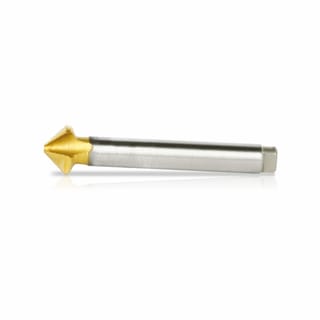
Furthermore, it is essential to choose the correct angle and size of the countersink to ensure a precise and secure fit. Finally, considering the use of countersinks with special coatings, such as titanium nitride, can improve the tool’s performance and service life.
Maintenance and care of countersinks
To ensure optimal performance and a long service life, it is essential to look after countersinks. After each use, it is important to clean the tool thoroughly to remove any material residue and to lubricate the cutting surfaces to prevent corrosion.
Furthermore, it is advisable to sharpen countersinks regularly to maintain a precise cut and reduce effort during use. Finally, store countersinks in a dry, protected place to avoid accidental damage or exposure to excessive moisture.
FAQs on countersinks
What is the difference between a 90-degree countersink and a 60-degree countersink?
90-degree countersinks are used for standard countersunk screws, whilst 60-degree countersinks are used for special applications such as internal threads.
How do I know which size countersink to use?
The size of the countersink depends on the diameter of the screw and the required countersink depth. It is important to consult the manufacturer’s technical specifications.
Can countersinks be used on plastic materials?
Yes, there are specific countersinks for plastics, designed to prevent cracks or damage during the countersinking process.
What are the most common materials used for countersinks?
Countersinks are commonly made from high-speed steel, cobalt steel and tungsten carbide, each with specific properties in terms of strength and durability.
Can a manual countersink be used on hard metals?
Yes, but it requires greater effort and control. It is advisable to use machine-operated countersinks for hard metals to ensure precision and safety.
How can I prevent burrs from forming during countersinking?
Using sharp countersinks and applying adequate lubrication can reduce burr formation. Furthermore, adjusting the cutting speed can improve results.
Can countersinks be used to create tapered holes in wood?
Yes, there are specific countersinks for wood, designed to ensure a clean and precise cut without splintering.
What is the average lifespan of a countersink?
Lifespan depends on the material of the countersink and how it is used. Tungsten carbide countersinks tend to last longer than steel ones.
Do countersink bits need to be lubricated during use?
Yes, lubrication reduces friction and heat, improving the quality of the cut and extending the tool’s life.
How can I sharpen a countersink?
Countersinks can be sharpened using specialised sharpening machines or manually with precision tools, following the manufacturer’s specifications.Read More Read Less