An introduction to end mills and inserts for straight flutes
In the world of machine shops, precision and efficiency are essential to ensuring the quality of the final product. Straight-fluted milling cutters and inserts are essential tools for achieving high-precision machining on both metallic and non-metallic materials. These tools are designed to produce clean, precise cuts, ensuring smooth surfaces and perfectly right angles. In this article, we will explore in detail what straight-fluted milling cutters and inserts are, what they are used for, how to use them, the benefits of using them, and we will answer the most frequently asked questions about these tools.
Features of right-angle face milling cutters and inserts
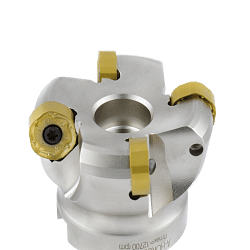
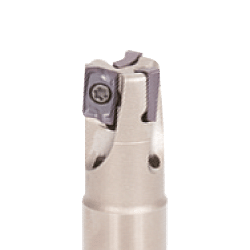
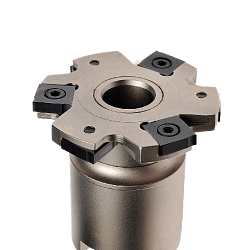
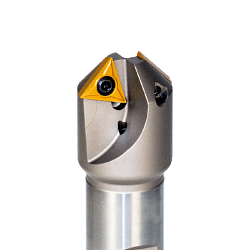
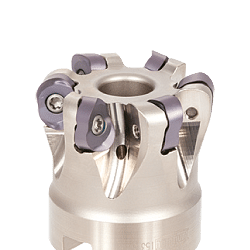
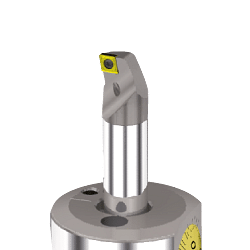
Straight-fluted milling cutters are cutting tools used primarily in milling operations. They are designed to create flat surfaces and right angles on workpieces. Inserts, on the other hand, are interchangeable components that are fitted onto the milling cutter to perform the cutting action. These inserts are made from highly durable materials, such as tungsten carbide, to ensure a long service life and optimal performance even on hard materials.
Straight-fluted end mills are available in various sizes and configurations, depending on the specific requirements of the job at hand. The inserts can have different cutting geometries, which affect the quality of the finish and the machining speed. Choosing the right combination of end mill and insert is crucial for achieving the best results.
Applications of straight-fluted milling cutters and inserts
Straight-fluted milling cutters and inserts are used across a wide range of industrial sectors. They are commonly used in the automotive and aerospace industries, in the manufacture of moulds and dies, and in many other machining applications. These tools are ideal for creating flat surfaces, grooves and shoulders on both metallic and non-metallic components.
In the automotive industry, for example, straight-fluted milling cutters are used for machining engine and transmission components, where precision is crucial to ensuring the vehicle functions correctly. In the aerospace industry, on the other hand, they are used for machining structural components that require extremely precise tolerances.
Advantages of using straight-fluted milling cutters and inserts
The use of straight-fluted milling cutters and inserts offers numerous advantages. Firstly, these tools enable high-quality surfaces with smooth and precise finishes to be achieved. The ability to produce clean cuts and right angles reduces the need for further finishing operations, saving time and costs.
Furthermore, straight-fluted milling cutters are designed to ensure a long service life and resistance to wear, reducing the frequency of tool changes and machine downtime. Interchangeable inserts allow the tool to be quickly adapted to different machining requirements, improving the flexibility and efficiency of the production process.
How to use straight-fluted milling cutters and inserts correctly
To achieve the best results with straight-fluted milling cutters and inserts, it is important to follow some basic guidelines. Firstly, it is essential to select the right combination of milling cutter and insert based on the material to be machined and the project specifications. The choice of insert material, cutting geometry and machining parameters will directly influence the quality of the final result.
During the milling operation, it is important to maintain an appropriate cutting speed and feed rate to prevent premature tool wear and ensure a high-quality finish. Furthermore, it is vital to constantly monitor the condition of the tools and replace worn inserts to maintain optimal performance.
Maintenance and care of straight-fluted milling cutters and inserts
Regular maintenance of straight-fluted milling cutters and inserts is essential to ensure long-lasting and reliable performance. After each use, it is important to clean the tools thoroughly to remove swarf and machining residues. The inserts must be inspected for any signs of wear or damage and replaced if necessary.
It is advisable to store milling cutters and inserts in a dry, dust-free environment to prevent corrosion and deterioration. Furthermore, it is important to follow the manufacturer’s recommendations regarding the lubrication and maintenance of the tools.
FAQs on straight-fluted milling cutters and inserts
Which materials can be machined using straight-fluted milling cutters and inserts?
Straight-fluted milling cutters and inserts can be used on a wide range of materials, including steel, aluminium, cast iron, titanium and composites.
How do I choose the right cutting geometry for the inserts?
The choice of cutting geometry depends on the material to be machined and the type of machining required. It is important to consult the manufacturer’s specifications to select the most suitable insert.
What are the optimal machining parameters for straight-fluted milling cutters?
The optimal machining parameters depend on the material to be machined, the insert geometry and the design specifications. It is advisable to follow the manufacturer’s recommendations to achieve the best results.
How can I extend the service life of straight-fluted inserts?
To extend the service life of the inserts, it is important to maintain an appropriate cutting speed and feed rate, monitor the condition of the tools and replace worn inserts promptly.
What are the signs of wear on straight-fluted inserts?
Signs of wear on inserts include a deterioration in surface finish, increased vibration during machining, and the presence of chipping or cracks on the insert.
Can straight-fluted inserts be re-sharpened?
Generally speaking, straight-fluted inserts are not designed to be re-sharpened. It is advisable to replace worn inserts with new ones to ensure optimum performance.
What are the advantages of tungsten carbide inserts?
Tungsten carbide inserts offer greater wear resistance and a longer service life than other materials, making them ideal for machining hard materials.
How can I improve the surface finish when using straight-fluted milling cutters?
To improve the surface finish, it is important to select the right combination of cutter and insert, maintain appropriate machining parameters and replace worn inserts promptly.
What are the differences between straight-fluted milling cutters and end mills?
Straight-fluted end mills are designed to create flat surfaces and right angles, whilst round-nose end mills are used for more general machining and can have different cutting geometries.
How can I reduce vibrations when machining with straight-fluted end mills?
To reduce vibrations, it is important to maintain an appropriate cutting speed and feed rate, use well-balanced tools and ensure that the machine is correctly secured.Read More Read Less