< Hand tools Hammers and mallets
An introduction to hammers and mallets: essential tools for industry
In the world of mechanical workshops, hammers and mallets are indispensable tools for a wide range of applications. Although these tools may seem simple, they are precision-engineered to meet the specific requirements of each operation. In this article, we will explore in detail what hammers and mallets are, what they are used for, how to use them and what benefits they offer in an industrial context.
What are hammers and sledgehammers?
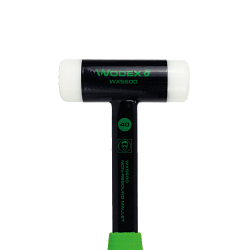
Hammers and sledgehammers are hand tools used to apply force to an object. Hammers generally consist of a heavy head attached to a handle, whilst sledgehammers have a wider, flatter head. Both tools are designed to strike, shape or deform materials such as metal, wood and plastic. The choice between a hammer and a mallet depends on the type of work to be carried out and the material being worked on.
Practical applications of hammers and sledgehammers in industry
In mechanical workshops, hammers and mallets are used in a wide range of applications. They are used to assemble components, remove damaged parts, shape metals and even for precision work. For example, ball-peen hammers are ideal for shaping metals, whilst rubber mallets are perfect for jobs requiring a gentle touch to avoid damaging materials.
How to use hammers and mallets correctly
Using hammers and mallets correctly is essential to ensure safety and efficiency. It is important to choose the right tool for the specific task and ensure it is in good condition. Before starting, check that the head is securely attached to the handle. During use, maintain a firm grip on the handle and strike with precision to avoid injury or damage to the material.
Advantages of using hammers and sledgehammers in industry
The use of hammers and sledgehammers offers numerous advantages in mechanical workshops. These tools are versatile, cost-effective and easy to use. They enable precision work to be carried out and allow controlled force to be applied to different materials. Furthermore, their simple design makes them durable and reliable tools, reducing the need for frequent maintenance.
Frequently asked questions about hammers and mallets
What is the difference between a hammer and a mallet?
The main difference lies in the shape and function of the head. Hammers have a smaller, heavier head, whilst sledgehammers have a wider, flatter head, ideal for more delicate strikes.
What materials are used for the heads of hammers and mallets?
Hammer heads are generally made of steel, whilst mallet heads can be made of rubber, plastic or wood, depending on the application.
How do you choose the right hammer for a specific job?
The choice depends on the material you are working on and the type of task. For example, a ball-peen hammer is ideal for shaping metal, whilst a rubber mallet is preferable for working on delicate surfaces.
What safety precautions should be followed when using hammers and mallets?
Always wear safety goggles, check that the head is securely attached to the handle, and use the appropriate tool for the specific job.
Can hammers and mallets be used on different materials?
Yes, but it is important to choose the right tool for the specific material to avoid damage. For example, a rubber mallet is ideal for delicate materials.
How do you keep hammers and mallets in good condition?
Clean the tools regularly, check that the head is securely attached and replace the handle if it is damaged.
What are the signs that a hammer or mallet needs replacing?
Signs of excessive wear on the head, or a damaged or loose handle, are indicators that the tool needs replacing.
What are the standard sizes for hammers and mallets?
Sizes vary depending on the application, but standard hammers have heads weighing between 200 and 1500 grams, whilst sledgehammers can vary considerably depending on the head material.
Can hammers and sledgehammers be customised to meet specific requirements?
Yes, many companies offer the option to customise these tools to suit the user’s specific requirements.
What are the recent innovations in hammers and sledgehammers?
Recently, composite materials have been introduced to reduce weight and improve ergonomics, alongside vibration-absorbing designs to minimise user fatigue.
In conclusion, hammers and sledgehammers are essential tools in mechanical workshops, offering versatility and precision across a wide range of applications. Choosing and using them correctly can
significantly improve work efficiency and safety.Read More Read Less