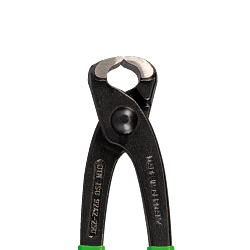
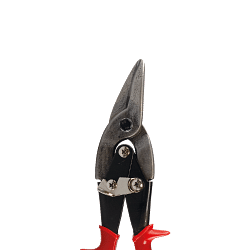
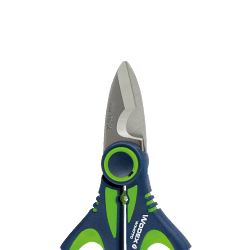
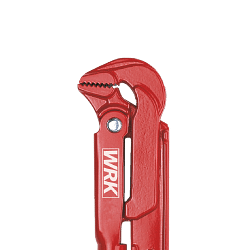
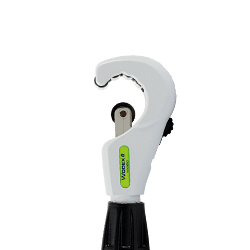
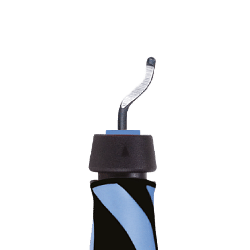
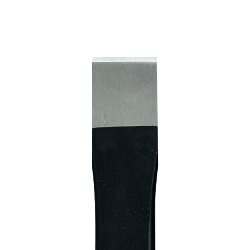
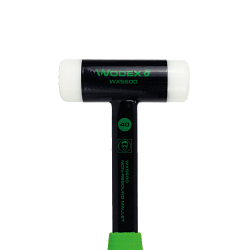
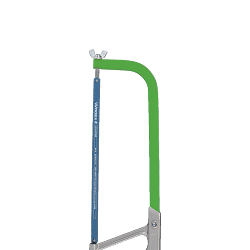
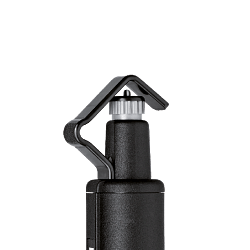
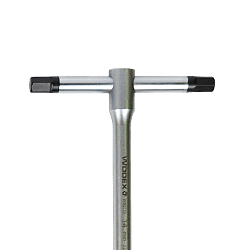
An introduction to cutters: essential tools for engineering workshops
In the world of mechanical workshops, efficiency and precision are key to ensuring the quality of the work carried out. Among the most widely used and valued tools in this sector are cutters. These tools, known for their versatility and precision, are indispensable for a wide range of applications. In this article, we will explore in detail what cutters are, what they are used for, how to use them and what benefits they offer. Furthermore, we will answer the most frequently asked questions to provide a comprehensive understanding of these essential tools.
What are cutters and what are their main features
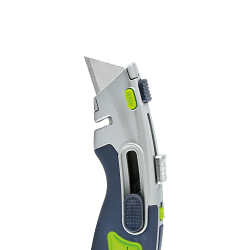
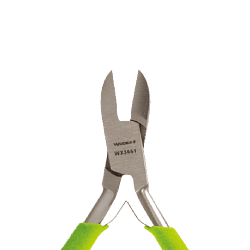
Cutters are cutting tools designed to make precise cuts in various materials. They are commonly used in machine shops to cut metals, plastics, rubber and other industrial materials. They generally consist of a sharp blade and an ergonomic handle that allows for optimal control during use. Cutters can vary in size and design, depending on specific cutting requirements.
The main features of cutters include blade hardness, wear resistance and the ability to maintain a sharp edge even after prolonged use. These features make them ideal tools for jobs requiring precision and reliability.
Applications of cutters in mechanical workshops
Cutters are used in a wide range of operations within mechanical workshops. They are used to trim excess material, finish edges, make precise incisions and prepare components for further processing. Thanks to their versatility, cutters can be employed in production, maintenance and repair processes.
In particular, cutters are essential for metalworking, where cutting precision is crucial to ensuring the structural integrity of components. Furthermore, they are used in the machining of composite materials, where a gentle cut is vital to prevent damage to the material.
How to use cutters correctly
The correct use of cutters is vital to ensure the operator’s safety and the quality of the work carried out. Before using a cutter, it is important to wear personal protective equipment, such as gloves and safety goggles, to prevent accidents.
To use a cutter, position the blade on the material to be cut and apply even pressure along the desired cutting line. It is essential to maintain a constant angle whilst cutting to ensure a precise cut. After use, the cutter blade must be cleaned and, if necessary, sharpened to maintain its efficiency.
Advantages of using cutters in mechanical workshops
The use of cutters in mechanical workshops offers numerous advantages. Firstly, the precision of the cut ensures high-quality results, minimising material waste. Furthermore, cutters are versatile tools that can be used on a wide range of materials, making them indispensable for a variety of applications.
Another significant advantage is how easy cutters are to use. Thanks to their ergonomic design, they can be used with ease even by less experienced operators. Finally, cutters are durable tools that require minimal maintenance, making them a cost-effective investment for mechanical workshops.
Frequently asked questions about cutters
What types of cutters are available on the market?
There are several types of cutters, including fixed-blade cutters, retractable-blade cutters and rotary cutters, each designed for specific cutting applications.
How do you sharpen a cutter blade?
A cutter’s blade can be sharpened using a whetstone or an electric sharpener, following the blade’s original angle to maintain its effectiveness.
What materials can be cut with a cutter?
Cutters can be used to cut a variety of materials, including metals, plastics, rubber, paper and fabrics.
What is the difference between a fixed-blade cutter and a retractable-blade cutter?
A fixed-blade cutter has a blade that remains exposed at all times, whilst a retractable-blade cutter allows the blade to be retracted when not in use for greater safety.
How do you choose the right cutter for a specific application?
Choosing the right cutter depends on the material to be cut, the level of precision required and the operator’s personal preferences.
Are cutters safe to use?
Yes, cutters are safe to use provided the correct safety procedures are followed, such as wearing personal protective equipment and carrying out regular blade maintenance.
What are the best practices for maintaining cutters?
Best practice includes regular cleaning of the blade, periodic sharpening and replacing the blade when necessary to ensure optimum performance.
Can cutters be used to cut thick materials?
Yes, cutters can be used to cut thick materials, but it is important to choose a suitable blade and apply the right amount of pressure whilst cutting.
What are the risks associated with using cutters?
The risks include accidental cuts and blade injuries, which can be prevented by following the correct safety procedures and using protective equipment.
How should a cutter be stored when not in use?
A cutter should be stored in a safe place, with the blade retracted or covered, to prevent accidents and keep the blade in good condition.Read More Read Less