< Measuring and precision tools Threaded rings
Threaded control rings: precision and reliability for the machine industry
In the world of machine shops, precision is a crucial element that determines the quality and reliability of finished products. Threaded control rings are an essential tool for ensuring that threads meet the required quality standards. These measuring instruments are designed to check the conformity of threads, ensuring that each mechanical component fits perfectly into the overall system.
What are threaded check rings?
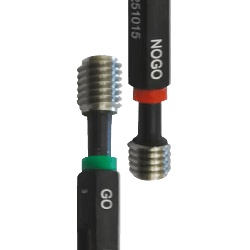
Thread control rings are measuring instruments used to check the accuracy of external threads on screws, bolts and other threaded components. These rings are made from high quality materials and are designed to resist wear, ensuring accurate and reliable measurements over time. Their main function is to check the pitch, diameter and shape of the thread, ensuring that they meet the required specifications.
The importance of thread control rings in machine shops
In machine shops, the quality of threads is crucial for the proper functioning of mechanical components. Defective threads can compromise the structural integrity of a system, leading to malfunctions or even failures. Thread control rings allow any defects in threads to be identified, enabling prompt action to be taken to correct them. This not only improves the quality of the end product, but also reduces the costs associated with repairs and replacements.
How are threaded control rings used?
The use of threaded control rings is relatively simple, but requires care and precision. First of all, it is important to select the correct ring according to the specifications of the thread to be checked. Once the appropriate ring has been selected, proceed by inserting it on the thread to be checked. If the ring tightens without difficulty and without excessive play, the thread conforms to the standard. If not, further checks must be carried out and corrections made if necessary.
Advantages of using threaded control rings
The adoption of threaded control rings in machine shops offers numerous advantages. First of all, they guarantee a high level of measurement accuracy, minimising the risk of errors. In addition, they help to improve production efficiency, as they allow any defects in threads to be quickly identified and corrected. This translates into reduced downtime and increased overall productivity. Finally, the use of these measurement tools helps maintain high quality standards, enhancing the company's reputation and increasing customer satisfaction.
Frequently asked questions about threaded control rings
1. What are the most common materials used in the production of threaded control rings?
Threaded control rings are generally made of hardened steel, which offers excellent wear resistance and ensures accurate and reliable measurements over time.
2. How do you maintain control threaded rings?
Maintenance of threaded control rings is essential to ensure their longevity and accuracy. It is important to clean them regularly to remove any machining residue and to lubricate them to prevent corrosion.
3. What is the difference between a threaded control ring and a plug gauge?
While threaded check rings are used to check external threads, plug gauges are designed to check internal threads. Both instruments are essential to ensure the quality of threads in mechanical components.
4. Can control thread rings be used for non-standard threads?
Yes, it is possible to make customised threaded inspection rings for non-standard threads, while still guaranteeing a high level of measurement accuracy.
5. What are the relevant standards for threaded control loops?
Inspection threaded rings must comply with international standards, such as ISO and DIN, which define the technical specifications and quality requirements for these measuring instruments.
In conclusion, threaded inspection rings are indispensable tools for machine shops that focus on the quality and reliability of their products. Thanks to their ability to guarantee precise measurements and identify possible defects in threads, these tools help to improve production efficiency and maintain high quality standards. Investing in high-quality thread inspection rings is a strategic choice that can make all the difference in the success of a company in the mechanical industry.
Read More Read Less