< Measuring and precision tools Reset benches
Precision gauging benches are an essential element in the context of modern machine shops, where precision and reliability are prerequisites. These instruments are designed to ensure that machine tools are perfectly calibrated, thus enabling high quality machining and minimising production errors. In this in-depth look, we will explore in detail what precision zeroing benches are, what they are used for, how they are used, the advantages they offer and answer some of the most frequently asked questions on this topic.
Understanding precision zeroing benches
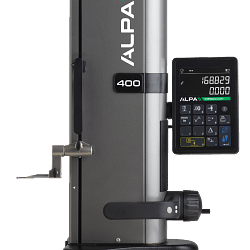
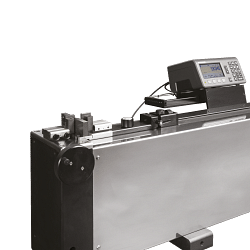
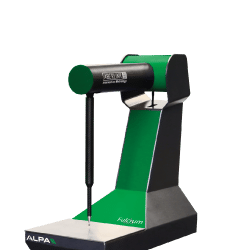
Precision zeroing benches are devices used to calibrate and verify the accuracy of machine tools. These tools are essential to ensure that machines are able to perform machining with extremely tight tolerances, a key requirement in industries such as aerospace, automotive and precision engineering. Zero-setting benches are designed to be robust and reliable, often made from high quality materials such as hardened steel or cast iron, to resist wear and maintain their accuracy over time.
Operation and use of zeroing benches
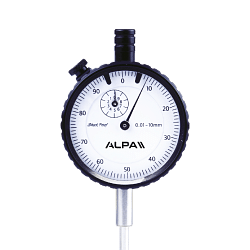
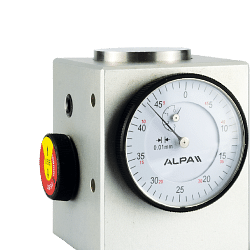
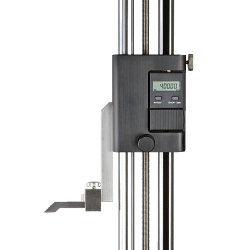
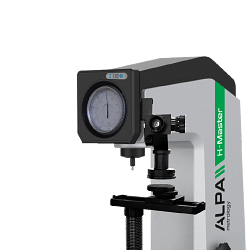
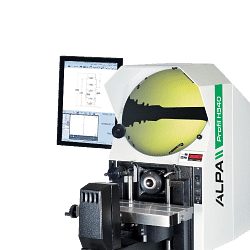
The operation of precision zeroing benches is based on mechanical and optical principles. They are equipped with extremely flat reference surfaces and high-precision measuring instruments, such as dial gauges or micrometers, which allow even the smallest deviations from the ideal calibration to be detected. The use of these benches requires specific technical skills, as it is necessary to position the workpiece correctly and to accurately interpret the readings of the measuring instruments.
Advantages of using precision zeroing benches
The adoption of precision zero-setting benches offers several advantages to machine shops. Firstly, they ensure greater accuracy in machining, reducing the risk of errors and production waste. This translates into an improvement in the quality of the final product and greater customer satisfaction. Furthermore, the use of zero-setting benches optimises production time, as correctly calibrated machine tools require less adjustment work during the production process.
Frequently asked questions about precision zeroing benches
1. What are the main applications of precision zero-setting benches?
Precision zeroing benches are mainly used in machine shops to calibrate machine tools such as lathes, milling machines and grinding machines. They are essential in industries that require very tight tolerance machining, such as the aerospace and automotive industries.
2. How are precision zero-setting benches maintained?
Maintenance of precision datum benches is essential to ensure their longevity and reliability. It is important to regularly clean the reference surfaces and measuring instruments, as well as periodically checking the calibration of the bench itself.
3. What are the criteria for choosing a precision zeroing bench?
The choice of a precision calibration bench depends on several factors, including the specific machining requirements, the type of machine tools to be calibrated and the available budget. It is important to consider the quality of the materials, the accuracy of the measuring instruments and the reputation of the manufacturer.
Conclusions
Precision gauging benches are indispensable tools for machine shops that strive for machining excellence. Thanks to their ability to ensure accurate calibration of machine tools, they help to improve the quality of the end product, reduce production time and increase the competitiveness of the company. Investing in high-quality precision zeroing benches is a strategic choice that can make all the difference in the success of a machine shop.
Read More Read Less