< Measuring and precision tools Professional, digital dynamometers
Professional digital dynamometers are an essential tool for modern machine shops, where precision and reliability are essential to guarantee the quality of the work performed. These devices, which measure force or weight, are used in a wide range of industrial applications, from calibrating machinery to checking cable tension. Their importance has grown exponentially as technology has advanced, making them indispensable to anyone working in the mechanical industry.
Understanding digital dynamometers
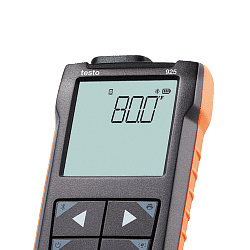
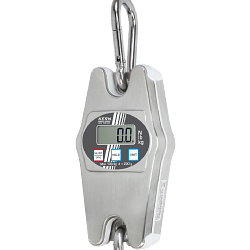
Digital dynamometers are measuring instruments that convert an applied force into an electrical signal, which is then displayed on a digital display. This technology offers superior accuracy compared to analogue dynamometers, eliminating the uncertainties associated with manual scale reading. Their structure generally consists of a force sensor, an amplifier and a digital display. The force sensor, often a strain gauge, detects the deformation caused by the applied force and converts it into an electrical signal. This signal is amplified and converted into a readable numerical value.
Practical applications in machine shops
In machine shops, digital dynamometers are used in numerous activities. They are used to test the strength of materials, check the tension of drive belts and calibrate measuring instruments. In addition, they are essential for ensuring that mechanical components are assembled with the correct tension, preventing failures and improving operational safety. Their ability to provide accurate and reliable measurements makes them irreplaceable tools for engineers who must ensure the quality and safety of finished products.
Benefits of digital dynamometers
The adoption of digital dynamometers in machine shops offers several advantages. First of all, the accuracy of measurements is significantly improved compared to analogue models. This is particularly important in critical applications where even a small deviation can lead to disastrous results. In addition, digital dynamometers are generally easier to use, with clear displays and intuitive functions that reduce the margin for human error. The ability to store measurement data allows detailed analysis and full traceability, facilitating quality management and regulatory compliance.
Proper use of digital dynamometers
To get the most out of digital dynamometers, it is essential to use them correctly. First of all, it is important to calibrate the instrument regularly to ensure that measurements are always accurate. Calibration must be performed according to the manufacturer's specifications and, if necessary, by a qualified technician. Furthermore, it is essential to follow the manufacturer's instructions for use, paying particular attention to the correct application of force and maintenance of the instrument. Improper use can lead to incorrect measurements and, consequently, to wrong decisions.
Frequently asked questions about digital dynamometers
One of the most common questions concerns the difference between digital and analogue dynamometers. While analogue dynamometers use a graduated scale to indicate the measured force, digital models offer a direct reading on a display, eliminating parallax error. Another frequently asked question concerns the battery life of digital dynamometers. Most modern models are equipped with rechargeable batteries that offer sufficient autonomy for prolonged use, but it is always advisable to have a spare battery to avoid interruptions during critical operations.
Conclusions
In summary, professional digital dynamometers are indispensable tools for machine shops striving for excellence. Their accuracy, reliability and ease of use make them ideal for a wide range of applications, ensuring that every mechanical component is tested and calibrated with the utmost accuracy. Investing in high-quality digital dynamometers is a strategic choice that can significantly improve the quality of work and operational safety, contributing to the long-term success of the workshop.
Read More Read Less