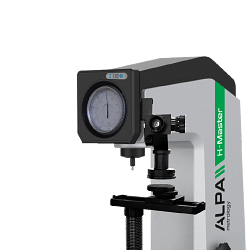
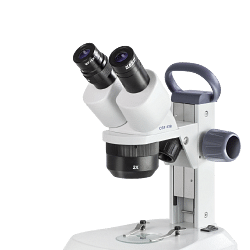
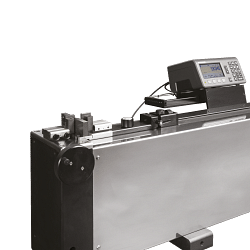
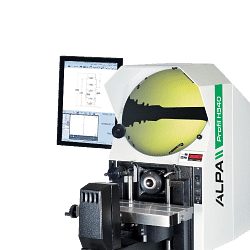
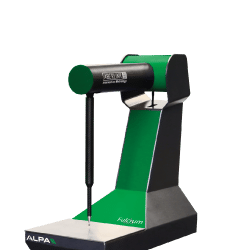
Microscopes, lenses and precision viewers: essential tools for the mechanical engineering industry
In the beating heart of machine shops, where precision is the key to success, optical instruments such as microscopes, lenses and precision viewers play a crucial role. These devices not only improve the quality of work, but are also crucial in ensuring that every component produced meets the highest standards. In this in-depth look, we will explore the importance of these tools, how they work and the benefits they offer the mechanical engineering industries.
The importance of precision in the mechanical industry
In the mechanical industry, precision is not just a goal, but a necessity. Every component must be manufactured with minimum tolerances to ensure the proper functioning of machines and the safety of operators. Precision optical instruments, such as microscopes, lenses and viewers, are essential to achieve this level of accuracy. They enable operators to examine microscopic details, identify defects and ensure that each part conforms to the required specifications.
Microscopes: a detailed view of the microscopic world
Microscopes are optical instruments that enable small objects to be magnified, making visible details otherwise invisible to the naked eye. In the mechanical industry, microscopes are used for surface inspection, material analysis and quality control. They make it possible to identify micro-cracks, impurities and other defects that could impair the functionality of a component.
Optical microscopes, in particular, are widely used for their ability to provide high-resolution images. They use lenses to magnify the image of an object, allowing operators to examine details with precision. Electron microscopes, on the other hand, offer even higher magnifications and are used for more detailed analyses, such as studying the crystal structure of materials.
Precision lenses: the key to accurate observation
Precision lenses are fundamental components of many optical instruments, including microscopes and viewers. They are designed to focus light precisely, allowing clear and detailed observation. Precision lenses are used in a variety of applications in the mechanical industry, from quality control to the design of new components.
Lens quality is crucial to ensure accurate observation. Precision lenses are made from high-quality materials and are subjected to rigorous testing to ensure that they are free of defects. They are designed to minimise optical aberrations, ensuring sharp and detailed images.
Precision Visors: instruments for quality control
Precision visors are optical instruments used for inspection and quality control of mechanical components. They make it possible to compare a part with a reference model, identifying any discrepancies. Precision viewers are particularly useful for the inspection of complex components, where even a small deviation from specifications can have significant consequences.
These instruments are equipped with advanced lighting systems and high quality lenses, which allow detailed observation. Precision viewers are used in a variety of industries, from the production of automotive components to the manufacture of electronic devices.
Advantages of using precision optical instruments
The use of microscopes, lenses and precision viewers offers numerous advantages to mechanical engineering industries. First of all, they improve the quality of the final product, allowing defects to be identified and corrected before components are assembled. This not only reduces production costs, but also increases customer satisfaction.
Furthermore, these tools improve the efficiency of the production process. They enable operators to work with greater precision, reducing the risk of errors and increasing productivity. Finally, the use of precision optical tools contributes to improved safety at work, reducing the risk of accidents caused by faulty components.
Frequently asked questions about precision optical instruments
1. What is the difference between an optical microscope and an electron microscope?
- Optical microscopes use light to magnify the image of an object, whereas electron microscopes use a beam of electrons. Electron microscopes offer higher magnifications and are used for more detailed analysis.
2. How do I choose the right precision lenses for a specific application?
- The choice of precision lenses depends on the specific application and observation requirements. It is important to consider factors such as the required magnification, image quality and lighting conditions.
3. What are the main advantages of precision spectacles?
- Precision viewers offer detailed and accurate inspection of components, allowing discrepancies from a reference model to be identified. They improve the quality of the final product and increase the efficiency of the production process.
4. How do you maintain precision optical instruments in good condition?
- It is important to regularly clean lenses and optical surfaces with appropriate materials to avoid scratches and damage. In addition, instruments should be stored in a controlled environment to prevent the accumulation of dust and moisture.
5. Which sectors benefit most from the use of precision optical instruments?
- Precision optical instruments are used in a wide range of industries, including automotive, electronics, aerospace and medical device manufacturing. They are essential wherever high precision and quality is required.
In conclusion, precision microscopes, lenses and viewers are indispensable tools for machine shops. They not only improve the quality of the final product, but also increase the efficiency and safety of the production process. Investing in precision optical instruments is a strategic choice for any company wishing to maintain a competitive advantage in the global market.
Read More Read Less