< Measuring and precision tools Bore gauges
Bore gauges for precision measurements: a complete guide for machine shops
In the world of machine shops, precision is a crucial element that determines the quality of the work performed. As essential measuring instruments, bore gauges play a key role in ensuring that measurements are accurate and reliable. In this in-depth look, we will explore in detail what bore gauges are, how they are used, the advantages they offer and answer frequently asked questions about these indispensable instruments.
Introduction to bore gauges
Reamers are measuring instruments used to determine the inside diameter of a bore with extreme precision. These instruments are essential in many industrial applications, especially in machine shops, where the accuracy of measurements can directly influence the quality of the final product. Bore gauges are available in several variants, each designed to meet specific measurement requirements.
Types of bore gauges
There are different types of bore gauges, each with unique characteristics that make them suitable for specific applications. Among the most common are:
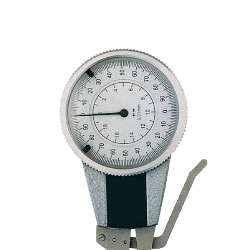
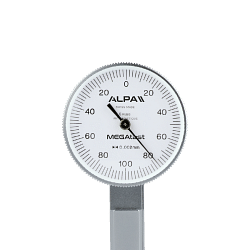
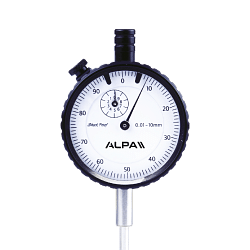
1. Dial indicator bore gauges: These instruments use a dial indicator to measure the internal diameter of a bore. They are ideal for precision measurements where immediate visual feedback is required.
2. Micrometer bore gauges: These instruments combine the accuracy of a micrometer with the ability to measure inside diameters. They are particularly useful for measurements requiring a high degree of accuracy.
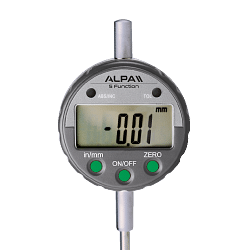
3. Digital bore gauges: Equipped with a digital display, these instruments offer precise readings that are easy to interpret. They are ideal for modern work environments where digitisation of data is essential.
Use of bore gauges in machine shops
The use of bore gauges in machine shops is essential to ensure that the components produced meet the required specifications. These instruments are used in various processes, including:
- Quality control: Bore gauges are used to check that the components produced comply with the dimensional tolerances specified in the technical drawings.
- Maintenance and repair: During maintenance operations, bore gauges help determine the wear of components and decide whether they need to be replaced or repaired.
- Production: During production, bore gauges are used to constantly monitor component dimensions, ensuring that each part produced conforms to quality standards.
Advantages of using bore gauges
The use of bore gauges offers numerous advantages, including:
- Accuracy: Bore gauges are designed to provide extremely precise measurements, minimising errors and improving the quality of the final product.
- Efficiency: Due to their ease of use, bore gauges allow quick measurements, increasing the efficiency of the production process.
- Versatility: Available in different variants, bore gauges can be used for a wide range of applications, making them extremely versatile tools.
- Reliability: Bore gauges are built to withstand the harsh conditions of machine shops, ensuring reliable measurements over time.
Frequently asked questions about bore gauges
1. What is the difference between a dial indicator bore gauge and a micrometer bore gauge?
Dial indicator bore gauges use an indicator to provide an immediate visual reading of the measured diameter, while micrometer bore gauges combine the accuracy of a micrometer with the ability to measure inside diameters, providing a more detailed reading.
2. How do you calibrate a bore gauge?
Calibrating a bore gauge is a critical process that ensures measurement accuracy. Usually, a calibration ring of known dimensions is used to adjust the instrument until a correct reading is obtained.
3. What are the most common applications of bore gauges?
Bore gauges are commonly used in quality control, maintenance and repair, and production applications where measurement accuracy is essential.
4. Are digital bore gauges more accurate than analogue ones?
Digital bore gauges offer the advantage of easy-to-interpret readings and can reduce human errors associated with reading analogue instruments. However, accuracy depends on the quality of the instrument and correct calibration.
5. What materials can be measured with a bore meter?
Bore gauges can be used to measure a wide range of materials, including metals, plastics and ceramics, provided the material is rigid enough to maintain a stable form during measurement.
Conclusion
Reamers for precision measurements are indispensable tools in machine shops, where quality and accuracy of measurements are paramount. With a thorough understanding of the different types of bore gauges and their applications, workshops can significantly improve the quality of their products and the efficiency of their production processes. Whether for quality control, maintenance or production, bore gauges offer the precision and reliability needed to meet the demands of modern industry.
Read More Read Less