< Hand tools Metric wheels
An introduction to metric calipers: an essential tool for engineering workshops
Metric calipers are a fundamental component in the world of mechanical workshops. These tools, which are often underestimated, play a crucial role in ensuring precision and efficiency in production processes. In this article, we will explore in detail what metric calipers are, what they are used for, how to use them and what advantages they offer. We will also answer the most frequently asked questions to provide a comprehensive understanding of this important tool.
What are metric measuring wheels?
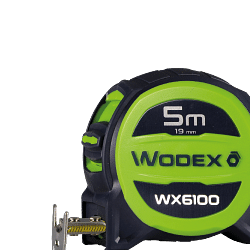
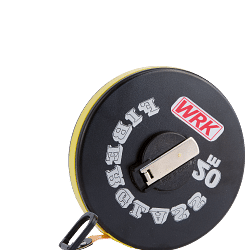
Metric tape measures are measuring tools used primarily to determine lengths and distances in industrial settings. They consist of a flexible tape, usually made of steel or a composite material, which is graduated in metric units. This tape is wound inside a casing that allows it to be easily unrolled and rewound. Metric tape measures are designed to withstand harsh working conditions, making them ideal for use in engineering workshops and industrial environments.
Use of metric tape measures in engineering workshops
In mechanical workshops, metric measuring tapes are used for a variety of applications. They are essential for measuring components, checking the accuracy of machining operations and ensuring that the parts produced meet the required specifications. Thanks to their ability to provide accurate measurements, metric measuring wheels help to reduce errors and improve the overall quality of finished products.
Advantages of metric wheels
The use of metric calipers offers numerous advantages. Firstly, their precision ensures reliable measurements, reducing the risk of costly errors. Furthermore, their robustness makes them suitable for demanding working conditions, guaranteeing a long service life. Metric castors are also easy to use, making them accessible to operators of varying levels of experience. Finally, their versatility makes them suitable for a wide range of applications, from routine measurements to more complex operations.
How to choose the right metric tape measure
Choosing the right metric tape measure depends on several factors, including the tape length, the construction material and additional features such as a tape lock or water resistance. It is important to consider the working environment and specific measurement requirements in order to select the most suitable tool. Metric tape measures are available in various lengths, generally ranging from 2 to 100 metres, and in various materials, each with its own advantages in terms of durability and flexibility.
Maintenance and care of metric tape measures
To ensure the longevity and accuracy of metric tape measures, regular maintenance is essential. After each use, it is advisable to clean the tape to remove dust and debris that could compromise the accuracy of measurements. Furthermore, it is important to store metric tape measures in a dry place to prevent corrosion. Periodically checking the condition of the tape and the rewind mechanism will help to keep the instrument in perfect working order.
Innovations in the design of metric tape measures
In recent years, the design of metric tape measures has undergone significant innovations. Manufacturers have introduced lighter and more durable materials, improving portability and longevity. Some models are fitted with digital displays that provide immediate and accurate readings, whilst others offer advanced features such as Bluetooth connectivity for transferring data to mobile devices. These innovations make metric tape measures even more versatile and well-suited to the modern needs of mechanical workshops.
FAQs on metric calipers
What is the difference between a metric wheel and a tape measure?
The main difference lies in the unit of measurement used. Metric wheels use the metric system, whilst tape measures can use either the metric or imperial system.
How do you calibrate a metric wheel caliper?
Calibrating a metric wheel requires the use of a known reference standard. It is important to follow the manufacturer’s instructions to ensure accurate measurements.
Are metric wheel measures water-resistant?
Many models of metric tape measures are designed to be water-resistant, but it is always advisable to check the product specifications before purchasing.
What is the maximum length available for a metric tape measure?
Metric tape measures are available in various lengths, with models reaching up to 100 metres.
Can I use a metric tape measure to measure curved surfaces?
Yes, metric tape measures are flexible and can be used to measure curved surfaces, provided the tape is kept taut.
How do you repair a damaged tape measure?
Repairing a tape measure depends on the type of damage. In some cases, it may be necessary to replace the tape or the rewind mechanism.
Are tape measures suitable for outdoor use?
Yes, many tape measures are designed to withstand outdoor conditions, but it is important to choose a model suitable for the specific environment.
What materials are used for the tape on measuring wheels?
Tape measure tapes are generally made from steel, fibreglass or composite materials, each offering specific advantages in terms of strength and flexibility.
How should a metric tape measure be stored correctly?
It is advisable to store metric tape measures in a dry, clean place, away from sources of heat and damp, to prevent damage and corrosion.
What additional features should be considered when buying a tape measure?
As well as length and material, it is worth considering features such as tape locking, water resistance and the presence of a digital display to make measurements easier.Read More Read Less