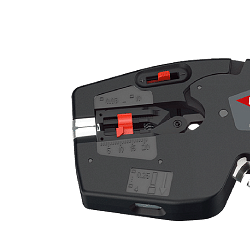
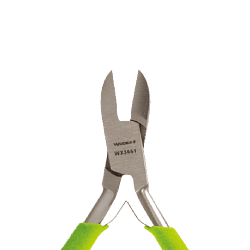
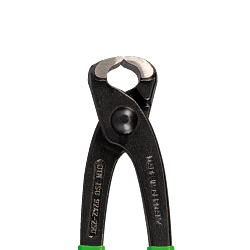
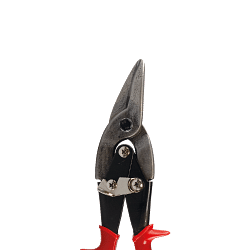
< Hand tools Workshop pliers
An introduction to workshop pliers
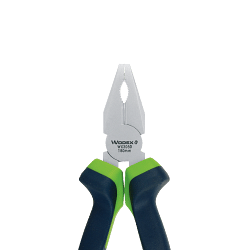
Workshop pliers are an essential tool for any mechanical workshop. Designed to grip, bend, cut and manipulate various types of materials, these tools are indispensable for ensuring precision and safety in day-to-day operations. In this article, we will explore in detail the features, applications and benefits of workshop pliers, providing a comprehensive guide to their optimal use.
Features of workshop pliers
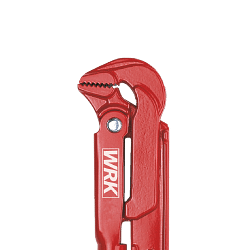
Workshop pliers are available in a wide range of models, each designed for specific applications. Key features include jaw length, handle type, construction material and the presence of additional mechanisms such as return springs or locking systems. The jaws can be straight, curved or angled, depending on operational requirements. An ergonomic handle is essential to ensure comfort and reduce fatigue during prolonged use.
Applications of workshop pliers
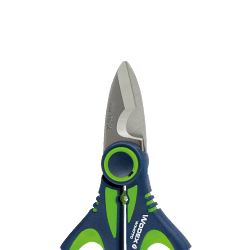
Workshop pliers are used across a wide range of sectors, including the automotive, electronics, metalworking and industrial maintenance industries. They are used for clamping, bending and cutting wires and cables, as well as for handling delicate components. The versatility of these tools makes them indispensable for technicians and mechanics who require precision and reliability.
Advantages of workshop pliers
Using workshop pliers offers numerous advantages, including the ability to carry out complex tasks with ease and precision. The robustness of the materials used in their construction ensures a long service life and resistance to wear and tear. Furthermore, the pliers are designed to minimise the risk of injury, thanks to ergonomic handles and built-in safety mechanisms. Their versatility allows a wide range of tasks to be tackled with a single tool, thereby optimising operational efficiency.
How to use workshop pliers correctly
To get the most out of workshop pliers, it is essential to use them correctly. Before you begin, it is important to select the model of pliers best suited to the task at hand. Ensure that the jaws are clean and free from debris to guarantee a secure grip. During use, apply even and controlled pressure to avoid damaging materials or the pliers themselves. After use, clean and lubricate the pliers to keep them in optimal condition.
Maintenance of workshop pliers
Regular maintenance of workshop pliers is essential to ensure their longevity and efficiency. After each use, it is advisable to clean the jaws and handle with a dry cloth to remove dust and residue. Lubricate the moving parts periodically to prevent wear and corrosion. Store the pliers in a dry, protected place to avoid accidental damage.
Frequently asked questions about workshop pliers
What are the most common materials used for workshop pliers?
Workshop pliers are generally made from carbon steel or stainless steel, materials that offer strength and durability.
How do you choose the right pliers for a specific job?
The choice of pliers depends on the type of job to be carried out. Consider the shape of the jaws and the length of the handle according to your operational requirements.
Can workshop pliers be used to cut electrical cables?
Yes, there are specific pliers designed for cutting electrical cables, fitted with sharp, insulated blades to ensure safety.
What is the difference between long-nose pliers and short-nose pliers?
Long-nose pliers are ideal for reaching into tight spaces, whilst short-nose pliers offer greater leverage and gripping force.
How can you improve the grip of workshop pliers?
Use pliers with ergonomic, rubber-coated handles to improve grip and reduce fatigue.
Can the jaws of workshop pliers be sharpened?
Yes, the jaws can be sharpened using specialised tools, but it is advisable to leave this to professionals to avoid causing damage.
Are workshop pliers suitable for precision work?
Yes, there are pliers designed specifically for precision work, with thin, tapered jaws.
What safety precautions should be taken when using workshop pliers?
Always wear safety goggles and gloves to prevent injury whilst using pliers.
How can damage to workshop pliers be prevented?
Avoid using pliers for tasks for which they are not designed and store them correctly after use.
Can workshop pliers be used on delicate materials?
Yes, but it is important to choose pliers with coated jaws or those designed for delicate materials to prevent damage.Read More Read Less