An introduction to chisels: essential tools for engineering workshops
Chisels are fundamental tools in engineering workshops, used for a variety of applications ranging from metalworking to woodcarving. Although simple in design, these tools offer a level of precision and versatility that makes them indispensable for professionals in the sector. In this article, we will explore in detail what chisels are, what they are used for, how to use them and what advantages they offer. We will also answer ten frequently asked questions to clear up any doubts about these tools.
What are chisels and how are they made?
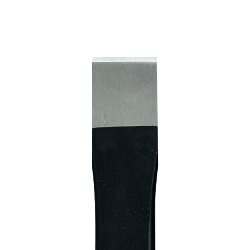
Chisels are hand tools consisting of a sharp blade and a handle. The blade is generally made of hardened steel, which ensures strength and durability. The handle can be made of wood, plastic or metal, depending on the user’s specific needs and the type of work to be carried out. Chisels come in various shapes and sizes, each designed for a specific application, such as roughing out, finishing or creating intricate details.
The use of chisels in machine shops
In machine shops, chisels are mainly used for metalworking. They are employed to remove excess material, create grooves or finish surfaces. The precision offered by chisels makes them ideal for jobs requiring a high degree of detail and accuracy. Furthermore, they are often used in combination with other tools, such as hammers and files, to achieve the best results.
Advantages of using chisels
Using chisels offers numerous advantages. Firstly, their precision makes it easy to carry out detailed work. Furthermore, they are versatile tools that can be used on a variety of materials, including metal, wood and plastic. Chisels are also relatively inexpensive and easy to maintain, making them a cost-effective choice for machine shops. Finally, their ease of use makes them accessible even to less experienced users, whilst still delivering professional-grade performance.
How to use chisels correctly
To use a chisel correctly, it is important to follow some basic guidelines. Firstly, ensure that the blade is always sharp, as a blunt blade can compromise the precision of the work and increase the risk of accidents. Furthermore, it is essential to use the right type of chisel for the job at hand, choosing the appropriate shape and size. When using a chisel, maintain a firm grip on the handle and apply steady pressure to ensure a smooth cut. Finally, always wear personal protective equipment, such as safety goggles, to prevent injury.
Maintenance and care of chisels
Regular maintenance of chisels is vital to ensure their longevity and efficiency. After each use, clean the blade to remove any material residue and prevent rust from forming. Sharpen the blade periodically using a whetstone or an electric sharpener, following the blade’s original angle. Store chisels in a dry, safe place, preferably in a protective case, to prevent accidental damage.
FAQs on chisels
What are the most common types of chisels?
The most common types of chisels include straight-edged chisels, bevelled chisels, gouges and curved chisels.
How do you sharpen a chisel?
To sharpen a chisel, use a whetstone or an electric sharpener, maintaining the blade’s original angle to achieve a precise cut.
What is the difference between a wood chisel and a metal chisel?
Wood chisels have thinner, sharper blades for precise cuts, whilst metal chisels are sturdier to withstand the hardness of the material.
Can I use a metal chisel on wood?
Yes, but it is not recommended, as metal chisels are less sharp and could damage the wood.
What materials can I work with using a chisel?
Chisels can be used on metal, wood, plastic and other similar materials, depending on the type of blade.
How do I choose the right chisel for my project?
Choose the chisel based on the material you’re working with and the type of cut required, taking into account the shape and size of the blade.
Do chisels require maintenance?
Yes, it is important to clean, sharpen and store chisels correctly to keep them in good condition.
What are the risks associated with using chisels?
Risks include accidental cuts and eye injuries, so it is important to use protective equipment and follow safety guidelines.
Are chisels suitable for beginners?
Yes, with the right training and attention to safety, even beginners can use chisels effectively.
Where can I buy high-quality chisels?
High-quality chisels can be bought from specialist tool shops, online retailers or suppliers of workshop equipment.Read More Read Less