An introduction to clamps and vices: essential tools for engineering workshops
In the world of mechanical workshops, efficiency and precision are fundamental to ensuring the quality of the work carried out. Among the most commonly used tools for achieving these objectives are clamps and vices. Although often underestimated, these devices play a crucial role in holding workpieces in place during machining, ensuring stability and safety. In this article, we will explore in detail what clamps and vices are, what they are used for, how to use them, the benefits of using them, and we will answer the most frequently asked questions about these indispensable tools.
What are clamps and vices?
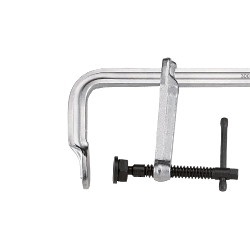
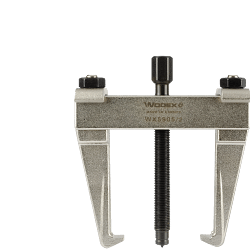
Clamps and vices are clamping tools used to securely hold workpieces in place during machining operations. They are designed to apply a compressive force that keeps materials in position, preventing unwanted movement that could compromise the precision of the work. Clamps generally consist of two parallel arms that are brought together by a screw or lever mechanism, whilst clamping devices may have more complex configurations to suit specific clamping requirements.
What are clamps and vices used for?
The main purpose of clamps and vices is to ensure the stability of workpieces during machining operations. They are essential in operations such as drilling, milling, welding and assembly, where it is vital that components remain stationary in order to achieve precise, high-quality results. Furthermore, these tools are used to hold workpieces in position during cooling or bonding, ensuring that no deformation or displacement occurs.
How are clamps and vices used?
The correct use of clamps and vices is essential to ensure the safety and effectiveness of operations. First of all, it is important to choose the type of clamp or vice best suited to the task at hand, taking into account the size and shape of the workpiece to be secured. Once the tool has been selected, position the workpiece between the arms of the clamp or vice and apply the necessary clamping force using the screw or lever mechanism. It is essential to ensure that the workpiece is securely held in place, but without applying excessive pressure that could damage it.
Advantages of using clamps and vices
The use of clamps and vices offers numerous advantages in mechanical workshops. Firstly, they improve machining precision by keeping workpieces stable and reducing the risk of errors. Furthermore, they enhance operator safety by preventing sudden movements of materials that could cause accidents. Using these tools also allows for greater efficiency, as workpieces can be clamped quickly and easily, reducing set-up times and increasing overall productivity.
Frequently asked questions about clamps and vices
What are the most common types of clamps and vices?
There are several types of clamps and vices, including screw clamps, lever clamps, bar vices, spring vices and toggle vices. Each type is designed for specific applications and offers different levels of clamping force.
How do I choose the right clamp or vice for my job?
Choosing the right clamp or vice depends on the size and shape of the workpiece, as well as the clamping force required. It is also important to consider the material of the workpiece and the type of work to be carried out.
What is the difference between a clamp and a vice?
The main difference between a clamp and a vice lies in their design and clamping mechanism. Clamps are generally simpler and use a screw or lever mechanism, whilst vices may have more complex configurations for specific applications.
Can I use clamps and vices on delicate materials?
Yes, you can use clamps and vices on delicate materials, but it is important to adjust the clamping force to avoid damage. Some clamps are fitted with rubber or plastic pads to prevent scratches or dents.
How do I keep clamps and vices in good condition?
To keep clamps and clamping devices in good condition, it is important to clean them regularly to remove dust and debris. It is also advisable to lubricate moving parts to ensure smooth operation and prevent corrosion.
What are the most common uses for clamps and vices?
Clamps and vices are commonly used in drilling, milling, welding, gluing and assembly operations. They are essential in any situation where it is necessary to keep workpieces stable and secure.
Is it possible to use several clamps or vices at the same time?
Yes, you can use several clamps or vices at the same time to secure large or complex-shaped workpieces. This approach ensures an even distribution of the clamping force.
What are the most common materials used for clamps and vices?
Clamps and vices are generally made from steel, cast iron or aluminium, materials that offer strength and durability. Some models may include plastic or rubber components to protect the workpieces.
How can I improve the lifespan of my clamps and vices?
To improve the lifespan of clamps and vices, it is important to use them correctly, avoiding the application of excessive force. Furthermore, regular maintenance, such as cleaning and lubrication, will help to extend their service life.
What are the latest innovations in clamps and vices?
Recent innovations in clamps and vices include the use of lighter and stronger materials, ergonomic designs for more comfortable use, and more efficient clamping mechanisms that reduce set-up time and improve machining precision.
In conclusion, clamps and vices are indispensable tools in mechanical workshops, offering stability, precision and safety during machining operations. Choosing and using them correctly can make all the difference to the quality of the work carried out, making them an essential investment for any professional in the sector.Read More Read Less