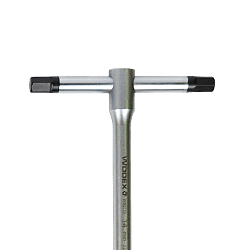
An introduction to tap wrenches: essential tools for engineering workshops
In the world of mechanical workshops, efficiency and precision are fundamental to ensuring the quality of the work carried out. Among the tools that play a crucial role in this context, tap wrenches stand out for their ability to facilitate the threading process. These devices, designed for use with taps, are essential for creating internal threads in various materials, helping to improve productivity and the quality of the final product.
Understanding how tap drivers work
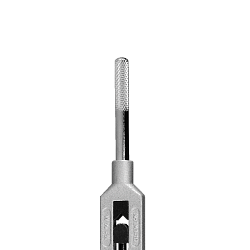
Thread turning tools are mechanical devices used to rotate taps, which are cutting tools designed to create internal threads in holes. Their operation is based on a mechanism that applies a uniform rotational force, ensuring a precise and defect-free thread. Thread turners can be manual or motorised, depending on the specific requirements of the workshop.
Types of tap drivers and their applications
There are various types of tap drivers, each designed for specific applications. Manual tap drivers are ideal for small-scale precision work, whilst motorised ones are better suited to large-scale industrial applications. Furthermore, tap drivers can be classified according to the type of tap they accommodate, such as hand taps, machine taps and roll taps.
Advantages of using tap drivers in mechanical workshops
The use of tap wrenches offers numerous advantages in machine shops. Firstly, they improve threading accuracy, reducing the risk of errors and defects. Furthermore, they speed up the threading process, allowing jobs to be completed more quickly. This translates into greater productivity and lower operating costs. Finally, tap wrenches help to extend the service life of taps, reducing wear and the risk of breakage.
How to choose the right tap wrench for your workshop
Choosing the right tap wrench depends on several factors, including the type of work to be carried out, the material to be threaded and your budget. It is important to consider the tap wrench’s compatibility with the taps being used and its ability to handle the expected workload. Furthermore, it is advisable to opt for high-quality tap wrenches, made from durable materials and fitted with safety mechanisms to prevent accidents.
Maintenance and care of tap wrenches
To ensure the longevity and efficiency of tap wrenches, regular maintenance is essential. This includes cleaning the tools after each use, lubricating moving parts and periodically checking the condition of the components. Furthermore, it is important to follow the manufacturer’s instructions for use and maintenance in order to avoid damage and ensure optimal performance.
Technological innovations in screwdrivers
In recent years, the screwdriver industry has seen significant technological innovations. These include the introduction of motorised screwdrivers with electronic speed and torque control, which offer greater precision and ease of use. Furthermore, new materials and advanced coatings have improved the tools’ wear resistance and service life, making them more efficient and reliable.
Integration of screwdrivers into automated production processes
With the advent of industrial automation, tap cutters are increasingly being integrated into automated production processes. This integration enables workflow optimisation, reducing downtime and improving the quality of the final product. Automated systems can be programmed to perform complex threading operations with precision and repeatability, further increasing production efficiency.
Challenges and solutions in the use of tap drivers
Despite their many advantages, the use of tap drivers can present certain challenges, such as handling materials that are difficult to machine or the need to adapt to specific threading techniques. However, with appropriate staff training and the adoption of advanced technologies, it is possible to overcome these difficulties and fully exploit the potential of tap drivers.
Conclusions: the crucial role of tap wrenches in machine shops
In conclusion, tap wrenches are an indispensable tool for mechanical workshops, helping to improve the precision, efficiency and productivity of threading processes. Choosing the right tap, combined with proper maintenance and the adoption of innovative technologies, can make all the difference to the success of a mechanical workshop.
FAQs on tap wrenches
What are the main types of tap wrenches available on the market?
The main types of tap wrenches include manual, motorised and those specifically designed for hand taps, machine taps and roll taps.
How do you maintain a tap wrench?
Maintaining a tap wrench involves cleaning it, lubricating the moving parts and checking the condition of the components.
What are the advantages of motorised tap wrenches over manual ones?
Motorised tap wrenches offer greater speed, precision and ease of use compared to manual ones, making them ideal for industrial applications.
How do you choose the right tap wrench for a specific application?
Choosing the right tap wrench depends on the type of job, the material to be threaded and compatibility with the taps being used.
What technological innovations have improved tap drivers in recent years?
Innovations include electronic speed and torque control, new materials and advanced coatings for greater durability.
How do tap drivers help improve productivity in machine shops?
Thread cutters improve the precision and speed of threading, reducing machining times and increasing overall productivity.
What are the common challenges when using threading machines and how can they be overcome?
Challenges include machining difficult materials and adapting to specific techniques, which can be overcome through training and advanced technologies.
How do tap drivers integrate into automated production processes?
Tap cutters can be integrated into automated systems to optimise workflow and improve the quality of the final product.
What are the most common materials used in the manufacture of tap drivers?
Tap wrenches are often made from high-strength steel or special alloys to ensure durability and wear resistance.
How can tap drivers affect thread quality?
Thread cutters ensure a uniform rotational force, reducing the risk of errors and defects in the thread, thereby improving overall quality.Read More Read Less