An introduction to cutter blades: essential tools for industry
In the world of engineering workshops, efficiency and precision are paramount. The tools used must live up to expectations, ensuring optimal results at every stage of the production process. Among these tools, slitting cutters play a prominent role. Although these tools may seem simple, they are essential for a wide range of industrial applications. In this article, we will explore in detail what slitting cutters are, what they are used for, how to use them and what benefits they offer.
Features and functions of utility cutters
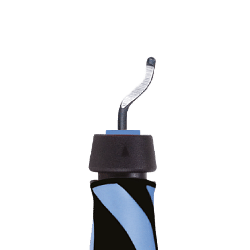
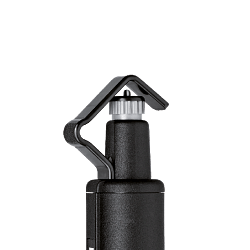
Utility cutters are tools designed to cut materials with precision and ease. They consist of a sharp blade – often interchangeable – mounted on an ergonomic handle that allows for optimal control during use. The blade can be made from various materials, such as stainless steel or tungsten carbide, depending on the specific requirements of the application. The versatility of these tools makes them suitable for cutting a wide range of materials, including paper, cardboard, plastic, fabrics and even thin metals.
Industrial applications of utility knives
In engineering workshops, utility cutters are used in numerous applications. They are essential for cutting materials during the prototyping phase, where precision is crucial to ensure that components fit perfectly. Furthermore, they are used to finish the edges of cut materials, removing any burrs or imperfections. This is particularly important in sectors where the aesthetics and functionality of the final product are of paramount importance.
Advantages of using cutter blades
The use of utility cutters offers numerous advantages. Firstly, their precision enables sharp, clean cuts, minimising material waste. This not only improves production efficiency but also helps to reduce operating costs. Furthermore, the ease of use of these tools reduces the risk of human error, improving the overall quality of the final product. Finally, the ability to easily replace the blades ensures that the tool’s performance remains consistently high, extending its service life.
How to use a utility knife correctly
To achieve the best results, it is important to use box cutters correctly. Before you begin, ensure that the blade is sharp and suitable for the material to be cut. Whilst using the cutter, maintain a firm grip on the handle and apply even pressure to ensure a precise cut. It is essential to follow safety guidelines, such as wearing protective gloves and safety goggles, to prevent accidents. After use, clean and store the cutter in a safe place to keep it in good condition.
Maintenance and care of utility cutters
Regular maintenance of utility cutters is essential to ensure their longevity and efficiency. After each use, it is advisable to clean the blade with a soft cloth to remove any material residue. If the blade is damaged or worn, replace it immediately to avoid inaccurate cuts. In addition, periodically lubricate the moving parts of the cutter to ensure smooth operation. Store the tool in a dry place to prevent rust from forming.
Innovations in utility cutters: advanced technologies
In recent years, the industry has seen the introduction of utility cutters equipped with advanced technologies. Some models now feature self-retracting blades, which automatically retract after cutting to improve operator safety. Others include mechanisms for adjusting the cutting depth, allowing for greater versatility in use. These innovations not only improve safety and efficiency but also expand the range of applications for utility cutters across various industrial sectors.
Choosing the right utility cutter for your needs
Choosing the right utility cutter depends on several factors, including the type of material to be cut, the frequency of use and the specific requirements of the application. It is important to assess the quality of the blade, the comfort of the handle and the safety features offered by the tool. Consult product reviews and, if possible, test different models to determine which utility cutter best meets your operational needs.
FAQs on utility knives
What materials can be cut with a craft knife?
Utility cutters are suitable for cutting a wide range of materials, including paper, cardboard, plastic, fabrics and thin metals.
How do you replace the blade on a utility knife?
To replace the blade, follow the manufacturer’s instructions. Generally, you will need to remove the handle cover, take out the worn blade and insert the new one.
What safety precautions should be taken when using a craft knife?
Wear protective gloves and safety goggles, maintain a firm grip on the handle and apply even pressure whilst cutting.
How do you clean a craft knife after use?
Wipe the blade with a soft cloth to remove any material residue and store the tool in a dry place.
What are the latest innovations in box cutters?
Innovations include self-retracting blades and cutting depth adjustment mechanisms to improve safety and efficiency.
How do you choose the right utility knife?
Assess the quality of the blade, the comfort of the handle and the safety features, taking into account the specific requirements of the application.
What are the benefits of using utility cutters in industry?
They offer precision cutting, reduce material waste and improve production efficiency.
Can a utility knife be used to cut thick metals?
Utility knives are best suited to thin metals; for thick metals, it is advisable to use specialist tools.
How do you lubricate a utility cutter?
Apply a light lubricant to the moving parts to ensure smooth operation and prevent wear and tear.
What are the differences between the various types of blades for utility cutters?
Blades can vary in terms of material, shape and thickness, which affects their suitability for different materials and applications.Read More Read Less