< Hand tools Pliers
An introduction to pliers: essential tools for engineering workshops
Pliers are fundamental tools in the world of mechanical workshops, used for a wide range of applications ranging from gripping and handling materials to removing nails and screws. These tools, whilst simple in design, offer a level of versatility and effectiveness that makes them indispensable for professionals in the sector. In this article, we will explore in detail what pliers are, what they are used for, how to use them and what advantages they offer. We will also answer the most frequently asked questions to provide a comprehensive understanding of these tools.
Features and types of pliers
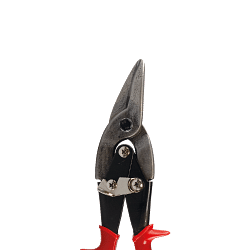
Pliers are hand tools designed to grip, bend, cut or manipulate materials. They consist of two hinged levers ending in jaws, which can take different shapes depending on their specific use. There are several types of pliers, each designed for specific purposes:
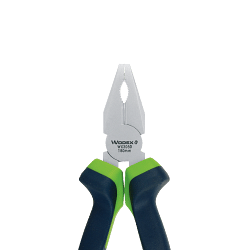
1. Universal pliers: These are the most common and versatile, used for a variety of tasks such as gripping, bending and cutting wire.
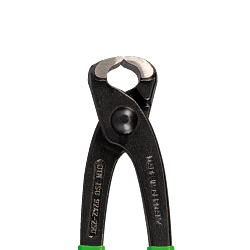
2. Carpenter’s pliers: Designed for removing nails and for carpentry work, they have sturdy, sharp jaws.
3. Long-nose pliers: Ideal for precision work, they allow you to reach into tight spaces thanks to their slender, elongated jaws.
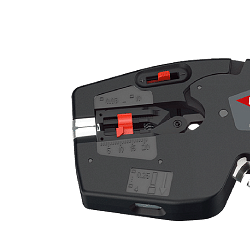
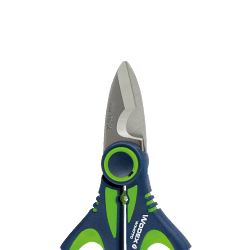
4. Electrician’s pliers: Specifically designed for working with electrical cables, they provide insulation and safety during use.
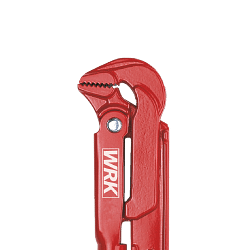
5. Pipe pliers: Used to grip and turn pipes, they have adjustable jaws to accommodate different sizes.
The use of pliers in mechanical workshops
In mechanical workshops, pliers are everyday tools. Their ability to grip and manipulate materials makes them ideal for a range of tasks. For example, universal pliers are often used to bend metal wire or to cut small cables. Carpenter’s pliers are essential for removing nails during structural repairs. Long-nose pliers are particularly useful for precision work, such as handling small mechanical components.
Advantages of using pliers
Using pliers offers numerous advantages in mechanical workshops. Firstly, their versatility allows a wide range of tasks to be carried out with a single tool, reducing the need for multiple pieces of equipment. Furthermore, pliers are designed to provide a secure and stable grip, improving the precision and efficiency of the work. Their robust construction ensures a long service life, even under conditions of intensive use. Finally, electricians’ pliers offer an additional level of safety thanks to their insulation, protecting the operator from potential electric shocks.
Maintenance and care of pliers
To ensure a long service life and optimal performance, it is important to look after the pliers. After each use, it is advisable to clean the jaws to remove any material residue. Applying a light lubricant to the hinges can prevent rust and ensure smooth movement. It is also important to store the pliers in a dry, protected place to prevent accidental damage.
FAQs on pliers
What are the best pliers for a mechanical workshop?
The best pliers for a mechanical workshop depend on specific operational requirements. However, a set comprising universal, carpenter’s and long-nose pliers is generally recommended to cover most applications.
How do you sharpen pliers?
Pliers can be sharpened using a file or a whetstone. It is important to follow the original angle of the jaws to maintain cutting effectiveness.
Can pliers be used to cut electrical cables?
Yes, but it is important to use pliers specifically designed for electricians, which feature insulation to protect the user from electric shocks.
How do you choose the right pliers for a specific job?
Choosing the right pliers depends on the type of material to be handled and the task to be carried out. It is important to consider the shape of the jaws and the length of the tips.
What materials are used to make pliers?
Pliers are generally made from carbon steel or stainless steel to ensure strength and durability. Some models may have rubber coatings to improve grip.
How do you keep pliers in good condition?
To keep pliers in good condition, it is important to clean them regularly, lubricate the hinges and store them in a dry place.
Can pliers be used on hard materials such as steel?
Yes, but it is important to use pliers designed for hard materials to avoid damaging the jaws.
What are the differences between pliers and nippers?
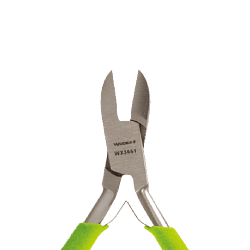
Pliers are generally used for gripping and handling materials, whilst wire cutters are designed for cutting wires and cables.
Can pliers be used for precision work?
Yes, long-nose pliers are ideal for precision work thanks to their ability to reach into tight spaces.
How do you repair damaged pliers?
Damaged pliers can often be repaired by replacing the jaws or hinges. However, in the event of significant damage, it may be necessary to replace the entire tool.Read More Read Less