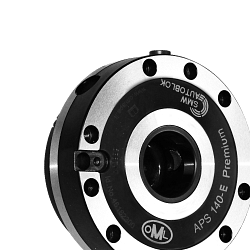
Angle heads for machine tools: an in-depth analysis
In the world of machine shops, efficiency and precision are key elements in guaranteeing the quality of the end product. Angle heads for machine tools represent an innovative and versatile solution for improving the operating capabilities of machine tools. These devices allow complex machining operations to be performed more easily, reducing production times and increasing overall productivity.
What are angle heads for machine tools?
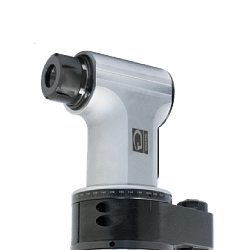
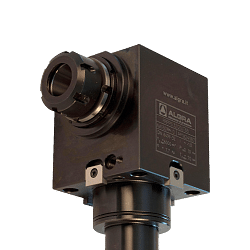
Angle heads are mechanical accessories designed to be mounted on machine tools, such as milling machines and lathes, in order to allow machining on hard-to-access surfaces. These devices allow the cutting tool to be oriented in different directions, offering greater operational flexibility. Angle heads consist of a main body, a gear system and a spindle, which together allow the rotary motion of the tool to be transmitted in a precise and controlled manner.
Use of angle heads in machine shops
The use of angle heads in machine shops is particularly advantageous for machining complex workpieces, where direct access to the tool is difficult. Thanks to their ability to rotate the tool at different angles, angle heads allow milling, drilling and threading operations to be performed on inclined or curved surfaces. This translates into greater versatility for machine tools, which can thus tackle a wider range of machining operations without the need for structural modifications.
Advantages of using angle heads
The adoption of angle heads brings numerous advantages to machine shops. Firstly, they reduce setup times, as they eliminate the need to reposition the workpiece. In addition, they improve machining accuracy by keeping the tool in the optimum position relative to the surface to be machined. This results in reduced scrap and improved quality of the final product.
Another significant advantage is the increase in productivity. Angle heads allow multiple operations to be performed in one setup, reducing downtime and optimising the use of machine tools. In addition, the ability to work on complex surfaces without the need for expensive special tools represents a significant cost saving for workshops.
Frequently asked questions about angle heads
One of the most common questions concerns the compatibility of angle heads with different machine tools. In general, angle heads are designed to be compatible with a wide range of machines, but it is always advisable to check the manufacturer's technical specifications to ensure that the model chosen is suitable for your equipment.
Another frequent question concerns the maintenance of angle heads. These devices require regular maintenance to ensure optimal performance and a long service life. It is important to follow the manufacturer's instructions regarding the lubrication and cleaning of gears, as well as periodically checking the alignment and wear of components.
Innovations and future developments in the angle head field
The angle head sector is constantly evolving, with innovations aimed at further improving the performance and versatility of these devices. Emerging trends include the integration of numerical control systems, which allow precise programming of the operations to be performed, improving automation and reducing manual intervention.
In addition, the development of advanced materials and additive manufacturing technologies is opening up new possibilities for the design of lighter and stronger angle heads that can withstand high workloads without compromising accuracy.
Conclusions
Angle heads for machine tools represent a key element for machine shops wishing to improve the efficiency and quality of their machining operations. Thanks to their ability to adapt to different operational requirements, these devices offer a significant competitive advantage, allowing them to successfully meet the challenges of modern production. As technologies and applications continue to evolve, angle heads will continue to play a crucial role in the future of machining.