< Clamping systems Live centers
Tailstocks for CNC lathes are a key element in precision machining. These tools, although often undervalued, play a crucial role in ensuring stability and precision during turning operations. In this in-depth look, we will explore in detail what CNC lathe tailstocks are, how they are used, the advantages they offer and answer some of the most frequently asked questions that arise in the machine shop sector.
Understanding CNC lathe tailstocks
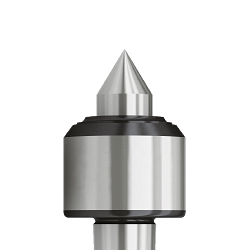
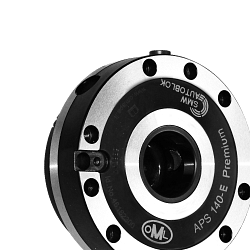
Tailstocks are essential components in CNC lathes, designed to support the workpiece, reducing vibration and improving cutting accuracy. They are positioned at the opposite end of the spindle and work in synergy with it to hold the workpiece in place during machining. Tailstocks can be fixed or rotating, depending on the specific requirements of the machining process.
Operation and use of tailstocks
The operation of tailstocks is relatively simple but extremely effective. During machining, the tailstock is pushed against the workpiece, providing additional support to help maintain stability. This is particularly important when machining long or thin workpieces, which might otherwise bend or vibrate under the pressure of cutting tools.
Rotary tailstocks are equipped with bearings that allow them to rotate with the workpiece, reducing friction and heat generated during machining. This type of tailstock is particularly useful for high-speed machining, where heat and friction can become problematic.
Advantages of tailstocks for CNC lathes
The use of tailstocks in CNC lathes offers numerous advantages. Firstly, they improve machining accuracy, reducing vibration and keeping the workpiece stable. This results in a higher quality surface finish and tighter dimensional tolerances.
In addition, tailstocks help extend the life of cutting tools. By reducing vibration, they reduce tool wear, allowing consistent cutting quality to be maintained for a longer period of time. This not only reduces tool replacement costs, but also improves the overall efficiency of the production process.
Selecting the right tailstock
Selecting the right tailstock depends on several factors, including the type of material to be machined, machining speed and workpiece specifications. It is important to consider the load that the tailstock will have to withstand and choose a model that can effectively handle this load without compromising accuracy.
Tailstocks are available in a variety of materials, including steel, carbide and ceramic. The choice of material depends on the specific requirements of the machining operation. For example, carbide tailstocks are ideal for high-speed machining due to their resistance to wear and heat.
Maintenance and care of tailstocks
To ensure optimum performance and long life, regular maintenance of tailstocks is essential. This includes cleaning after each use to remove swarf and debris, lubricating the bearings in rotary tailstocks, and periodically inspecting them for signs of wear or damage.
Proper maintenance not only prolongs the life of tailstocks, but also ensures that they continue to provide the support and precision needed for high-quality machining.
Frequently asked questions about CNC lathe tailstocks
1. What is the difference between a fixed and a rotating tailstock?
The main difference lies in the movement. Fixed tailstocks do not rotate with the workpiece, while rotating tailstocks have bearings that allow them to rotate with the workpiece, reducing friction and heat.
2. When is it necessary to use a tailstock?
Tailstocks are essential when machining long or thin workpieces that could bend or vibrate. They are also useful for improving the accuracy and surface finish of the workpiece.
3. How do I choose the right tailstock for a specific application?
The choice depends on the workpiece material, the machining speed and the load the tailstock will have to withstand. It is important to select a tailstock that can effectively handle the specific machining conditions.
4. What are the wear signals of a tailstock?
Signs of wear include a reduction in accuracy, increased vibration during machining and visible signs of damage or wear on the tailstock surface.
5. Can a damaged tailstock be repaired?
In some cases, damaged tailstocks can be repaired, but it is often more cost-effective to replace them to ensure optimal performance and safety during machining.
In conclusion, tailstocks for CNC lathes are indispensable tools in machine shops, providing essential support and precision for high-quality machining. Their correct selection, use and maintenance can make the difference between an efficient production process and one that does not meet the required standards. Investing in the right tailstock and taking proper care of it is an essential step for any workshop wishing to excel in precision machining.
Read More Read Less