< Turning tools Knurling wheels and knurling wheel holders
An introduction to grooving tools and tool holders: essential tools for the engineering industry
In the world of machine shops, attention to detail and precision are fundamental to ensuring the quality of finished products. Among the tools that play a crucial role in this context, groovers and groover holders stand out for their ability to improve the finish and appearance of machined surfaces. These tools, although often overlooked, are essential for achieving high-quality results in a variety of industrial applications.
What are knurling tools and knurling holders?
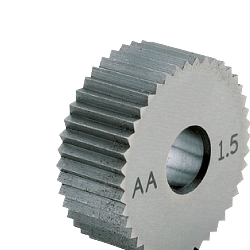
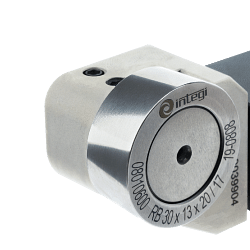
Knurling tools are used to create a knurled surface on metallic materials. This knurling not only improves grip but also enhances the aesthetic appearance of the machined components. Knurling holders, on the other hand, are the mounts that house the knurling tools, allowing them to be fitted to lathes and other machine tools. The combination of these two tools enables precise, high-quality machining.
Practical applications of knurling tools and tool holders
The use of knurling tools and tool holders is widespread across numerous industrial sectors. These tools are particularly valued in the production of components for the automotive, aerospace and hand-tool industries. The knurling produced by knurling tools improves the grip on handles, screws and other components, reducing the risk of slippage and enhancing safety and operational efficiency.
Advantages of using knurling tools and holders
The use of knurling wheels and holders offers numerous advantages. Firstly, knurling improves grip, making components safer and easier to handle. Furthermore, the aesthetic appearance of the finished products is significantly enhanced, giving them a professional, high-quality look. Finally, the use of these tools can reduce processing times, increasing production efficiency and reducing operating costs.
How to use knurling tools and holders correctly
To achieve the best results, it is essential to use knurling tools and holders correctly. Before starting the process, it is important to select the type of knurling tool best suited to the material and the specific application. Next, the knurling tool must be fitted correctly onto the holder, ensuring it is securely fastened and aligned. During machining, it is essential to maintain a constant speed and apply uniform pressure to avoid defects in the knurling.
Maintenance and care of knurling wheels and holders
Regular maintenance of knurling wheels and holders is essential to ensure optimum performance and a long service life. After each use, it is advisable to clean the tools thoroughly to remove any material residue and to lubricate the moving parts to prevent wear. Furthermore, it is important to inspect the knurling wheels periodically for any signs of wear or damage, replacing them if necessary.
Innovations and developments in the range of grooving tools and tool holders
In recent years, the knurling tools and holders sector has seen numerous innovations. Manufacturers are developing new materials and designs to improve the durability and efficiency of these tools. Furthermore, the integration of advanced technologies, such as computer numerical control (CNC), is enabling even more precise and customised knurling, opening up new possibilities for industrial applications.
FAQs on knurling tools and knurling tool holders
What is the main function of knurling tools?
The main function of knurling tools is to create a knurled surface on metallic materials to improve grip and aesthetics.
How do you choose the right knurling tool for a specific application?
The choice of knurling tool depends on the material to be worked and the type of knurling required. It is also important to consider compatibility with the knurling tool holder.
What are the most common materials used for knurling tools?
Knurling tools are generally made from high-strength steel or tungsten carbide to ensure durability and high performance.
How do you fit a knurling insert into a knurling holder?
The knurling insert must be inserted into the knurling holder and secured firmly, ensuring it is correctly aligned to avoid defects in the machining process.
What are the main advantages of knurling?
Knurling improves grip, reduces the risk of slippage and gives machined components an aesthetic finish.
Can knurling tools be used on non-metallic materials?
Although knurling tools are primarily designed for metallic materials, there are specific variants available for plastics and other substrates.
How are knurling tools and tool holders maintained?
Maintenance involves regular cleaning, lubricating moving parts and inspecting them for signs of wear or damage.
What are the latest innovations in the range of knurling tools?
Innovations include new materials, advanced designs and the integration of CNC technology for more precise knurling.
How does machining speed affect the quality of the knurling?
A constant speed and uniform pressure are essential for achieving high-quality, defect-free knurling.
Which industrial sectors benefit most from the use of knurling tools and tool holders?
The automotive, aerospace and hand-tool sectors derive significant benefits from using these tools to improve the quality and safety of components.Read More Read Less