< Workshop equipment Power tools
An introduction to power tools: essential tools for mechanical workshops
Power tools represent a fundamental category of tools for mechanical workshops, offering a combination of power, precision and versatility that is hard to match. These electrically powered tools are designed to facilitate a wide range of operations, from drilling to sanding, and from cutting to polishing. Their importance in an industrial context is undeniable, as they enable complex tasks to be carried out more efficiently and with less physical effort.
The role of power tools in mechanical workshops
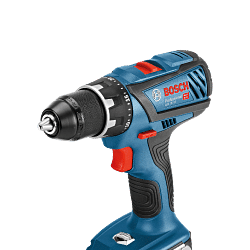
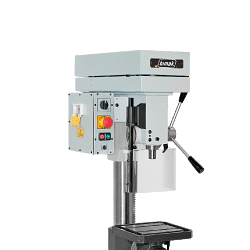
Power tools are designed to improve productivity and precision in mechanical workshops. They enable operations to be carried out that would require much more time and effort if done manually. For example, an electric drill can drill through hard metals in a matter of seconds, whilst an electric sander can ensure a smooth, even finish on metal surfaces. These tools are essential for ensuring that jobs are completed efficiently and to a high standard.
How to use power tools correctly
The correct use of power tools is vital to ensure safety and the effectiveness of the work. Before using any power tool, it is important to read the user manual provided by the manufacturer carefully. Always wear personal protective equipment, such as safety goggles and gloves, to prevent injuries. Ensure that the tool is in good working order and that all moving parts are well lubricated. Whilst using the tool, maintain a firm grip and work in a well-lit area free from obstacles.
The benefits of power tools in mechanical workshops
The use of power tools in mechanical workshops offers numerous advantages. Firstly, they significantly reduce the time needed to complete tasks, thereby increasing overall productivity. Furthermore, power tools ensure greater precision than hand tools, reducing the margin for error and improving the quality of the final product. Their versatility allows them to be used for a wide range of applications, making them indispensable tools for any mechanical workshop.
Frequently asked questions about power tools
What are the main types of power tools used in mechanical workshops?
The main types of power tools used in mechanical workshops include drills, grinders, circular saws, sanders and screwdrivers.
How do you choose the right power tool for a specific application?
To choose the right power tool, it is important to consider the type of material to be worked on, the power required and the tool’s technical specifications.
What safety precautions should be followed when using power tools?
Safety precautions include wearing personal protective equipment, checking the condition of the tool and maintaining correct posture whilst using it.
How do you keep power tools in good condition?
To keep power tools in good condition, it is important to clean them regularly, lubricate moving parts and replace worn parts.
What are the signs that a power tool needs maintenance?
Signs that maintenance is required include unusual noises, excessive vibration and reduced performance.
Can power tools be used on all types of materials?
Power tools can be used on a wide range of materials, but it is important to choose the right tool and accessory for the specific material.
What are the differences between mains-powered and cordless power tools?
Mains-powered power tools offer consistent power, whilst cordless ones offer greater mobility and flexibility.
How can I extend the battery life of cordless power tools?
To extend battery life, it is advisable to charge the battery fully before use and store it in a cool, dry place.
What are the latest innovations in the range of power tools?
Recent innovations include the integration of smart technologies, such as app control and advanced diagnostics.
Are power tools also suitable for precision work?
Yes, many power tools are designed for precision work and offer fine adjustments to ensure accurate results.Read More Read Less