< Workshop equipment Welding fume extractors
An introduction to fume extractors in mechanical workshops
In the context of mechanical workshops, fume management is a matter of paramount importance. Fume extractors are an essential solution for ensuring a safe working environment that complies with current regulations. These devices are designed to effectively remove harmful fumes generated during welding, cutting and other industrial operations. In this article, we will explore in detail what fume extractors are, how they work, their benefits and best practices for their use.
What are fume extractors and how do they work?
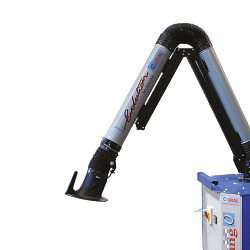
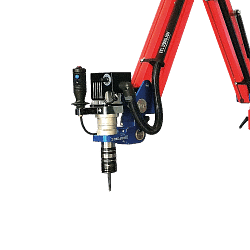
Fume extractors are devices designed to capture and filter fumes and airborne particles generated during various industrial processes. These devices use a ventilation system that draws in contaminated air, filters it through various stages of purification and returns it to the environment in a clean state. The main components of a fume extractor include an extraction arm, a filtration system and an extraction motor.
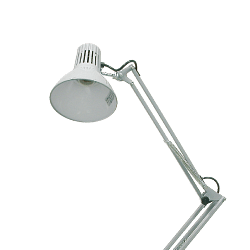
The extraction arm is flexible and can be positioned close to the source of the fumes, ensuring effective particle capture. The filtration system consists of HEPA or activated carbon filters, which remove the finest particles and odours. Finally, the extraction motor generates the airflow required for the system to operate.
Advantages of using fume extractors
The use of fume extractors in mechanical workshops offers numerous advantages. Firstly, they improve air quality, reducing workers’ exposure to harmful substances and helping to prevent long-term health problems. Furthermore, the use of these devices helps to ensure the workplace complies with health and safety and industrial hygiene regulations.
Another significant benefit is increased productivity. A clean and safe working environment reduces sickness absence and boosts staff morale. Furthermore, fume extractors can help extend the service life of equipment by reducing the build-up of dust and particles on machinery.
How to choose the right fume extractor
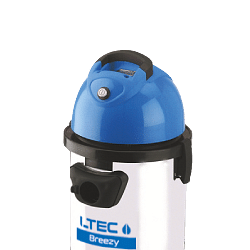
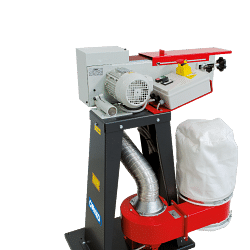
Choosing the fume extractor best suited to the needs of a mechanical workshop depends on several factors. It is important to consider the type of operations carried out, the volume of fumes generated and the space available for installing the unit. Fume extractors are available in various configurations, including portable, fixed and centralised units.
Portable units are ideal for workshops requiring flexibility and mobility, whilst fixed units are better suited to permanent workstations. Centralised systems, on the other hand, are recommended for large facilities with multiple workstations, as they allow fumes to be managed efficiently from a single location.
Maintenance and care of fume extractors
To ensure optimal performance and extend the service life of fume extractors, regular maintenance is essential. Filters must be checked and replaced periodically, in accordance with the manufacturer’s instructions and the intensity of use of the unit. Furthermore, it is important to check that the extraction motor is working correctly and to clean the extraction arm regularly to prevent blockages.
A well-structured maintenance programme not only ensures the system’s efficiency but also helps to reduce long-term operating costs by preventing breakdowns and costly repairs.
Frequently asked questions about fume extractors
What are the main types of filters used in fume extractors?
The main types of filters used are HEPA filters, which capture very fine particles, and activated carbon filters, which absorb odours and volatile organic compounds.
Are fume extractors suitable for all mechanical workshops?
Yes, fume extractors are designed to suit a range of operational requirements and can be used in any mechanical workshop that generates fumes during its operations.
How often should the filters in fume extractors be replaced?
The frequency of filter replacement depends on the intensity of use and the manufacturer’s specifications, but it is generally recommended to check them monthly and replace them when necessary.
Can fume extractors be used to remove fine dust?
Yes, many fume extractors are fitted with HEPA filters, which are effective at capturing fine dust and other airborne particles.
What is the difference between a portable fume extractor and a fixed one?
A portable fume extractor offers greater flexibility and mobility, whilst a fixed fume extractor is better suited to stable, permanent workstations.
Do fume extractors require specific training to use?
Although no specific training is required, it is important that operators are familiar with the operating and maintenance instructions provided by the manufacturer.
Can a fume extractor be used for multiple workstations?
Yes, centralised systems are designed to handle fumes from multiple workstations, offering optimal efficiency in large facilities.
What are the costs associated with installing a fume extraction system?
Costs vary depending on the type of fume extractor chosen, the size of the facility and specific operational requirements. It is advisable to request a detailed quote.
Do fume extraction systems help to improve indoor air quality?
Absolutely. By removing fumes and harmful particles, fume extractors significantly improve indoor air quality, creating a healthier working environment.
What regulations govern the use of fume extractors in mechanical workshops?
Regulations vary from country to country, but generally include safety and occupational health requirements that must be met to ensure a safe working environment.Read More Read Less