Register and use the discount code NEWWELCOME to get 10% off on your first purchase. GET DISCOUNT.
Register and use the discount code NEWWELCOME to get 10% off on your first purchase. GET DISCOUNT.
Register and use the discount code NEWWELCOME to get 10% off on your first purchase. GET DISCOUNT.
Free shipping in 24h from 200€
Catalogues
Customer service
How can we help you?
- Faq
- Customer service
+31(0)85-0471271
- Supporting big orders
02.38298620
-
info@linkindustrialtools.nl
- Request assistance with form
Or contact us with the chat in the lower right corner






Toggle Nav 


< Lifting systems
In the context of mechanical workshops, efficiency and precision are key factors in ensuring quality and productivity. Industrial manipulators represent an advanced technological solution that meets these requirements, providing essential support in handling and assembly processes. These devices are designed to facilitate the lifting, moving and positioning of heavy or bulky loads, minimising human effort and improving workplace safety.
Industrial manipulators are versatile machines used across a wide range of sectors, from automotive production lines to the aerospace industry, and including the food and pharmaceutical sectors. They operate using a system of articulated arms, often fitted with suction cups, grippers or magnets, which enable them to grasp and manoeuvre objects of various shapes and sizes. Thanks to advanced sensors and electronic controls, manipulators can be programmed to perform precise and repetitive movements, ensuring a high level of operational reliability.
The use of industrial manipulators in mechanical workshops offers numerous advantages. Firstly, they help to reduce the risk of workplace accidents by minimising the physical effort required of operators. Furthermore, they improve production efficiency, enabling faster processing times and optimising the use of human resources. The precision of the manipulators ensures consistent quality in finished products, reducing waste and production defects. Finally, their operational flexibility allows them to adapt quickly to new production requirements, making them a strategic investment for companies committed to innovation.
Choosing the most suitable industrial manipulator depends on several factors, including the type of application, the weight and dimensions of the loads to be handled, and the company’s specific production requirements. It is important to assess the manipulator’s load capacity, its reach and the precision of its movements. Furthermore, it is essential to consider the device’s ease of use and maintenance, as well as the availability of technical support and after-sales service. A thorough analysis of the company’s needs and consultation with industry experts can guide the selection of the most suitable manipulator.
Integrating industrial manipulators into production processes requires careful planning and adequate staff training. It is essential that operators are trained in the correct use of the manipulators and the safety procedures to be followed. Furthermore, the implementation of these devices must be coordinated with the company’s other automation systems to ensure a smooth and uninterrupted workflow. The adoption of industrial manipulators can represent a significant step towards the digitalisation and automation of mechanical workshops, helping to improve the competitiveness and sustainability of businesses.
To ensure the optimal operation and longevity of industrial manipulators, it is essential to carry out regular and scheduled maintenance. This includes periodic checks of mechanical and electronic components, the lubrication of moving parts and the updating of control software. Furthermore, it is important to keep abreast of technological innovations in the field of manipulators, in order to assess any upgrades or replacements that could improve performance and operational efficiency. A well-structured maintenance programme helps to reduce machine downtime and ensure a long-term return on investment.
What are the main types of industrial manipulators available on the market?
There are various types of industrial manipulators, including pneumatic, electric and hydraulic models, each with specific features suited to different applications.
How can I determine the load capacity required for an industrial manipulator?
The required load capacity depends on the maximum weight of the objects to be handled and the specific operating conditions, such as the lifting angle and speed of movement.
What are the safety requirements for the use of industrial manipulators?
Industrial manipulators must be used in accordance with current safety regulations, which include the use of personal protective equipment and appropriate training for operators.
Is it possible to customise an industrial manipulator for specific requirements?
Yes, many manufacturers offer customised solutions to adapt industrial manipulators to a company’s specific needs, by modifying components such as grippers, suction cups and control systems.
What are the costs associated with purchasing and maintaining an industrial manipulator?
Costs vary depending on the type of manipulator, its features and maintenance requirements. It is also important to consider the costs of training and technical support.
How does the use of industrial manipulators affect a company’s productivity?
The use of industrial manipulators can significantly increase productivity by reducing processing times and improving the quality of finished products.
What are the future trends in the range of industrial manipulators?
Future trends include the integration of advanced technologies such as artificial intelligence and the Internet of Things, which will further improve the efficiency and flexibility of manipulators.
How can I ensure that industrial manipulators are compatible with existing systems?
It is important to work with experienced suppliers who can assess the compatibility of manipulators with existing systems and provide bespoke integration solutions.
What are the main competitive advantages of using industrial manipulators?
The main benefits include increased productivity, reduced operating costs, improved product quality and greater workplace safety.
How can I assess the effectiveness of an industrial manipulator after installation?
Effectiveness can be assessed by monitoring key performance indicators such as productivity, product quality and the reduction in workplace accidents, comparing them with data from before installation.Read More Read Less
- Home
- Lifting systems
- Industrial Manipulators
Industrial Manipulators
An introduction to industrial manipulators
In the context of mechanical workshops, efficiency and precision are key factors in ensuring quality and productivity. Industrial manipulators represent an advanced technological solution that meets these requirements, providing essential support in handling and assembly processes. These devices are designed to facilitate the lifting, moving and positioning of heavy or bulky loads, minimising human effort and improving workplace safety.
Operation and applications of industrial manipulators
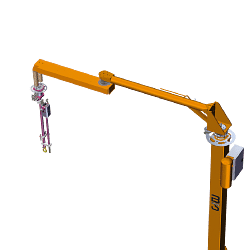
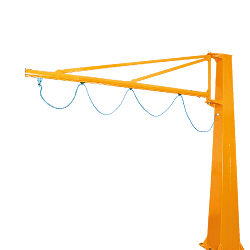
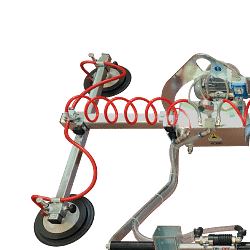
Industrial manipulators are versatile machines used across a wide range of sectors, from automotive production lines to the aerospace industry, and including the food and pharmaceutical sectors. They operate using a system of articulated arms, often fitted with suction cups, grippers or magnets, which enable them to grasp and manoeuvre objects of various shapes and sizes. Thanks to advanced sensors and electronic controls, manipulators can be programmed to perform precise and repetitive movements, ensuring a high level of operational reliability.
Advantages of industrial manipulators in mechanical workshops
The use of industrial manipulators in mechanical workshops offers numerous advantages. Firstly, they help to reduce the risk of workplace accidents by minimising the physical effort required of operators. Furthermore, they improve production efficiency, enabling faster processing times and optimising the use of human resources. The precision of the manipulators ensures consistent quality in finished products, reducing waste and production defects. Finally, their operational flexibility allows them to adapt quickly to new production requirements, making them a strategic investment for companies committed to innovation.
How to choose the right industrial manipulator
Choosing the most suitable industrial manipulator depends on several factors, including the type of application, the weight and dimensions of the loads to be handled, and the company’s specific production requirements. It is important to assess the manipulator’s load capacity, its reach and the precision of its movements. Furthermore, it is essential to consider the device’s ease of use and maintenance, as well as the availability of technical support and after-sales service. A thorough analysis of the company’s needs and consultation with industry experts can guide the selection of the most suitable manipulator.
Integration of industrial manipulators into production processes
Integrating industrial manipulators into production processes requires careful planning and adequate staff training. It is essential that operators are trained in the correct use of the manipulators and the safety procedures to be followed. Furthermore, the implementation of these devices must be coordinated with the company’s other automation systems to ensure a smooth and uninterrupted workflow. The adoption of industrial manipulators can represent a significant step towards the digitalisation and automation of mechanical workshops, helping to improve the competitiveness and sustainability of businesses.
Maintenance and Upgrades of Industrial Manipulators
To ensure the optimal operation and longevity of industrial manipulators, it is essential to carry out regular and scheduled maintenance. This includes periodic checks of mechanical and electronic components, the lubrication of moving parts and the updating of control software. Furthermore, it is important to keep abreast of technological innovations in the field of manipulators, in order to assess any upgrades or replacements that could improve performance and operational efficiency. A well-structured maintenance programme helps to reduce machine downtime and ensure a long-term return on investment.
FAQs on industrial manipulators
What are the main types of industrial manipulators available on the market?
There are various types of industrial manipulators, including pneumatic, electric and hydraulic models, each with specific features suited to different applications.
How can I determine the load capacity required for an industrial manipulator?
The required load capacity depends on the maximum weight of the objects to be handled and the specific operating conditions, such as the lifting angle and speed of movement.
What are the safety requirements for the use of industrial manipulators?
Industrial manipulators must be used in accordance with current safety regulations, which include the use of personal protective equipment and appropriate training for operators.
Is it possible to customise an industrial manipulator for specific requirements?
Yes, many manufacturers offer customised solutions to adapt industrial manipulators to a company’s specific needs, by modifying components such as grippers, suction cups and control systems.
What are the costs associated with purchasing and maintaining an industrial manipulator?
Costs vary depending on the type of manipulator, its features and maintenance requirements. It is also important to consider the costs of training and technical support.
How does the use of industrial manipulators affect a company’s productivity?
The use of industrial manipulators can significantly increase productivity by reducing processing times and improving the quality of finished products.
What are the future trends in the range of industrial manipulators?
Future trends include the integration of advanced technologies such as artificial intelligence and the Internet of Things, which will further improve the efficiency and flexibility of manipulators.
How can I ensure that industrial manipulators are compatible with existing systems?
It is important to work with experienced suppliers who can assess the compatibility of manipulators with existing systems and provide bespoke integration solutions.
What are the main competitive advantages of using industrial manipulators?
The main benefits include increased productivity, reduced operating costs, improved product quality and greater workplace safety.
How can I assess the effectiveness of an industrial manipulator after installation?
Effectiveness can be assessed by monitoring key performance indicators such as productivity, product quality and the reduction in workplace accidents, comparing them with data from before installation.