An introduction to pneumatic chain hoists
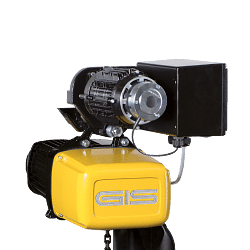
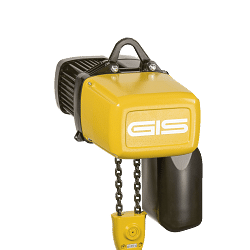
Pneumatic chain hoists represent an advanced and versatile solution for lifting and handling heavy loads in engineering workshops and across various industrial sectors. These compressed-air-powered devices offer a unique combination of power, precision and safety, making them ideal for applications requiring precise control and continuous operation. In this article, we will explore in detail what pneumatic chain hoists are, how they work, their advantages and main applications, as well as answering the most frequently asked questions about these essential tools.
What are pneumatic chain hoists?
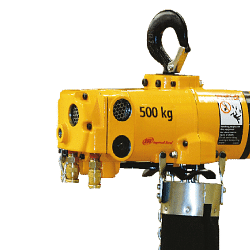
Pneumatic chain hoists are lifting devices that use compressed air as a power source to lift and lower heavy loads. Unlike electric hoists, which use electric motors, pneumatic hoists utilise air pressure to drive a pneumatic motor which, in turn, moves a chain connected to the load. This technology offers numerous advantages, including greater safety in potentially explosive environments, a longer service life and reduced maintenance.
How do pneumatic chain hoists work?
The operation of pneumatic chain hoists is based on a compressed air system that powers a pneumatic motor. The compressed air is supplied by a compressor and channelled to the hoist via pipework. Once the air reaches the pneumatic motor, it is converted into mechanical energy, which drives the lifting mechanism. The chain, connected to the motor, moves in response to the operator’s commands, allowing the load to be raised or lowered with precision. Controls can be manual or via a remote control, depending on the model and operational requirements.
Advantages of pneumatic chain hoists
Pneumatic chain hoists offer numerous advantages over other types of hoists. First and foremost, their ability to operate in hazardous environments is a major advantage. As they do not use electricity, there is no risk of sparks, making them ideal for potentially explosive atmospheres. Furthermore, pneumatic hoists are renowned for their durability and reliability, thanks to the reduced wear and tear on internal components. Maintenance is generally simpler and less frequent than with electric hoists. Finally, their precise lifting control and the ability to operate continuously without overheating make them indispensable tools in many industrial applications.
Main applications of pneumatic chain hoists
Pneumatic chain hoists are used across a wide range of industrial sectors. In engineering workshops, they are used to lift engines, heavy components and equipment, facilitating maintenance and assembly operations. In the petrochemical industry, they are used for handling materials in potentially explosive atmospheres. In the mining sector, too, pneumatic hoists are favoured for their ability to operate in harsh conditions and for their resistance to wear and tear. Other applications include the shipbuilding, aerospace and metal manufacturing industries, where precision and safety are paramount.
Safe and efficient use of pneumatic chain hoists
To ensure the safe and efficient use of pneumatic chain hoists, it is essential to follow certain operational guidelines. First and foremost, it is important to ensure that the hoist is suitably rated for the load to be lifted and that it is installed correctly. Operators must be trained in the safe use of the hoist and must wear appropriate personal protective equipment. It is also vital to carry out regular inspections and preventive maintenance to ensure the hoist is functioning correctly and to prevent sudden breakdowns. Finally, it is advisable to use original accessories and components to maintain the integrity of the system.
Frequently asked questions about pneumatic chain hoists
What is the difference between a pneumatic hoist and an electric hoist?
The main difference lies in the power source: pneumatic hoists use compressed air, whilst electric hoists use electricity. Pneumatic hoists are preferred in potentially explosive atmospheres.
What are the advantages of pneumatic hoists in hazardous environments?
Pneumatic hoists do not produce sparks, making them safe for use in potentially explosive atmospheres, such as petrochemical and mining environments.
How do you maintain a pneumatic chain hoist?
Maintenance includes regular checks of the air pipework, lubrication of moving parts and inspection of the chain for wear or damage.
What is the typical lifting capacity of a pneumatic chain hoist?
Capacity varies depending on the model, but pneumatic hoists can lift loads ranging from a few hundred kilograms to several tonnes.
Can pneumatic chain hoists be used outdoors?
Yes, they can be used outdoors, but it is important to protect them from extreme weather conditions and ensure that the compressed air is free from moisture.
What are the safety regulations for the use of pneumatic hoists?
Regulations vary by country, but generally include requirements for the safe installation, use and maintenance of hoists.
Can a pneumatic hoist be controlled remotely?
Yes, many models are fitted with remote controls that allow for remote operation, improving safety and operational convenience.
What are the main components of a pneumatic chain hoist?
The main components include the pneumatic motor, the lifting chain, the load hook, the control system and the compressed air pipework.
How do you choose the right pneumatic hoist for a specific application?
The choice depends on the required lifting capacity, the operating environment and specific control and safety requirements.
What are the alternatives to pneumatic chain hoists?
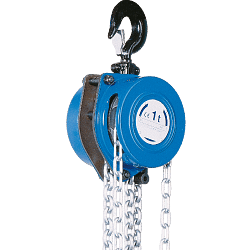
Alternatives include electric and manual hoists, each with its own advantages and limitations depending on the specific application.Read More Read Less