An introduction to lifting accessories
In the world of mechanical workshops, efficiency and safety are two fundamental pillars for ensuring successful operations. Lifting accessories play a crucial role in this context, offering versatile and reliable solutions for handling heavy loads. These tools not only improve productivity but also reduce the risk of accidents, protecting both operators and equipment. In this article, we will explore in detail what lifting accessories are, what they are used for, how they are used and what benefits they offer.
Definition and types of lifting accessories
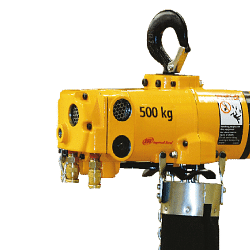
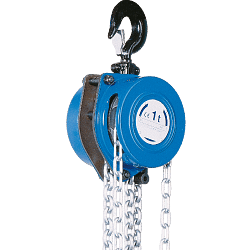
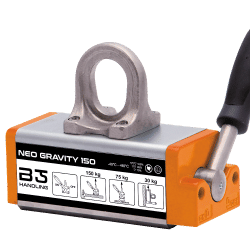
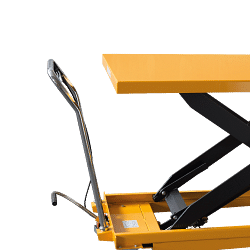
Lifting accessories are devices designed to facilitate the lifting and handling of heavy loads. They include a wide range of tools, such as hooks, chains, ropes, slings and clamps. Each type of accessory is designed for specific applications and loads, ensuring that every lifting operation is carried out safely and efficiently.
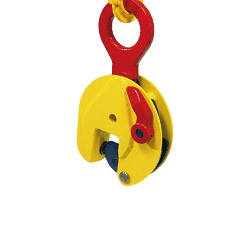
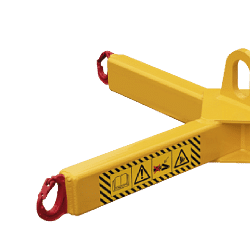
Lifting hooks, for example, are used to attach the load to the lifting device, whilst chains and ropes provide the strength required to support the weight of the load. Lifting beams distribute the load’s weight evenly, reducing the stress on individual lifting points, and clamps are ideal for gripping irregularly shaped objects securely.
Practical applications of lifting accessories
Lifting accessories are used across a wide range of industrial sectors, from construction to logistics and manufacturing. In engineering workshops, these tools are essential for lifting heavy components, machinery and equipment, facilitating their movement and positioning.
For example, when assembling complex machinery, lifting accessories enable heavy components to be lifted and positioned with precision, reducing the time and effort required to complete the task. Furthermore, they are vital for the maintenance and repair of equipment, allowing operators to easily access hard-to-reach parts.
Advantages of using lifting accessories
The use of lifting accessories in industrial operations offers numerous benefits. Firstly, they improve workplace safety by reducing the risk of accidents associated with the manual lifting of heavy loads. Furthermore, they increase operational efficiency, enabling lifting operations to be completed more quickly and with less physical effort.
Another significant advantage is the versatility of lifting accessories. They can be used in a variety of applications and environments, adapting easily to different lifting requirements. This flexibility makes them an ideal choice for engineering workshops, where lifting requirements can vary considerably from one project to another.
How to choose the right lifting accessories
Choosing the right lifting accessories is essential to ensure safe and efficient operations. When selecting these tools, it is important to consider several factors, including the type of load to be lifted, the weight of the load, the working environment and specific operational requirements.
For example, for particularly heavy loads, it is essential to choose accessories with an adequate load capacity, whilst for corrosive environments, it is preferable to opt for corrosion-resistant materials. Furthermore, it is important to ensure that the accessories are compatible with existing lifting equipment, to avoid compatibility issues and ensure smooth operation.
Maintenance and safety of lifting accessories
Regular maintenance of lifting accessories is essential to ensure their longevity and safety. Accessories must be inspected periodically for any signs of wear or damage, and must be replaced immediately if any problems are found.
Furthermore, it is important to follow the manufacturer’s guidelines for the use and maintenance of the accessories, and to ensure that all operators are properly trained in the safe use of these tools. Adopting strict safety practices not only protects operators but also helps to prevent damage to equipment and loads.
Innovations in the range of lifting accessories
The lifting accessories sector is constantly evolving, with new technologies and materials continually improving the performance and safety of these tools. For example, the use of lightweight yet strong composite materials is becoming increasingly common, reducing the weight of the accessories without compromising their load-bearing capacity.
Furthermore, the integration of digital technologies, such as load sensors and remote monitoring systems, is revolutionising the way lifting accessories are used and managed. These innovations not only improve safety and efficiency but also offer new opportunities to optimise lifting operations.
Conclusions on lifting accessories
Lifting accessories are indispensable tools for engineering workshops and other industrial sectors, offering safe and efficient solutions for handling heavy loads. Their versatility, combined with continuous technological advances, makes them an ideal choice for improving productivity and safety in the workplace.
Investing in high-quality lifting accessories and ensuring regular maintenance are key steps to maximising the benefits of these tools. With the right selection and management, lifting accessories can transform industrial operations, making them safer, more efficient and more profitable.
FAQs on lifting accessories
What are the main types of lifting accessories?
The main types of lifting accessories include hooks, chains, ropes, slings and clamps.
How is the load capacity of a lifting accessory determined?
The load capacity is specified by the manufacturer and must be clearly marked on the accessory itself.
What materials are used for lifting accessories?
Lifting accessories are made from materials such as steel, metal alloys and composite materials.
How is safety ensured when using lifting accessories?
Safety is ensured through correct selection, maintenance and operator training.
What are the signs of wear and tear in lifting accessories?
Signs of wear include deformation, cracks, corrosion and excessive wear.
How is maintenance carried out on lifting accessories?
Maintenance involves regular inspections, cleaning and the replacement of damaged components.
What are the recent innovations in lifting accessories?
Recent innovations include the use of composite materials and the integration of digital technologies.
How do you choose the right lifting accessories for a specific application?
The choice is based on factors such as the type of load, weight, working environment and operational requirements.
What are the benefits of using lifting accessories?
The benefits include greater safety, operational efficiency and versatility.
How are digital technologies integrated into lifting accessories?
Digital technologies are integrated via load sensors and remote monitoring systems.Read More Read Less