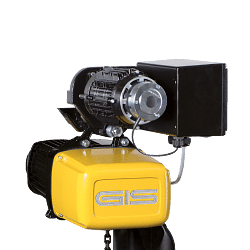
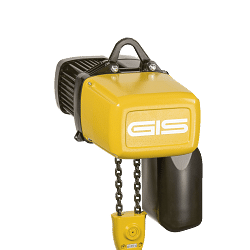
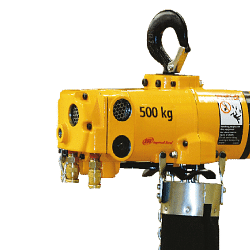
An introduction to transfer trolleys: an essential component in mechanical workshops
Transfer trolleys are a fundamental component in the mechanical workshop sector, offering efficient solutions for the transport and handling of heavy loads. These devices are designed to facilitate the movement of materials and equipment within a workplace, improving operational efficiency and reducing the risk of accidents. In this article, we will explore in detail what transfer trolleys are, how they work, their advantages and their practical applications in mechanical workshops.
What are transfer trolleys and how do they work?
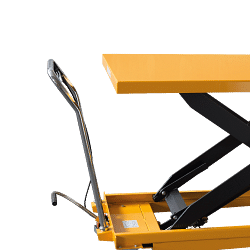
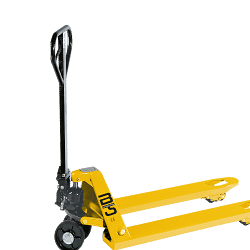
Transfer trolleys are mechanical devices used to move heavy loads along a predefined route. They consist of a sturdy frame, wheels or rollers, and a guidance system that allows for the controlled movement of the load. These trolleys can be manual or motorised, depending on the specific requirements of the application. In motorised models, an electric or hydraulic motor provides the power required for movement, whilst in manual models, the operator uses physical force to move the load.
Practical applications of transfer trolleys in mechanical workshops
In mechanical workshops, transfer trolleys are used for a variety of applications, including the transport of heavy components, equipment and machining materials. These devices are particularly useful in environments where space is limited and the manual handling of loads would be inefficient or dangerous. Transfer trolleys can be used to move machinery between different workstations, facilitating the workflow and reducing downtime.
Advantages of using transfer trolleys
The use of transfer trolleys in mechanical workshops offers numerous benefits. Firstly, they improve operational efficiency by enabling the rapid and safe transport of heavy loads. Furthermore, they reduce the risk of workplace accidents, as they minimise the need for manual lifting and handling of bulky loads. Transfer trolleys also help to optimise the use of space, allowing for a more flexible arrangement of equipment and materials within the workshop.
How to choose the right transfer trolley for your workshop
Choosing the most suitable transfer trolley depends on several factors, including the type of load to be transported, the frequency of use and the specific features of the working environment. It is important to consider the trolley’s load capacity, manoeuvrability and overall dimensions. Furthermore, it is essential to assess whether a manual or motorised model is best suited to the workshop’s operational needs. A thorough analysis of these factors will ensure an informed and optimal choice.
Maintenance and safety of transfer trolleys
Regular maintenance of transport trolleys is vital to ensure their safe and efficient operation. It is important to carry out periodic checks to verify structural integrity, the correct functioning of the wheels and steering systems, as well as the condition of the motors in motorised models. Furthermore, it is essential to provide staff with adequate training on the safe use of transfer trolleys, promoting safe working practices and reducing the risk of accidents.
Technological innovations in transfer trolleys
In recent years, transfer trolleys have benefited from significant technological innovations. The integration of advanced control systems, such as motion sensors and automatic guidance systems, has improved the precision and safety of load transport. Furthermore, the use of lightweight yet durable materials has reduced the overall weight of the trolleys, improving their energy efficiency and ease of use.
FAQs on reach trucks
What is the typical load capacity of a reach truck?
The load capacity varies depending on the model, but generally ranges from a few hundred kilograms to several tonnes.
Can reach trucks be used outdoors?
Yes, there are models designed for outdoor use, but it is important to ensure they are suitable for the specific environmental conditions.
What are the main materials used to build transfer trolleys?
Translational trolleys are often made from steel or aluminium, materials that offer a good balance between strength and lightness.
Can a transfer trolley be customised?
Yes, many manufacturers offer customisation options to tailor the trolleys to the user’s specific needs.
What are the safety regulations for the use of transfer trolleys?
Regulations vary from country to country, but generally include requirements for operator training and regular maintenance of the equipment.
How do you maintain a transfer trolley?
Maintenance includes lubricating moving parts, checking the wheels and steering systems, and verifying the structural integrity.
What are the advantages of motorised trolleys compared to manual ones?
Motorised trolleys are easier to use and can carry heavier loads with less physical effort on the part of the operator.
Are transfer trolleys compatible with other material handling systems?
Yes, they can be integrated with other material handling systems, such as cranes and conveyor belts, to optimise workflow.
What is the average lifespan of a transfer trolley?
Lifespan depends on usage and maintenance, but generally a well-maintained trolley can last for several years.
Is it possible to hire a transfer trolley?
Yes, many companies offer hire services for transfer trolleys, which are ideal for temporary needs or specific projects.Read More Read Less